We all want a safe and secure home, a place of comfort and refuge. But sometimes, the biggest threats aren’t the dramatic ones we imagine. They’re the small, everyday oversights, the habits we barely think about. These seemingly minor details can create real risks, often accumulating silently until a problem arises. This article explores these hidden dangers and provides simple, actionable solutions to make your home a truly safe haven. We’ll examine overlooked risks and provide system-level improvements for a safer, more efficient living space. Let’s delve into a practical approach to fortifying your home against common threats.
The Everyday Routine: A Starting Point
Consider your typical daily routine. You wake up, maybe make coffee, and head out the door. Perhaps you lock up, or maybe you don’t. At the end of the day, you return, tired and ready to relax. In these simple actions, there are countless opportunities for safety lapses. It’s not about being paranoid; it’s about being aware. It’s about building a system of habits that protects you, your loved ones, and your belongings without requiring constant vigilance.
The Hidden Risks: What You Might Be Overlooking
Several common household habits often conceal significant risks. Here are a few examples:
- Leaving Doors Unlocked: It sounds basic, but how often do you truly check all doors before leaving or going to bed? A moment’s distraction can lead to a significant security breach.
- Overlooking Windows: Windows are a common entry point for burglars. Unlocked or easily accessible windows on the ground floor or even higher can provide an easy way in.
- Cluttered Pathways: A cluttered home isn’t just unsightly; it’s a trip hazard. This is especially dangerous for children and the elderly.
- Ignoring Smoke Detectors: Are your smoke detectors working? Do you test them regularly? Non-functioning or missing smoke detectors are a major fire safety hazard.
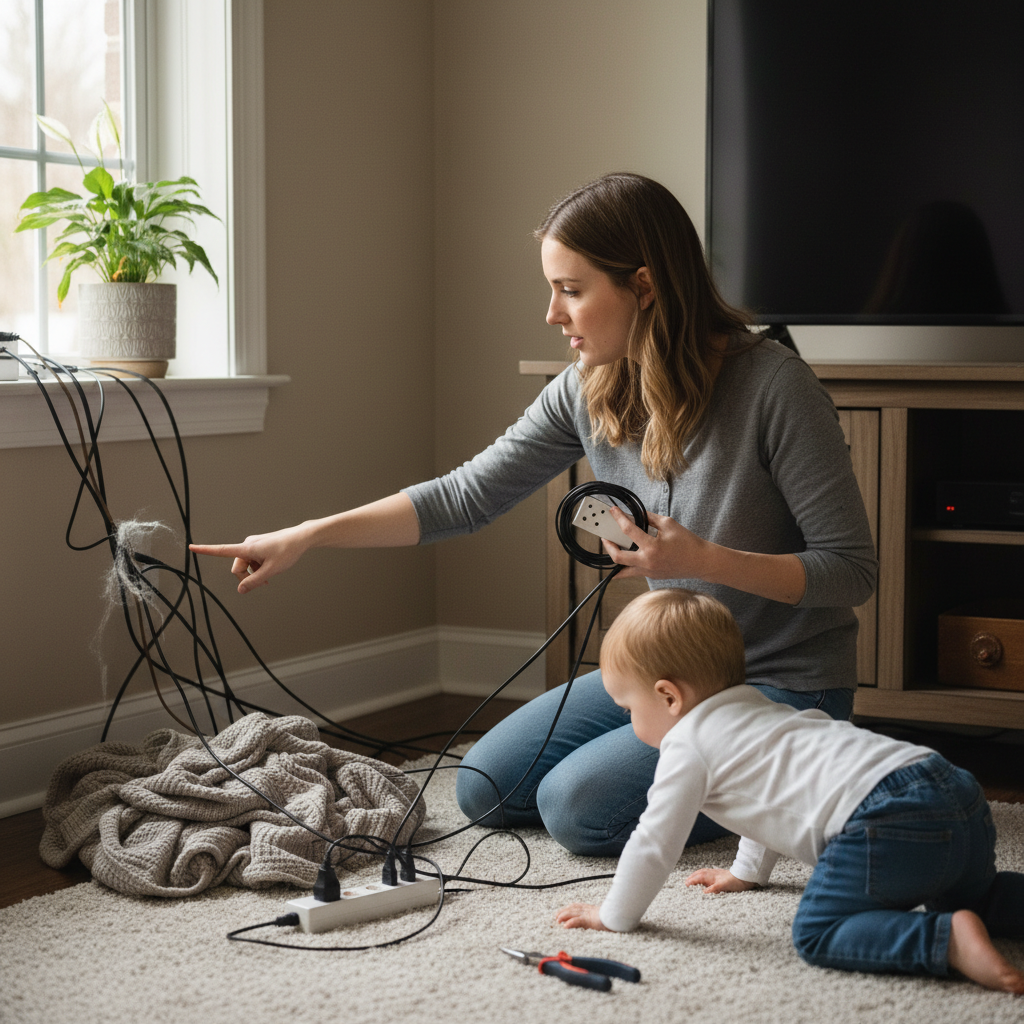
- Neglecting Appliance Safety: Overloaded outlets, frayed cords, and poorly maintained appliances can all lead to electrical fires or other issues.
The Domino Effect: How Inefficiencies Add Up
These seemingly minor oversights can create a dangerous domino effect. An unlocked door might seem harmless until a break-in occurs. A neglected smoke detector can turn a small kitchen fire into a deadly situation. A cluttered pathway can lead to a serious fall. These inefficiencies can also drain your time and energy through stress and the need to constantly react to potential hazards.
Unsafe Habits: The Mistakes We Make
Certain habits make our homes less safe. Here are some of the most common:
- Hiding Spare Keys: The classic hiding spot under the doormat is well-known to potential intruders. Consider smart locks instead.
- Not Testing Smoke Detectors: It’s easy to forget, but monthly testing is crucial. Change the batteries at least once a year.
- Leaving Home Dark: Dark homes are an invitation for break-ins. Consider using smart lighting to simulate occupancy.
- Ignoring Fire Hazards in the Kitchen: Unattended cooking is a leading cause of home fires. Keep flammable items away from the stove.
- Neglecting Electrical Safety: Overloading outlets and using damaged cords are major risks.
System-Level Improvements: Simple Solutions for a Safer Home
The goal isn’t to become overwhelmed. It’s about building a system of habits that works for you. Here’s how to make those improvements:
- Smart Locks and Security Systems: Consider installing smart locks to avoid the need for spare keys, and explore home security systems for added protection. Some of the best-rated systems include ADT, Vivint, and SimpliSafe.
- Regular Maintenance: Schedule regular maintenance checks for your heating system, appliances, and electrical system.
- Home Automation: Smart home technology allows for remote monitoring and control of your home’s security, lighting, and other systems. You can control your lights, locks, and even your garage door from your smartphone. Some systems allow you to program your lights to turn on at certain times and turn them off from anywhere. Consider exploring the benefits of smart lighting for added security and convenience.
- Fire Safety Planning: Have a fire escape plan with multiple exit routes, and practice it regularly with your family. Ensure you have working smoke detectors and fire extinguishers.
- Clear Pathways and Reduced Clutter: Make it a habit to put things away and keep pathways clear.
- Secure Valuables: Keep valuable items out of sight and consider storing them in a safe.
- Upgrade Lighting: Improve visibility around your home, both inside and out. Motion-detecting lights can deter intruders.
- Window Security: Ensure windows are locked and consider security film or reinforced glass for added protection.
Modern Lifestyle Relevance: Protecting Your Family
In today’s fast-paced world, safety is a crucial consideration. A safe home ensures peace of mind, allowing you to focus on the things that matter. It provides a sanctuary from the stress and worries of everyday life. With smart home technology and a few simple adjustments to your routine, you can make your home a fortress against common dangers.
Long-Term Peace and Convenience: Benefits of a Secure Home
Investing in your home’s safety yields long-term benefits:
- Reduced Risk: A safer home minimizes the chances of accidents, burglaries, and fire-related emergencies.
- Lower Insurance Premiums: Some insurance companies offer discounts for homes with security systems or other safety features.
- Increased Property Value: Safety upgrades can enhance your home’s value, making it a more attractive investment.
- Improved Peace of Mind: Knowing your home is secure provides a sense of calm and allows you to relax and enjoy your space fully.
- Enhanced Quality of Life: By proactively addressing safety concerns, you create a more comfortable, convenient, and enjoyable living environment.
FAQ: Frequently Asked Questions
- How often should I test my smoke detectors? Test your smoke detectors monthly by pressing the test button. Change the batteries at least once a year.
- What are the best types of locks for my home? Consider installing deadbolt locks on exterior doors. Smart locks are also a good option, as they eliminate the need for physical keys.
- How can I make my home look occupied when I’m away? Utilize smart lighting and smart home devices. You can set timers for lights to turn on and off automatically, or control them remotely via an app.
- What should I do in case of a fire? If a fire occurs, GET OUT, STAY OUT, and CALL FOR HELP. Have a fire escape plan with multiple exit routes, and practice it regularly.
- How can I prevent falls in my home? Keep pathways clear, use non-slip mats in bathrooms, and install handrails on stairs. Ensure that stairs are well-lit.
- Are smart home security systems worth the investment? Smart home security systems offer significant benefits, including remote monitoring, alerts, and the ability to control various home systems. They can also act as deterrents.
- What are some common mistakes to avoid? Some common mistakes include leaving doors unlocked, hiding spare keys in obvious places, neglecting smoke detector maintenance, and ignoring potential fire hazards in the kitchen.
- Where can I find additional resources for home safety? The American Red Cross (redcross.org) and your local fire department are excellent sources of information.
Taking a proactive approach to home safety is a continuous process. By regularly assessing your home, adopting safe habits, and investing in simple improvements, you can create a secure and comfortable living environment. The small changes you make today can lead to significant peace of mind and contribute to a healthier, safer, and more efficient lifestyle for years to come. For more ways to enhance your home, visit Josephs Well.