It was a typical Saturday morning. I was in the kitchen, making my usual chai. The toaster oven was humming, the fridge was doing its thing, and I was mentally calculating my grocery list. Then, the electricity bill arrived. It was higher than usual, and I started the familiar detective work of figuring out why. I wasn’t running the AC as much. We weren’t using the electric heater. What was going on?
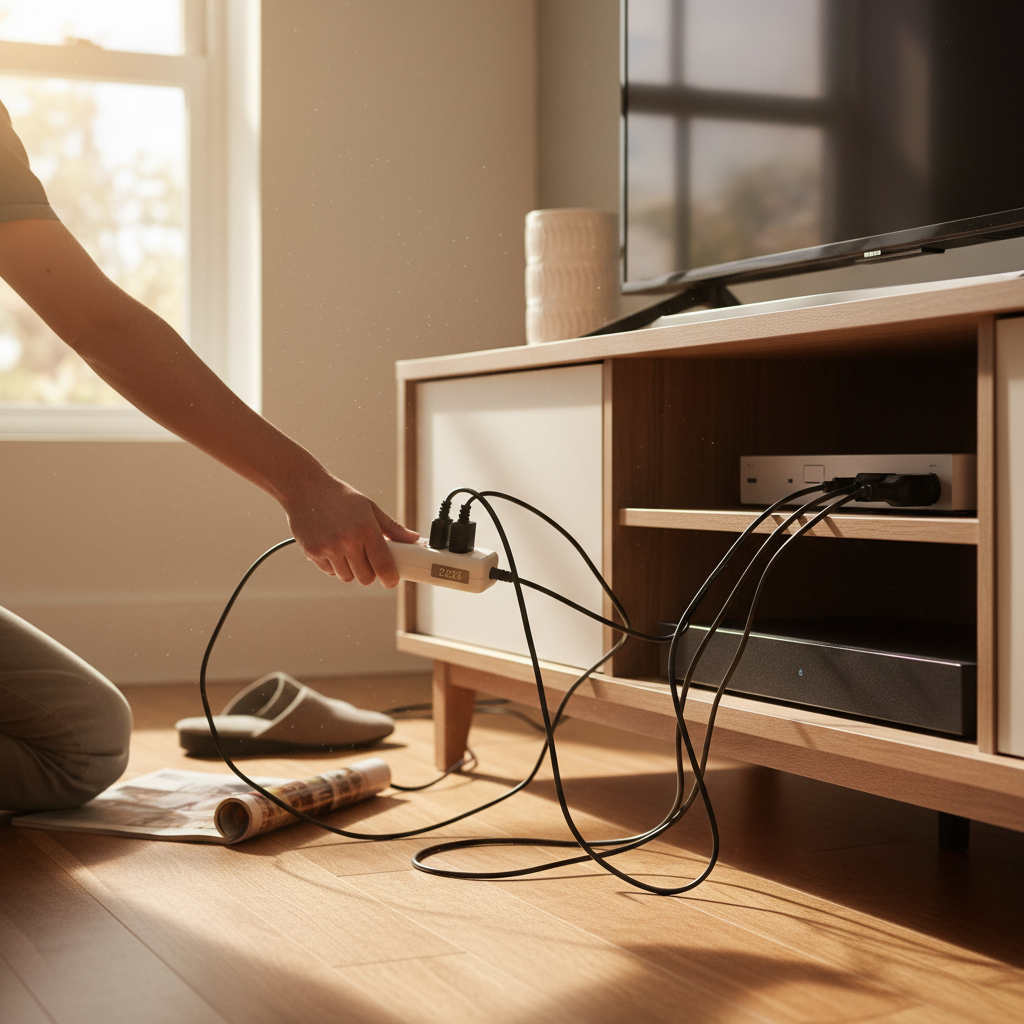
This led me down a path of discovery that many homeowners eventually find themselves on: the world of “phantom loads,” also known as vampire power. These are the sneaky energy consumers that suck up electricity even when they’re “off.” Over the years, I’ve learned a lot about these hidden energy drains – how they operate, how much they cost, and, most importantly, how to get them under control. This guide shares that hard-won knowledge, focusing on what’s relevant and achievable right now in 2026.
What Are Phantom Loads and Why Should You Care?
Think about all the devices plugged into outlets around your home. Your TV, your computer, the microwave, the charger for your phone – the list goes on. Many of these devices continue to draw power even when they’re not actively in use. This is phantom load. They’re essentially “on standby,” waiting for your command. This constant draw of electricity, even in small amounts, adds up over time and significantly impacts your monthly energy bill. It’s like having a tiny, invisible gremlin constantly nibbling away at your wallet.
Why should you care? Well, apart from the financial aspect, reducing phantom loads is a simple yet effective way to be more environmentally conscious. It decreases your carbon footprint by minimizing overall energy consumption. Plus, understanding and managing these hidden drains can offer a sense of control in a world where energy costs seem perpetually on the rise.
The Usual Suspects: Identifying the Energy Vampires in Your Home
Let’s take a tour of the usual suspects. These are the appliances and devices most likely contributing to phantom load in your home:
- Televisions and Entertainment Systems: Modern TVs, cable boxes, and gaming consoles are notorious energy hogs, even when “off.” They’re always waiting for your remote control signal or software updates.
- Computers and Peripherals: Desktop computers, laptops, printers, and external hard drives all contribute. Laptops are often plugged in even when fully charged, continuing to draw a small amount of power.
- Kitchen Appliances: Microwaves, coffee makers, and even some newer refrigerators can consume energy on standby. That digital clock on your microwave? It’s using power.
- Smart Home Devices: Smart speakers, smart displays, and other connected devices are constantly listening and processing information. This requires a constant power supply.
- Chargers: Phone chargers, laptop chargers, and other device chargers continue to draw power even when the device is fully charged or not connected.
- Modems and Routers: These are essential for internet access and are always on, consuming power 24/7.
- Other Electronic Devices: Anything with a remote control, digital display, or that can be turned on instantly is a likely culprit (e.g., soundbars, DVD players, etc.).
The amount of power each device consumes varies. Older devices tend to be less energy-efficient than newer models. However, even the most efficient appliances can contribute to phantom loads if left plugged in.
The Misconceptions and the Truth About Phantom Loads
There are several misconceptions surrounding phantom loads. Let’s clear them up:
- Misconception: Phantom loads are negligible, and the energy consumption is too small to matter.
- Truth: While the power draw of a single device might be small, the cumulative effect of multiple devices over time is significant. It can easily add up to hundreds of dollars per year.
- Misconception: Unplugging devices frequently is a hassle, and the effort isn’t worth the savings.
- Truth: There are easy, modern solutions (see below) to make this process less tedious. Even a small reduction in energy use can be beneficial.
- Misconception: “Energy-efficient” appliances don’t contribute to phantom loads.
- Truth: While energy-efficient appliances consume less power overall, they can still draw power when in standby mode.
Common Problems Arising from Unchecked Phantom Loads
Ignoring phantom loads can lead to several problems, both short-term and long-term:
- Increased Electricity Bills: The most obvious consequence is higher monthly energy costs, gradually eating away at your budget.
- Accelerated Appliance Wear and Tear: Constantly plugged-in devices may experience a slightly shortened lifespan due to continuous power surges, especially during thunderstorms or power fluctuations.
- Environmental Impact: Increased energy consumption contributes to a larger carbon footprint, impacting the environment.
- Fire Hazard: Although rare, in extreme cases, older or faulty devices left plugged in can pose a fire hazard.
- Missed Savings Opportunities: Leaving phantom loads unchecked means missing out on easy, cost-effective ways to save money.
Smart Usage and Maintenance Habits: Taming the Energy Vampires
Here are practical steps to identify and reduce phantom loads in your home, based on what works in 2026:
- Invest in a Power Meter: A power meter (also called a “kill-a-watt” meter) is a simple device that plugs into an outlet. You then plug your device into the meter, and it measures the amount of power the device is using. It’s a great way to identify the worst energy offenders in your home. You can find these at most hardware stores or online, and they’re relatively inexpensive.
- Unplug Chargers and Devices When Not in Use: This is the simplest and most effective solution. Unplug phone chargers, laptop chargers, and other devices when the device is fully charged or not in use.
- Use Smart Power Strips: These are a modern lifesaver. Smart power strips have multiple outlets, some of which are “always on,” and others that are controlled by the master device. For example, you can plug your TV into the master outlet, and the other outlets (for your cable box, gaming console, etc.) will turn off automatically when you turn off the TV. Many smart power strips also offer energy monitoring, so you can track your power usage. Look for models with surge protection for added peace of mind.
- Utilize Smart Plugs: Smart plugs allow you to control devices remotely via a smartphone app. You can turn devices on and off, set schedules, and monitor energy consumption. This is great for things like lamps, coffee makers, and other appliances. You can easily turn them off when you’re not using them, even when you’re away from home.
- Power Down Computers Completely: Instead of just putting your computer to sleep, shut it down completely when you’re not using it. Enable energy-saving settings on your computer to reduce power consumption when it’s idle.
- Configure Devices for Energy Saving: Many TVs, gaming consoles, and other devices have energy-saving modes. Activate these settings to reduce standby power consumption.
- Be Mindful of Your Habits: Make a conscious effort to turn off and unplug devices when you’re finished using them. This becomes a habit over time, and you’ll find yourself naturally reducing phantom loads.
- Upgrade Old Appliances (When Possible): Older appliances are often less energy-efficient. Consider replacing them with newer, energy-efficient models when they reach the end of their lifespan. Look for the Energy Star label.
- Review Your Energy Bill Regularly: Keep an eye on your energy bills. If you notice a sudden increase, investigate. It could be a sign of a new phantom load or a malfunctioning appliance.
Future-Proofing Your Home: What Actually Matters
As we move further into the age of smart homes and connected devices, the issue of phantom loads will only become more important. Here’s what matters in the long run:
- Prioritize Energy Efficiency: When purchasing new appliances, always choose models with high energy-efficiency ratings. This will reduce both phantom loads and active energy consumption.
- Embrace Smart Technology (Strategically): Smart home technology can be a great asset in managing phantom loads. Use smart plugs, smart power strips, and energy monitoring systems to gain better control over your energy usage. However, be mindful of the energy consumption of these smart devices themselves.
- Focus on Sustainability: Think about the environmental impact of your energy consumption. Reducing phantom loads is a simple way to contribute to a more sustainable lifestyle.
- Stay Informed: Keep up-to-date with new technologies and best practices for energy conservation. The field is constantly evolving, and new solutions are always emerging.
- Consider Solar Power: If you’re looking for a long-term solution, consider investing in solar panels. This can significantly reduce your reliance on the grid and lower your energy bills.
- Develop Energy-Conscious Habits: The most important thing is to develop energy-conscious habits. This includes unplugging devices, using smart plugs and power strips, and being mindful of your energy consumption on a daily basis. It’s about building awareness into your routine, much like the reflex check of checking our phones.
FAQs: Your Questions About Phantom Loads Answered
Let’s address some common questions about phantom loads:
- How much does phantom load cost on average?
The cost varies depending on the size of your home, the number of devices you have, and your local electricity rates. However, it can easily range from $50 to $200 or more per year.
- Are all devices equally guilty of phantom load?
No. Some devices, like older TVs and gaming consoles, consume significantly more energy on standby than others, like a phone charger.
- Do energy-efficient appliances still contribute to phantom loads?
Yes. Although energy-efficient appliances use less energy overall, they still consume power when in standby mode.
- Is it safe to unplug and replug devices frequently?
Yes. Modern appliances are designed to handle being unplugged and plugged back in without any problems.
- Are smart home devices energy efficient?
Some smart home devices are quite energy-efficient, but others can contribute to phantom loads. It’s essential to evaluate the energy consumption of each device and use them responsibly.
- Can I use a power strip with surge protection to protect against power surges?
Yes, power strips with surge protection are a great way to protect your electronics from power surges. They also help in managing phantom loads if you opt to switch them all off at once.
- Are there any government incentives or rebates for reducing energy consumption?
Many governments and utility companies offer incentives, rebates, and tax credits for energy-efficient appliances and home improvements. Check with your local energy provider to see what programs are available in your area.
- How can I make sure my home is ready for the future of energy management?
Investing in a smart meter is a great way to monitor and manage your energy consumption in real-time. Also, consider the adoption of smart appliances and energy-efficient devices to minimize energy wastage.
Tackling phantom loads isn’t about becoming a tech guru. It’s about being aware and making small, manageable changes. By understanding how these hidden energy drains work and implementing simple solutions, you can save money, reduce your environmental impact, and take control of your home’s energy consumption. It’s an ongoing process. And it is something that all homeowners can embrace to become more sustainable in their daily lives.