Picture this: It’s Saturday morning. You’ve got a mountain of laundry staring you down – the kids’ muddy soccer kits, your favorite jeans, and enough towels to start a small spa. You hit the “start” button, and…nothing. That sinking feeling washes over you as you realize your washing machine has decided to take a vacation. Been there, done that. More than once.
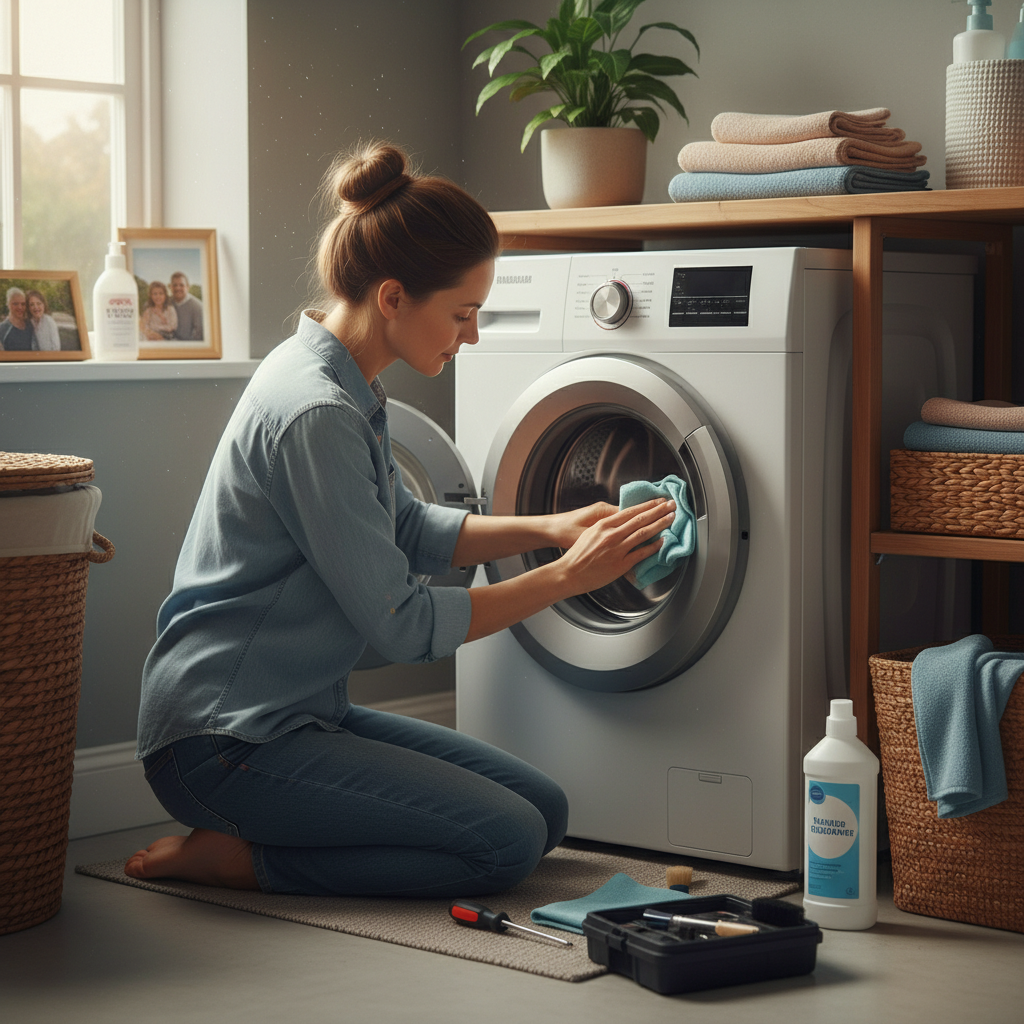
Washing machines, those workhorses of the home, often get overlooked. We take them for granted until they break down, leaving us scrambling for laundromats or, even worse, hand-washing clothes. But in 2026, with the increasing demands on our time and the ever-present need to be mindful of resources, understanding and caring for your washing machine is more important than ever. It’s not just about clean clothes; it’s about convenience, sustainability, and keeping your household running smoothly.
Why Washing Machines Are More Than Just a Chore
Let’s be honest, laundry isn’t exactly a fun activity. But a reliable washing machine is a cornerstone of a well-functioning household. Think about it: a broken machine throws off your entire week. Suddenly, you’re behind on everything, from work to weekend plans. Beyond the immediate inconvenience, there’s the cost. Replacing a washing machine can be a significant expense, and frequent repairs add up quickly. And then there’s the environmental impact – replacing appliances contributes to electronic waste, and inefficient machines use more water and energy.
In 2026, with rising energy costs and growing concerns about water conservation, the efficiency of your washing machine is critical. Modern machines have come a long way, offering features that not only save you time and effort but also reduce your environmental footprint. From advanced water-saving cycles to smart features that optimize performance, the right washing machine can make a real difference.
Understanding the Modern Washing Machine: What’s New?
The washing machine of today isn’t your grandma’s wringer. Technology has revolutionized the way we wash clothes. Here’s a quick rundown of some key advancements:
- High-Efficiency (HE) Washers: These machines use significantly less water than traditional top-load washers. They often tumble clothes instead of fully submerging them, using a concentrated detergent and requiring less water for the wash cycle. HE washers are generally gentler on clothes, reducing wear and tear.
- Smart Features: Many modern washers connect to your home Wi-Fi, allowing you to control and monitor them remotely. You can start, stop, and monitor cycles from your smartphone, receive notifications when a cycle is complete, and even diagnose potential problems.
- Steam Cycles: Steam cycles are designed to refresh clothes, reduce wrinkles, and sanitize fabrics. They’re particularly useful for items that don’t need a full wash, like work clothes or items that have been stored for a while.
- Automatic Detergent Dispensing: Some higher-end models automatically dispense the correct amount of detergent for each load, eliminating the guesswork and potential for overuse.
- Advanced Sensors: Modern washers are equipped with sensors that detect load size, fabric type, and soil level, adjusting water levels, wash times, and detergent usage accordingly. This ensures optimal cleaning performance while conserving resources.
Common Misunderstandings and Misuses
Even with all this advanced technology, many people still misuse their washing machines, leading to problems. Here are some common mistakes:
- Overloading: Cramming too many clothes into the machine restricts movement and can prevent proper cleaning. It also puts undue stress on the motor and other components, shortening the lifespan of the machine.
- Using Too Much Detergent: More detergent doesn’t equal cleaner clothes. Overuse can leave residue on your clothes, clog the machine’s dispenser, and even damage the machine itself.
- Ignoring the Manual: Seriously, read the manual! Washing machines have different settings and features. Not understanding how your machine works can lead to poor cleaning results and potential damage.
- Neglecting Maintenance: Washing machines require regular cleaning and maintenance. Ignoring these tasks can lead to mold, mildew, and reduced performance.
- Washing Items Improperly: Not checking labels before washing is a recipe for disaster. Washing delicate items, or items with specific care instructions, in the wrong cycle can ruin them.
Smart Usage & Maintenance Habits for 2026 and Beyond
So, how do you keep your washing machine running smoothly for years to come? Here’s a practical guide:
1. Read and Follow the Manual
This cannot be stressed enough. Your washing machine’s manual contains vital information about its specific features, settings, and recommended maintenance procedures. It’s the single best resource for understanding your machine and keeping it running smoothly.
2. Load Smartly
Don’t overload the machine. Leave enough space for clothes to move freely. As a general rule, a top-load washer should be filled about ¾ full, and a front-load washer should be filled about ¾ full, depending on the type of clothes. Also, distribute the clothes evenly to avoid imbalances during the spin cycle.
3. Use the Right Detergent and the Right Amount
Use HE detergent if you have an HE machine. Follow the detergent manufacturer’s instructions for the correct amount. Too much detergent can leave residue on clothes and in the machine. Consider using a detergent pod if you find it easier to measure the right amount.
4. Clean Your Machine Regularly
This is crucial! Run a cleaning cycle (many machines have a dedicated cycle) at least once a month. Clean the detergent dispenser, the rubber seal around the door (front-load washers), and the lint filter (top-load washers) regularly. Wipe down the exterior of the machine.
5. Address Problems Promptly
Don’t ignore strange noises or error messages. If something seems off, consult your manual or call a qualified appliance repair technician. Catching small problems early can prevent them from turning into major, expensive repairs.
6. Inspect Hoses and Connections
Check the water supply hoses and drain hose for leaks or cracks regularly. Replace them every few years, or sooner if you notice any signs of wear and tear. This simple check can prevent water damage.
7. Consider Water Hardness
If you have hard water, consider using a water softener. Hard water can leave mineral deposits in your machine, reducing its efficiency and lifespan. Using a water softener or adding a water softening agent to your laundry can help to combat this.
8. Ventilation is Key
After each load, leave the washing machine door or lid open for a while to allow air circulation and prevent mold and mildew growth, especially in front-load washers.
9. Embrace Smart Features (if you have them)
If your machine has smart features, use them! Remotely starting your wash, receiving cycle completion notifications, and using smart diagnostics can all help you manage your laundry more efficiently and potentially catch problems early on.
Future-Proofing Your Laundry Routine
The future of laundry is exciting. Here’s what to keep in mind to stay ahead of the curve:
- Sustainability: Look for machines with even higher water and energy efficiency ratings. Embrace eco-friendly detergents and laundry practices.
- Smart Home Integration: As smart home technology evolves, expect even more seamless integration with your washing machine. Voice control, automated detergent refills, and personalized washing recommendations are likely on the horizon.
- Repairability and Longevity: Choose machines from reputable brands with good service records and readily available parts. Consider the long-term cost of ownership, including potential repair costs.
- Water Conservation: Explore water-saving features like automatic water level adjustments, and consider rainwater harvesting for laundry if feasible in your area.
- Fabric Care: As textile technology advances, expect washers to be even more specialized, with cycles tailored to specific fabrics and clothing types.
In 2026, we’re seeing a shift towards a more mindful approach to home appliances. It’s not just about the latest gadgets; it’s about making smart choices that enhance our lives, save resources, and reduce our environmental impact. By understanding and caring for your washing machine, you’re investing in a more sustainable and efficient future.
Frequently Asked Questions
Here are some of the most common questions about washing machines and their use, with practical answers:
1. How often should I clean my washing machine?
You should run a cleaning cycle at least once a month. Also, clean the detergent dispenser, the rubber seal (front-load), and the lint trap (top-load) regularly. Wipe down the exterior of the machine.
2. What detergent should I use?
Always use HE detergent if you have an HE machine. Use the recommended amount, as per the detergent’s instructions. Overuse can cause residue build-up in your machine.
3. My clothes aren’t getting clean. What’s wrong?
Several factors could be the culprit: Overloading the machine, using too little detergent, using the wrong detergent for the type of machine, or having a problem with your water supply. Check your manual and experiment with different settings.
4. Why is my washing machine making strange noises?
Strange noises can indicate a variety of problems, from a simple imbalance to a worn-out component. Consult your manual to try to diagnose the issue, or contact a qualified repair technician.
5. How can I prevent mold and mildew in my front-load washer?
After each load, leave the door slightly ajar to allow air circulation. Clean the rubber seal regularly. Use the machine’s cleaning cycle and consider using a washing machine cleaner periodically.
6. How long should a washing machine last?
With proper care and maintenance, a good-quality washing machine can last 10-15 years or more. Factors like usage frequency, water quality, and maintenance habits impact its lifespan.
7. Is it worth buying a smart washing machine?
Smart features add convenience. The remote control, alerts, and diagnostics can be helpful. However, consider whether you really need these features and if they fit your lifestyle. Weigh the cost of smart features against the added benefits.
8. What are the best washing machine brands in 2026?
It’s important to research current reviews and reliability ratings, as preferences can change. Some brands known for quality and innovation include Maytag, LG, Samsung, and Bosch. Consider factors like features, reliability ratings, and warranty before deciding.
Caring for your washing machine isn’t just a chore; it’s an investment in your home and your future. By following these tips, you can ensure that your clothes are always clean, your household runs smoothly, and you’re doing your part to conserve resources and embrace a more sustainable lifestyle. Explore the Smart Home Security in 2026: Staying Safe in a Connected World article if you’re interested in other ways to make your home more efficient.
For more home tech tips and advice, check out Josephs Well.