We often think of our homes as our safe havens, a place of comfort and relaxation. But, how often do we truly assess the hidden dangers lurking within those familiar walls? A seemingly harmless environment can harbor several safety hazards that can lead to accidents, injuries, and in worst-case scenarios, tragic events. The good news is that with a bit of mindful effort, you can transform your home into a true sanctuary, minimizing risks and maximizing peace of mind.
## The Everyday Dangers We Overlook
Our daily routines often blind us to potential dangers. We become accustomed to certain layouts and habits, leading us to overlook common risks. For instance, a cluttered hallway might seem normal, but it’s a trip hazard waiting to happen. A loose electrical cord might go unnoticed, until it causes a fire. Here are some of the most overlooked risks in the home:
* **Fire Hazards:** Cooking is a leading cause of home fires. Leaving the stove unattended for even a moment can have devastating consequences. Electrical faults, overloaded outlets, and faulty appliances also pose significant fire risks. Additionally, flammable materials like curtains and towels near heat sources can easily ignite.
* **Trip and Fall Hazards:** These are more common than we realize, especially for children and seniors. Loose rugs, uneven surfaces, clutter in walkways, and poor lighting contribute to falls, potentially leading to serious injuries.
* **Poisoning and Chemical Exposure:** Cleaning products, medications, and other household chemicals can be highly dangerous, particularly to children and pets. Improper storage and accessibility increase the risk of accidental ingestion or exposure.
* **Security Breaches:** While we often think of break-ins, security vulnerabilities can also be subtler. Unsecured doors and windows, inadequate lighting, and lack of a home security system can make your home a target for theft and other crimes.
* **Choking Hazards:** Small objects, such as toys, coins, and button batteries, are a serious threat to young children. Even certain foods can pose a choking risk if not prepared or consumed with care.
## The Risks Involved: A Closer Look
The consequences of overlooking these dangers can range from minor inconveniences to life-altering events.
* **Injuries:** Falls can cause fractures, head injuries, and other serious trauma, especially for the elderly. Burns from cooking accidents or electrical fires can lead to painful and debilitating injuries. Poisoning can result in organ damage or even death.
* **Financial Costs:** Accidents can lead to expensive medical bills, property damage, and insurance claims. Home security breaches can result in the loss of valuable possessions and the emotional distress of dealing with a crime.
* **Emotional Distress:** Living in an unsafe environment can cause chronic anxiety and stress. Knowing that your family is at risk can significantly impact your mental well-being.
* **Long-Term Health Problems:** Exposure to mold, carbon monoxide, or other environmental hazards can lead to long-term health problems.
## Common Wrong Habits That Increase Risk
Many of us unknowingly engage in habits that increase our risk of accidents.
* **Ignoring Smoke Detectors:** Failing to regularly test and maintain smoke detectors is a dangerous oversight. Working smoke alarms significantly increase your chances of surviving a home fire.
* **Leaving Appliances Unattended:** Leaving the stove or space heaters running unattended is a major cause of house fires.
* **Storing Chemicals Improperly:** Storing cleaning products and medications in easily accessible locations increases the risk of accidental ingestion, especially by children.
* **Neglecting Home Maintenance:** Failing to address minor repairs, such as loose handrails or cracked sidewalks, can turn into major hazards over time.
* **Ignoring Security Measures:** Leaving doors unlocked, failing to use peepholes, and neglecting outdoor lighting can make your home more vulnerable to break-ins.
## Simple System-Level Improvements
Making your home safer doesn’t require a complete overhaul. Small, systematic changes can make a big difference.
* **Install and Maintain Smoke and Carbon Monoxide Detectors:** Place smoke detectors on every level of your home, inside bedrooms, and outside sleeping areas. Test them monthly and replace batteries at least once a year, or use 10-year lithium batteries. Install carbon monoxide detectors near sleeping areas.
* **Create a Fire Escape Plan and Practice It:** Draw a floor plan, identifying all exits and alternate escape routes. Conduct fire drills with your family at least twice a year.
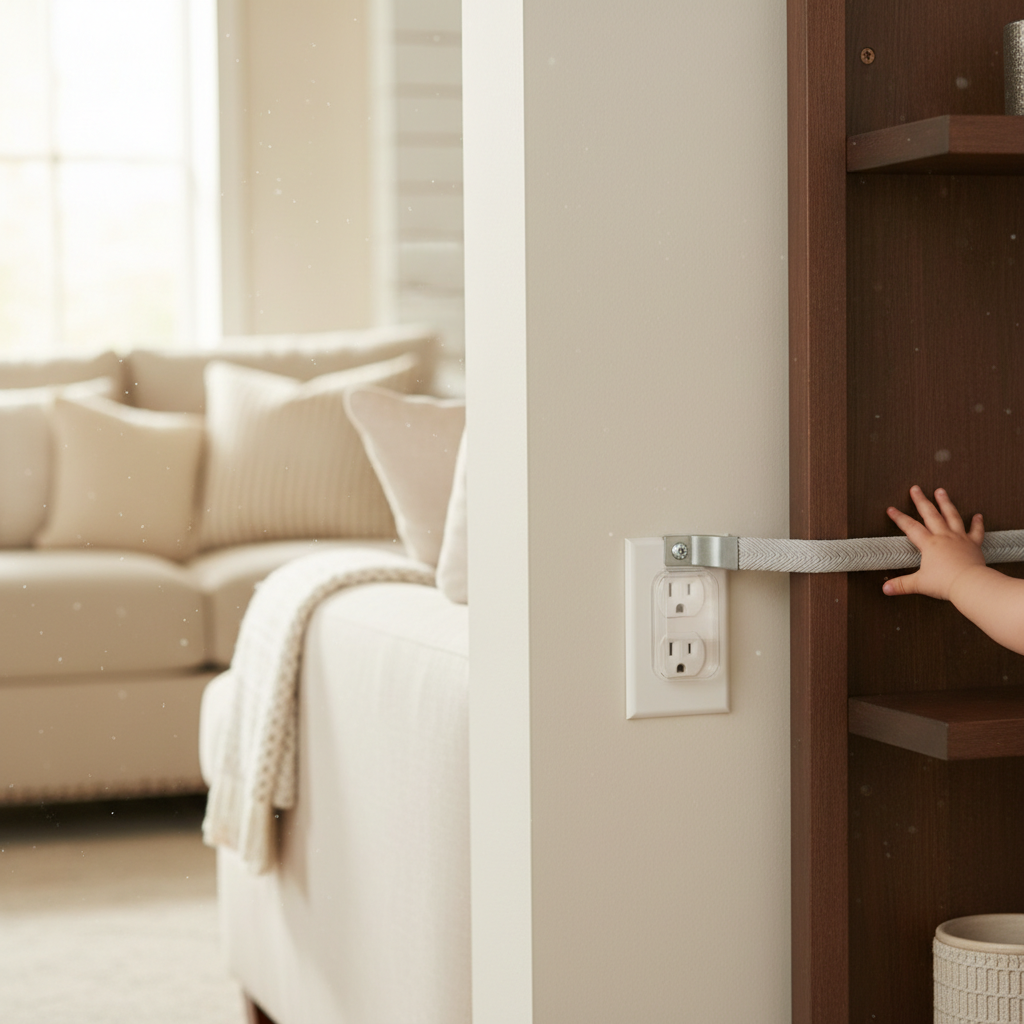
* **Childproof Your Home:** For young children, install safety gates at the top and bottom of stairs. Cover electrical outlets, secure furniture to prevent tip-overs, and store cleaning supplies and medications in locked cabinets.
* **Improve Lighting:** Ensure adequate lighting in hallways, stairways, and outdoor areas. Install motion-activated lights for added security and convenience.
* **Secure Your Home:** Install sturdy deadbolts on all exterior doors. Use a peephole before opening the door. Trim bushes and other plants away from windows and doors. Consider installing a home security system.
* **Regularly Inspect and Maintain Your Home:** Perform routine maintenance to address potential hazards. Check for loose handrails, uneven surfaces, and other potential trip hazards. Inspect appliances, electrical systems, and chimneys to ensure they are functioning safely.
The article, “*Conquering Kitchen Chaos: A Smart Living Guide to a Streamlined Culinary Space*,” offers valuable tips on how to organize and maintain a safe kitchen environment, which is a key area for preventing accidents. Conquering Kitchen Chaos: A Smart Living Guide to a Streamlined Culinary Space.
## Modern Lifestyle Relevance
In today’s fast-paced world, convenience and efficiency are paramount. Smart home technology provides an excellent opportunity to enhance home safety in a way that fits seamlessly into our modern lifestyles. Smart smoke detectors that alert your smartphone, video doorbells that let you see who’s at your door from anywhere, and smart locks that automatically secure your home can all significantly improve safety with minimal effort. Moreover, a proactive approach to home safety can help you save time and money by preventing accidents, reducing the need for emergency services, and lowering insurance premiums.
## Long-Term Peace and Convenience Benefits
Investing in home safety offers substantial long-term benefits.
* **Reduced Risk of Accidents:** Creating a safer environment significantly reduces the risk of injuries, illnesses, and other incidents.
* **Increased Peace of Mind:** Knowing that your home is secure and your loved ones are protected brings immense peace of mind.
* **Improved Quality of Life:** A safe home promotes physical and emotional well-being, allowing you to relax and enjoy your living space.
* **Financial Savings:** Preventing accidents and security breaches can save you money on medical bills, property damage, and insurance costs.
* **Enhanced Home Value:** A well-maintained and secure home is more valuable.
## FAQs
Here are some frequently asked questions about home safety:
1. **How often should I test my smoke detectors?**
You should test your smoke detectors monthly by pressing the test button. Replace the batteries at least once a year, and replace the entire smoke detector unit every 10 years.
2. **What should I do if my smoke detector goes off?**
If you hear a smoke alarm, immediately evacuate your home, following your pre-planned escape route. Call the fire department from a safe location.
3. **How can I prevent falls in my home?**
Remove tripping hazards such as loose rugs and clutter. Ensure good lighting in all areas, and install grab bars in bathrooms and near stairs.
4. **How do I childproof my home?**
Install safety gates, cover electrical outlets, secure furniture to prevent tip-overs, and store cleaning supplies and medications in locked cabinets.
5. **How can I protect my home from break-ins?**
Lock all doors and windows, install sturdy deadbolts, use a peephole, and improve outdoor lighting. Consider a home security system.
6. **What should I do if I smell gas in my home?**
Immediately evacuate your home and call the gas company from a safe location. Do not use any electrical appliances or create any sparks.
7. **How do I store medications safely?**
Store all medications and vitamins in a locked cabinet or drawer, out of reach of children and pets.
8. **What is the best way to prevent kitchen fires?**
Never leave cooking unattended. Keep flammable items away from the stovetop and oven. Have a fire extinguisher readily available.
Taking steps to make your home a safer place doesn’t need to be a daunting task. By adopting simple, practical strategies, you can significantly reduce your risk of accidents and create a secure and comfortable living environment for yourself and your loved ones. Visit Josephs Well for more smart-living tips and resources.