Life is a series of routines. You wake up, maybe check your phone, grab a coffee, and then…the day unfolds. But how often do you consciously think about the subtle, everyday actions that could put your home and your loved ones at risk? One area where many of us have blind spots is fire safety. It’s not something we dwell on, but small oversights can have serious consequences. This article will explore common fire hazards in the home, the bad habits that make them worse, and how to implement simple, effective systems to protect yourself and your family.
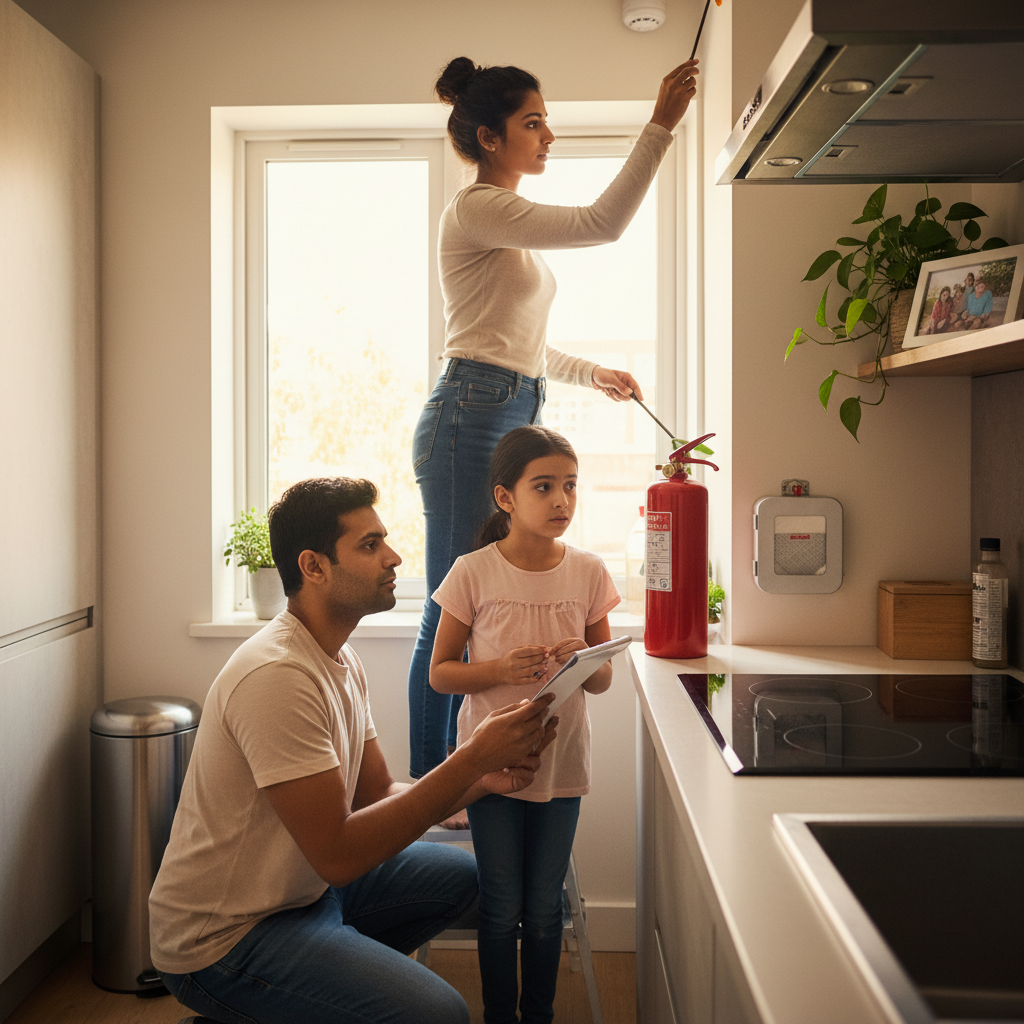
The Everyday Scenario: A Relaxed Evening at Home
Imagine a typical weeknight. You’re home, cooking dinner. The aroma of your favorite dish fills the air. You might take a call, glance at your phone, or maybe get lost in thought. Meanwhile, the stove continues to work. Later, you might light a candle for ambiance, settle in for some TV, and perhaps doze off. Sounds familiar? These seemingly harmless moments are when risks can arise.
The Inefficiencies That Add Up: Small Mistakes, Big Consequences
The problem isn’t any single action, but the accumulation of small, often overlooked, inefficiencies.
* **Unattended Cooking:** This is the leading cause of house fires. Leaving a pan on the stove, even for a few minutes, can be enough for grease to ignite or food to burn and smolder.
* **Candles and Open Flames:** Candles create a cozy atmosphere, but they are a significant fire hazard if left unattended or placed too close to flammable materials like curtains or paper.
* **Electrical Overload:** Plugging too many devices into one outlet or extension cord can cause overheating and sparks, leading to a fire.
* **Lack of Maintenance:** Not regularly cleaning a dryer’s lint trap, or having your chimney swept, can create dangerous fire risks.
* **Smoking Indoors:** Cigarettes and e-cigarettes are known fire hazards.
These habits might seem minor, but they significantly increase the likelihood of a fire starting in your home.
Unmasking the Risks: Why We Overlook These Dangers
There are several reasons why we often underestimate the risks of fire hazards.
* **Complacency:** We assume “it won’t happen to me.” This can lead to a casual attitude towards potential dangers.
* **Distraction:** Modern life is full of distractions, which can make it easy to forget about something on the stove or a lit candle.
* **Lack of Knowledge:** Many people aren’t fully aware of common fire hazards or how to prevent them.
* **Time Constraints:** We are often rushing, making us more likely to skip safety checks or cut corners.
Correcting the Course: Simple System-Level Improvements
Fortunately, you can implement simple systems to mitigate risks and make your home safer.
* **Kitchen Vigilance:** Never leave cooking unattended. Set a timer, and stay focused on what you’re doing. Keep flammable items, like towels and cookbooks, away from the stove.
* **Candle Caution:** Never leave a lit candle unattended. Place candles on stable, non-flammable surfaces, and keep them away from flammable materials. Consider using battery-operated LED candles.
* **Electrical Safety:** Avoid overloading outlets. Inspect cords and plugs regularly for damage. Unplug appliances when not in use, especially overnight.
* **Regular Maintenance:** Clean your dryer’s lint trap after every use. Have your chimney inspected and cleaned annually.
* **Smoking Restrictions:** If you smoke, do so outdoors, and use a deep ashtray. Ensure cigarette butts are completely extinguished.
Modern Relevance: Fire Safety in the Digital Age
Smart home technology offers new opportunities to enhance fire safety.
* **Smart Smoke Detectors:** These detectors send alerts to your smartphone, even when you’re away from home. Some systems can also notify the fire department automatically.
* **Smart Stovetop Fire Prevention:** Some smart devices can monitor cooking activities and alert you to potential dangers.
* **Smart Plugs and Outlets:** These can be used to control appliances and prevent overloading.
Implementing these devices can enhance your home’s safety and provide peace of mind. You can explore modern smart home technology further by reading: Smart Appliances in 2026: Navigating the Connected Home.
Long-Term Peace and Convenience Benefits
Adopting these fire safety systems and habits offers long-term benefits beyond just preventing fires.
* **Reduced Stress:** Knowing your home is safer provides peace of mind.
* **Enhanced Security:** A fire-safe home is generally a more secure home.
* **Cost Savings:** Preventing a fire saves money on repairs, insurance, and potential medical bills.
* **Improved Home Value:** A safe home is more valuable.
Fire safety is an investment in your well-being. By making a few simple changes, you can create a safer, more secure home environment. For more information, visit Josephs Well.
FAQ: Frequently Asked Questions About Home Fire Safety
**1. What is the most common cause of house fires?**
Cooking is the number one cause of house fires.
**2. How often should I test my smoke detectors?**
Test your smoke detectors monthly by pressing the test button. Replace the batteries annually.
**3. What type of fire extinguisher should I have in my home?**
An ABC fire extinguisher is generally recommended for homes, as it can handle multiple types of fires (wood, paper, flammable liquids, and electrical). You can also consider the LifeSafe StaySafe, as it is designed for modern fire risks.
**4. Where should I place smoke detectors in my home?**
Install smoke detectors on every level of your home, including the basement, and inside and outside each sleeping area.
**5. How do I safely put out a grease fire?**
Never use water on a grease fire. Smother the flames by covering the pan with a lid or using a fire extinguisher designed for grease fires.
**6. How often should I clean my dryer’s lint trap?**
Clean your dryer’s lint trap after every use.
**7. What are some fire hazards in the garage?**
Flammable liquids, such as gasoline and paint, are fire hazards. It’s important to store them in tightly sealed containers in a safe location.
**8. Are smart home devices worth it for fire safety?**
Smart home devices like smart smoke detectors and stovetop fire prevention systems can be very helpful in preventing and detecting fires. They offer alerts even when you’re away and can notify the fire department.