We all want to save money. We clip coupons, shop sales, and try to be mindful of our spending. But sometimes, the biggest drains on our wallets are the hidden ones – the energy vampires lurking in our homes, sucking away dollars without us even realizing it. These are the small, everyday habits that, when added up, can significantly inflate your monthly utility bills. Let’s delve into these unseen culprits and discover how to reclaim control.
The Morning Rush and Its Hidden Costs
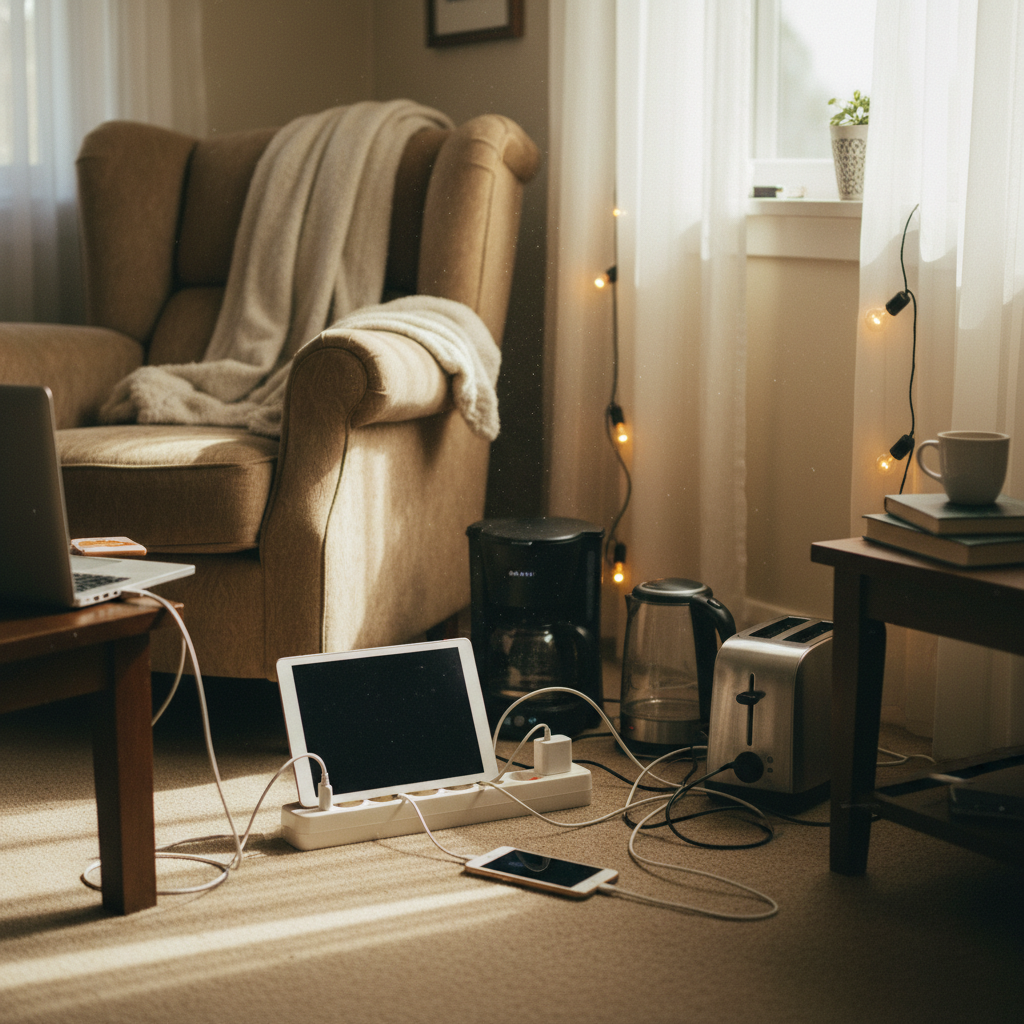
Imagine your typical weekday morning. The alarm blares, you hit snooze a few times, then you jump out of bed. You stumble into the kitchen, switch on the coffee maker, and maybe pop some bread into the toaster. After your coffee and toast, you shower, dry your hair with a dryer, and then head out, perhaps forgetting to switch off any appliances left on.
Sounds familiar? This seemingly innocuous routine is riddled with energy-guzzling opportunities. The coffee maker left on ‘keep warm’ for hours, the charger still plugged in even after your phone is fully charged, and the lights left burning in empty rooms. These are prime examples of the small habits that quietly inflate your energy consumption.
The Inefficiency of “Convenience”
We often prioritize convenience, and there’s nothing wrong with that. But sometimes, convenience comes at a price – and in this case, that price is measured in kilowatt-hours. Leaving appliances on “standby” mode is a classic example. That TV that’s always ready to spring to life at the touch of a button? It’s still using energy, even when you’re not watching.
Consider the habit of using multiple small appliances when one larger one would suffice. Maybe you use a toaster oven to heat up a small portion of food when the regular oven would be more efficient for larger quantities. These small decisions, repeated day after day, year after year, contribute significantly to your energy bill.
The Hidden Risks: Beyond the Bill
Beyond the financial implications, inefficient energy use carries other risks. Overloaded circuits, a byproduct of using too many appliances on the same power strip, can pose a fire hazard. Leaving appliances unattended also presents safety concerns. The old iron left on the ironing board or the space heater too close to flammable materials are potential dangers.
Environmentally, excess energy consumption contributes to greenhouse gas emissions, exacerbating climate change. Reducing your energy footprint is not just about saving money; it’s about making a positive impact on the planet.
Common Wrong Habits and How to Fix Them
Let’s break down some common energy-wasting habits and how to correct them:
- Phantom Load: This refers to the energy consumed by appliances while they are turned off but still plugged in.
- Wrong Habit: Leaving chargers, TVs, computers, and other electronics plugged in.
- Fix: Use power strips with on/off switches, and turn them off when not in use. Unplug chargers when not needed.
- Inefficient Lighting: Outdated light bulbs and the habit of leaving lights on in empty rooms.
- Wrong Habit: Using incandescent bulbs and forgetting to turn off lights.
- Fix: Switch to LED bulbs, which use significantly less energy and last much longer. Install motion sensors or timers in areas where lights are often left on.
- Temperature Control Issues: Over-reliance on heating and air conditioning, and poor insulation.
- Wrong Habit: Setting the thermostat too high in winter and too low in summer, and neglecting insulation.
- Fix: Adjust your thermostat to a comfortable but energy-efficient setting. Ensure your home is well-insulated, and consider using a programmable thermostat to automatically adjust temperatures based on your schedule.
- Water Heating Waste: Inefficient water heaters and long showers.
- Wrong Habit: Taking long, hot showers and having an older water heater.
- Fix: Shorten your shower time. Insulate your hot water tank and pipes. Consider a low-flow showerhead.
- Appliance Inefficiency: Old appliances consume more energy than newer, more efficient models.
- Wrong Habit: Using outdated refrigerators, washing machines, and dryers.
- Fix: When it’s time to replace an appliance, choose an Energy Star-certified model. These appliances meet strict energy efficiency guidelines.
System-Level Improvements: Building an Energy-Efficient Home
Beyond correcting individual habits, consider implementing system-level improvements to maximize energy efficiency:
- Smart Thermostats: These devices learn your schedule and adjust the temperature automatically, saving energy when you’re away.
- Smart Plugs: These allow you to monitor and control the energy consumption of individual appliances remotely.
- Home Energy Audits: A professional audit can identify areas where your home is losing energy, such as through drafts or poor insulation.
- Renewable Energy: Consider investing in solar panels or other renewable energy sources to power your home.
Modern Lifestyle Relevance: Integrating Efficiency into Your Routine
In today’s fast-paced world, time is precious. Energy efficiency isn’t just about saving money; it’s about making your life easier and less cluttered. By adopting energy-saving habits, you can streamline your daily routine, reduce stress, and create a more sustainable lifestyle.
Smart home technology can play a significant role. Smart lighting systems allow you to control lights from your smartphone, eliminating the need to walk around the house turning them off. Smart appliances, like washing machines, can be programmed to run during off-peak hours when electricity rates are lower. You can explore The Quiet Revolution: Mastering Your Smart Washing Machine in 2026 to learn more about this.
Long-Term Peace & Convenience Benefits
The benefits of energy efficiency extend beyond your wallet. A more energy-efficient home is a more comfortable and convenient home. You’ll enjoy a more consistent temperature, improved indoor air quality, and reduced noise levels. These improvements contribute to a greater sense of peace and well-being.
Furthermore, by embracing energy-saving habits, you’re contributing to a more sustainable future. You’re reducing your carbon footprint and helping to protect the environment for generations to come. This provides a sense of purpose and satisfaction.
Think about the peace of mind that comes with knowing you’re not wasting resources. No more worrying about the electricity bill sneaking up on you. You’re in control.
FAQ: Frequently Asked Questions
Here are some frequently asked questions about energy efficiency and how to save money:
- How much money can I realistically save by being energy-efficient?
The amount you save depends on your current habits, the size of your home, and your local energy rates. However, many homeowners report saving hundreds of dollars per year by making simple changes.
- Are smart home devices worth the investment?
In many cases, yes. Smart thermostats, smart plugs, and other devices can pay for themselves over time by reducing energy consumption. They also add convenience and improve your home’s comfort level.
- What’s the best way to find out where my home is losing energy?
A home energy audit is the most effective way to identify energy leaks. You can hire a professional auditor or conduct a DIY audit using online resources and tools.
- Is it worth upgrading my old appliances?
Yes. Older appliances often consume significantly more energy than newer models. Upgrading to Energy Star-certified appliances can result in substantial energy savings.
- What are some simple things I can do today to start saving energy?
Unplug chargers when not in use, switch to LED light bulbs, and adjust your thermostat. These are quick and easy steps that can make a difference immediately.
- Do energy-efficient habits require a lot of time and effort?
Initially, there might be a small adjustment period. But once you establish energy-saving habits, they become second nature. Most changes require minimal effort.
- How can I make sure I am buying the most efficient appliances?
Look for the Energy Star label when purchasing appliances. This indicates that the appliance has met specific energy efficiency guidelines set by the Environmental Protection Agency (EPA).
- Is it possible to generate my own electricity?
Yes, solar panels are becoming increasingly affordable and accessible. They allow you to generate your own electricity, reducing your reliance on the grid and lowering your energy bills.
By making small changes in your daily routines and adopting energy-efficient habits, you can significantly reduce your energy bills, create a more comfortable home, and contribute to a more sustainable future. Start today by identifying the energy vampires in your home and taking steps to eliminate them. Visit Josephs Well for more smart living tips.