Imagine your ideal day. You wake up feeling refreshed, the house is tidy, and your to-do list seems manageable. You have time for the things you enjoy, and you’re not constantly rushing. Now, think about your *actual* day. Are you constantly chasing your tail, feeling like you never quite catch up? Do you find yourself scrambling to find things, feeling frazzled and overwhelmed? If so, you’re not alone. Many seemingly small, everyday habits are stealthily stealing precious time from your life.
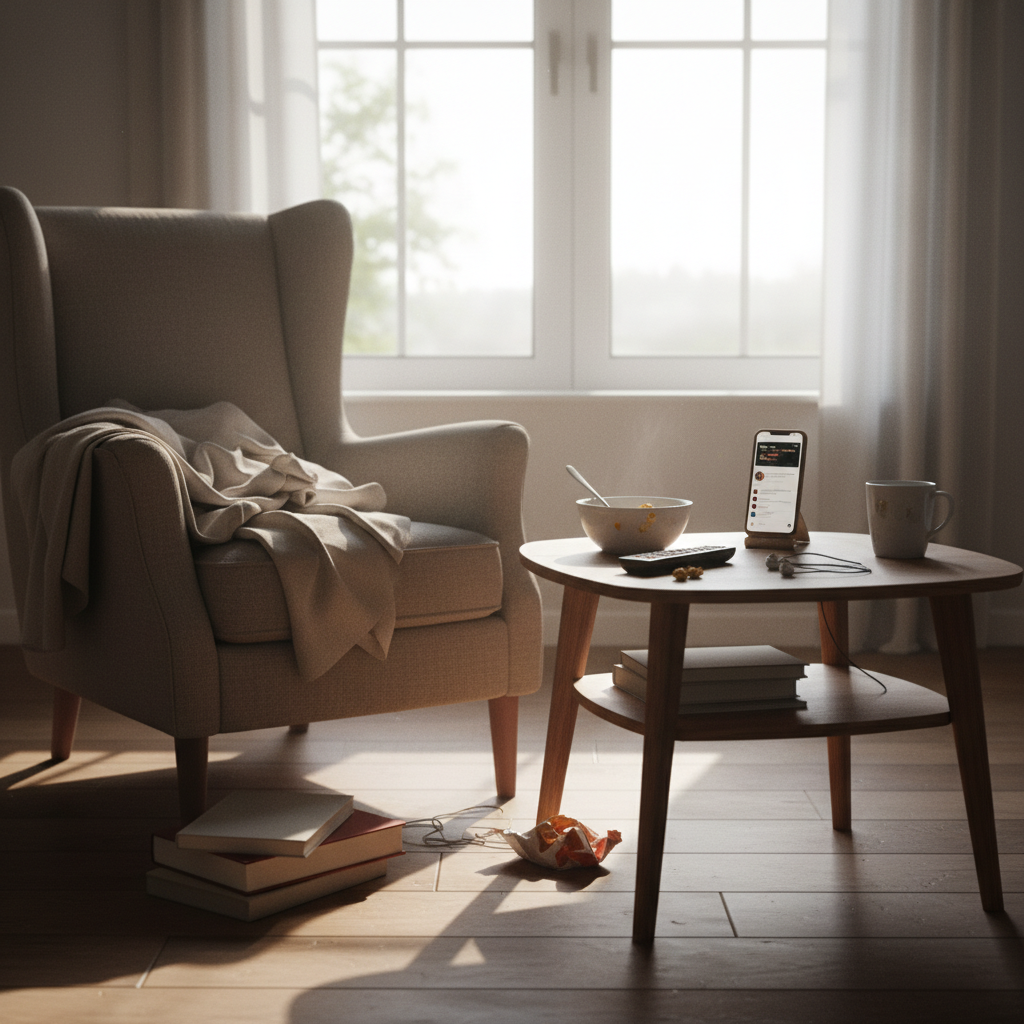
This isn’t about some complex productivity system or a radical lifestyle overhaul. It’s about recognizing the hidden time thieves lurking in your home and learning how to evict them. The good news? These habits are often easily corrected with a bit of awareness and a few simple tweaks.
The “Just a Minute” Mindset: How Small Inefficiencies Accumulate
We often dismiss the little things. “It only takes a minute,” we tell ourselves as we toss our keys on the counter or leave a dish in the sink “just for now.” But these “just a minute” moments add up. Think about it:
* **The misplaced keys:** How much time do you spend searching for your keys each week? It might be five minutes here, ten minutes there, but over a month, it’s a significant chunk of time.
* **The delayed cleanup:** That single dish in the sink might seem insignificant, but it creates a visual clutter. Then, next time you go to use the kitchen, it becomes two dishes, and then three, creating a bigger job to clean.
* **The last-minute scramble:** Rushing around in the morning because you can’t find your shoes or your to-do list is a symptom of a larger problem.
These small inefficiencies create stress, disrupt your flow, and ultimately, steal your time.
Common Culprits: Identifying the Time Thieves
Let’s pinpoint some of the most common time-wasting habits around the house:
* **The “Put-Downers”:** Leaving items out instead of putting them away is a major time drain. Coats on chairs, shoes by the door, mail on the counter – each item requires a separate decision and a future search.
* **The Procrastinators:** Delaying small tasks like responding to emails or putting away laundry can lead to larger, more overwhelming tasks later.
* **The Multitaskers:** Trying to do too many things at once may feel efficient, but it often leads to less focus, more mistakes, and wasted time.
* **The Digital Distractors:** Constantly checking your phone, social media, or email interrupts your focus and breaks your concentration.
Breaking Free: Simple Systems for a More Efficient Home
The good news is that these habits can be changed. Here are some simple system-level improvements that can make a big difference:
* **Designated Zones:** Create “drop zones” near entryways and high-traffic areas. A basket for keys, a hook for coats, and a shoe rack by the door eliminate the need to search or move things later.
* **The One-Touch Rule:** Handle items once. When you bring something in, put it where it belongs immediately. Mail gets sorted and filed right away, dirty dishes go directly into the dishwasher, and clothes go straight into the hamper.
* **Time Blocking:** Schedule specific times for focused work and tasks. This can help you stay on track and avoid getting sidetracked by distractions.
* **Meal Planning:** Plan your meals for the week. This reduces the daily decision-making fatigue and saves time on grocery shopping and meal preparation.
* **Automate, Automate, Automate:** Look for opportunities to automate tasks. Schedule online bill payments, set up automatic deliveries for household supplies, and use a robot vacuum to handle the floors.
By incorporating small adjustments in your day-to-day life, you can significantly enhance your home’s efficiency. Consider visiting The Silent Thief: How Small, Unnoticed Expenses Drain Your Wallet for additional methods of enhancing your home’s efficiency.
Modern Relevance: Why Efficiency Matters Now More Than Ever
In today’s fast-paced world, time is a precious commodity. We’re juggling careers, family, social commitments, and personal pursuits. The demands on our time are greater than ever before. This is why smart living, efficiency, and streamlined systems are so crucial.
By reclaiming the time lost to inefficient habits, you can:
* **Reduce Stress:** A more organized and efficient home creates a sense of calm and control.
* **Increase Productivity:** More time allows you to focus on the things that matter most.
* **Improve Well-being:** Having more free time allows for better work-life balance and reduces the feelings of being overwhelmed.
* **Enhance Relationships:** More free time with loved ones strengthens family bonds.
Long-Term Benefits: Peace, Convenience, and a More Fulfilling Life
The changes may seem small, but the long-term benefits are substantial. By adopting simple systems and breaking bad habits, you create a home that supports your goals and enhances your overall quality of life. You’ll experience:
* **Reduced Clutter:** Less stuff, less stress, and more space to breathe.
* **Increased Productivity:** More time for the things you enjoy and for achieving your goals.
* **Greater Peace of Mind:** Knowing that your home is organized and efficient reduces daily stress and anxiety.
* **More Time for What Matters:** You’ll have more time for your family, your hobbies, and your personal well-being.
Ultimately, smart living is about creating a life that works *for* you, not against you. It’s about making small changes that create a big impact on your time, energy, and overall happiness. By implementing these simple systems and strategies, you can take control of your time and create a home that supports your best life. Check out Josephs Well for more information.
Frequently Asked Questions
1. **How can I get started with improving my home’s efficiency?**
Start small. Choose one or two areas where you feel most frustrated and implement a simple system. For example, if you constantly misplace your keys, create a designated spot near your entryway. Focus on making one positive change and building from there.
2. **What if I don’t have time to implement these changes?**
The irony is that you *don’t* have time *not* to. The time you invest in creating efficient systems will be repaid many times over in the form of saved time and reduced stress. Make it a priority, even if it’s just for 15 minutes a day.
3. **How do I break the habit of putting things down and not putting them away?**
The key is to develop a “one-touch rule.” When you touch an item, put it where it belongs immediately. If you can’t put it away right away, designate a temporary holding place and make it a point to put it away later.
4. **What are some good ways to reduce digital distractions?**
Turn off notifications on your phone, designate specific times for checking email, and use website blockers to limit access to distracting sites. Create a “digital-free” zone in your home where you can focus on other activities.
5. **How can I make meal planning easier?**
Start by creating a simple weekly meal plan and make a grocery list based on the plan. Consider batch cooking meals on the weekend and freezing them for later use.
6. **How do I get my family on board with these changes?**
Involve your family in the process. Explain why you’re making these changes and how they will benefit everyone. Create simple, shared routines and systems, and make it a team effort.
7. **What’s the best way to stay motivated?**
Focus on the positive results. Track your progress, celebrate small wins, and remind yourself of how much better you feel when your home is organized and efficient.
8. **Is it possible to be perfect with these habits?**
No, and don’t try to be. Life happens, and there will be days when things get messy. The goal is to develop habits that work *most* of the time, not all the time. Be kind to yourself, and keep practicing.