It’s a Tuesday morning, 2026. The coffee maker is humming, the kids are in the shower, and you’re about to fill the dog’s water bowl. You glance at your phone – a notification pops up from your smart water filter. “Filter Replacement Recommended.” No surprises, no guesswork. Just a timely reminder to swap out the cartridge and keep your water flowing clean and fresh.
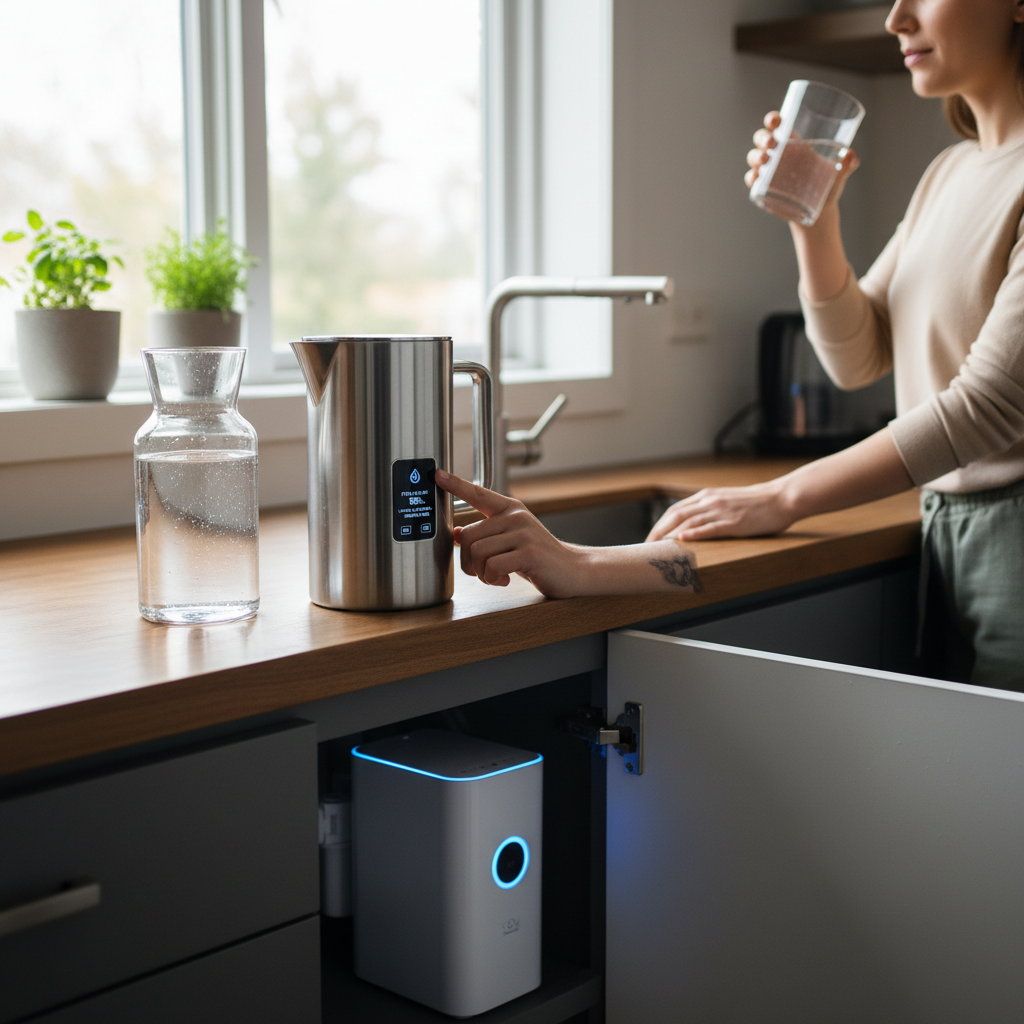
This isn’t a futuristic fantasy. This is the reality of smart water filtration, a rapidly evolving technology that’s making its way into more and more homes. Over the past few years, we’ve seen a shift from basic water filters to intelligent systems that not only purify water but also provide real-time monitoring, predictive maintenance, and even integration with your smart home ecosystem.
Why Smart Water Filters Matter in 2026
In 2026, we’re more aware than ever of the importance of clean water. Concerns about contaminants, aging infrastructure, and the desire for healthier living have driven the demand for effective home water filtration. But today’s homeowner is also busy. We want convenience, efficiency, and the peace of mind that comes with knowing our homes are working smarter, not harder.
Smart water filters deliver on all of these fronts. They offer:
* **Real-time Monitoring:** Smart filters use sensors to track water quality, detect contaminants, and alert you to any issues.
* **Predictive Maintenance:** These filters monitor usage and predict when a filter change is needed, eliminating the guesswork.
* **Convenience:** Many systems connect to your smartphone, allowing you to monitor water quality, manage filter replacements, and even order new filters with a few taps.
* **Integration:** Smart filters can integrate with your existing smart home system, allowing you to monitor water quality alongside other home systems, such as your smart thermostat or smart security.
* **Potential Water Conservation:** By tracking water usage, these filters can help you identify leaks or wasteful habits, contributing to water conservation efforts.
The benefits extend beyond mere convenience. As awareness of water quality issues continues to rise, the ability to ensure clean, safe drinking water becomes a top priority. A smart water filter offers this assurance, safeguarding the health of your family and potentially reducing the risks associated with contaminated water supplies.
The Common Pitfalls of Smart Water Filter Usage
While smart water filters offer a compelling vision of a healthier, more convenient home, it’s important to be aware of the potential pitfalls. Here are some of the common mistakes homeowners make:
* **Ignoring Alerts:** The biggest mistake is failing to act on the data. A smart filter is only as effective as the homeowner is attentive. Regularly check the app, respond to alerts promptly, and adhere to filter replacement schedules.
* **Overlooking Water Quality Testing:** While smart filters provide real-time data, they shouldn’t replace regular water quality testing. Get your water tested annually to identify any potential contaminants. Testing your water can help you determine the types of filtration you may need.
* **Choosing the Wrong System:** Not all smart filters are created equal. Select a filter based on your home’s needs, water usage, and the specific contaminants you’re concerned about. Different types of filters are available for different uses.
* **Neglecting Maintenance Beyond Filters:** Many systems have more than just filter cartridges. Inspect and maintain the system as recommended by the manufacturer.
* **Privacy Concerns:** In an era of data breaches, it’s wise to consider the privacy implications. Review the manufacturer’s data privacy policy.
How to Make the Most of Your Smart Water Filter
To maximize the benefits of a smart water filter, adopt these smart usage and maintenance habits:
* **Regularly Monitor Your App:** Make checking your water filter app a part of your routine. This ensures you’re aware of any issues or necessary maintenance.
* **Follow the Replacement Schedule:** Don’t wait for the filter to completely fail. Adhere to the recommended filter replacement schedule, which varies depending on the filter type and usage. Carbon filters usually last six to twelve months, and sediment filters may only last for three months.
* **Pair with Whole-House Filtration:** Consider pairing your smart filter with a whole-house filtration system for comprehensive water treatment throughout your home.
* **Prioritize Professional Installation:** Have your smart water filter professionally installed to ensure proper setup and prevent leaks or other issues.
* **Stay Informed:** Keep up with the latest advancements in water filtration technology. Consider smart filters that are NSF-certified to ensure that they meet safety standards.
Future-Ready Advice: What Really Matters
As we move further into 2026 and beyond, the following considerations will become increasingly important:
* **Water Quality Regulations:** Stay informed about local water quality regulations and any potential changes that may impact your home’s water supply.
* **Water Conservation:** As water resources become more strained, smart filters can contribute to water conservation efforts through usage tracking and leak detection.
* **The Rise of “Personalized” Water:** Expect to see even more sophisticated systems that can be customized to meet individual health needs. Some systems may enhance the water with vitamins or minerals.
* **Cybersecurity:** As with all smart home devices, the security of your smart water filter is paramount. Choose reputable brands with strong security protocols.
* **Sustainability:** Consider the environmental impact of your filter choices. Look for filters made with sustainable materials and that offer efficient water usage.
Frequently Asked Questions
Here are some of the most common questions about smart water filters:
**Q: How do smart water filters differ from traditional filters?**
A: Smart water filters offer real-time monitoring, predictive maintenance, and app-based control, providing convenience and peace of mind that traditional filters can’t match.
**Q: Are smart water filters expensive?**
A: The initial cost of a smart water filter can be higher than traditional models, but the added features and potential long-term benefits may justify the investment. Also, with the longer life of some filters, the cost can be less.
**Q: How often do I need to replace the filter?**
A: The filter replacement frequency varies depending on the type of filter and water usage. Most filters are good for six to twenty-four months, but this may vary based on water usage and water quality. The app will provide alerts, and it is best to check the manufacturer’s recommendations.
**Q: Do smart water filters remove all contaminants?**
A: Smart water filters can remove a wide range of contaminants, including sediment, chlorine, lead, and other harmful substances. The effectiveness varies depending on the filter type and the specific contaminants present in your water. It is important to know what kind of contaminants are in your water, and get the filter that meets the specifications of removing those contaminants.
**Q: Can I install a smart water filter myself?**
A: While some models offer DIY installation, it’s generally recommended to have a professional install your smart water filter to ensure proper functionality and prevent leaks.
**Q: Will a smart water filter work with my existing smart home system?**
A: Many smart water filters are designed to integrate with popular smart home platforms like Amazon Alexa and Google Assistant, allowing you to control and monitor the filter through voice commands or within your existing smart home app.
**Q: What are the benefits of a whole-house water filter?**
A: A whole-house water filter provides clean water throughout your entire home. It can also improve the taste and smell of your water and extend the life of your appliances.
Smart water filters represent a significant step forward in home technology, offering a convenient, efficient, and health-conscious approach to water purification. By understanding the technology, avoiding common pitfalls, and embracing smart usage habits, you can harness the full potential of these innovative devices and enjoy the benefits of clean, safe water in your home for years to come.
In the evolving landscape of home technology, it’s about anticipating what matters most: The Scroll: How Endless Feeds Rewired Our Attention is something to consider as you make your home smarter. As technology becomes more integrated, understanding how it affects our daily lives is paramount. To find out more, visit Josephs Well, for all things home tech.