Remember the old days? Flipping a switch for a light, manually adjusting the thermostat, and hoping your leftovers didn’t mysteriously disappear in the back of the fridge. Fast forward to 2026, and the world of home appliances has undergone a massive transformation. We’re living in the age of smart homes, where everything from your refrigerator to your washing machine is connected, automated, and, dare I say, intelligent. But with all this advanced technology, how do you ensure your home appliances not only keep up with the times but also stand the test of time?
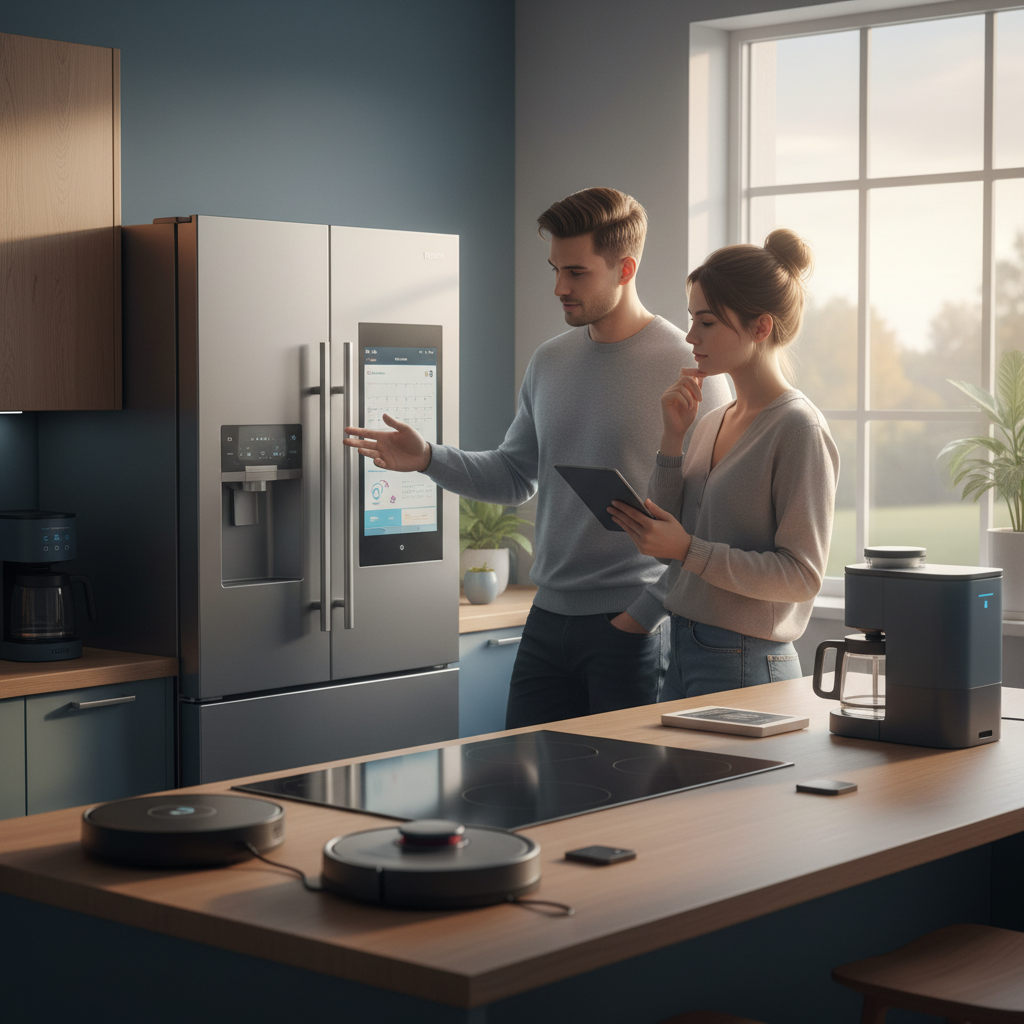
Why Smart Appliances Matter in 2026
Smart appliances aren’t just about showing off; they offer real, tangible benefits. They’re designed to make life easier, more efficient, and more sustainable. Here’s why you should care:
* **Convenience:** Imagine preheating your oven on your way home from work or getting a notification on your phone when the laundry cycle is done. Smart appliances provide remote control and automation, saving you time and effort.
* **Efficiency:** Smart appliances often come with energy-saving features, helping you reduce your utility bills and your carbon footprint. For example, smart dishwashers and washing machines can optimize water and detergent use.
* **Improved Performance:** AI and machine learning are being integrated into appliances to learn your preferences and optimize performance. Smart ovens can suggest cooking times and temperatures, while refrigerators can track your food inventory and suggest recipes.
Common Misconceptions and Pitfalls
However, the transition to smart appliances isn’t always smooth sailing. Here are some common misconceptions and problems to watch out for:
* **Over-Automation:** It’s tempting to automate everything, but sometimes “too much” can create more problems than it solves. Overly complex automations can be difficult to manage and troubleshoot.
* **Security Risks:** Smart appliances are connected devices, which means they are vulnerable to cyberattacks. Default passwords, outdated firmware, and unsecured Wi-Fi networks can leave your home open to intruders.
* **Compatibility Issues:** Not all smart devices work seamlessly together. Before investing in a smart home ecosystem, ensure the devices are compatible and can integrate with your chosen hub or platform.
Smart Usage and Maintenance Habits for Long-Term Success
So, how do you make the most of your smart appliances and keep them running smoothly? Here are some practical tips:
* **Prioritize Security:** Change the default passwords on all your smart devices and your Wi-Fi router. Enable multi-factor authentication wherever possible. Consider putting your smart devices on a separate “guest” network to isolate them from your more sensitive data.
* **Keep Firmware Updated:** Regularly check for and install firmware updates for your appliances. Updates often include security patches and bug fixes that can improve performance and protect against vulnerabilities.
* **Establish a Maintenance Schedule:** Regular maintenance is crucial for extending the lifespan of your appliances. This includes cleaning condenser coils on your refrigerator, inspecting door seals, and cleaning filters. A well-maintained appliance operates more efficiently and consumes less energy.
* **Monitor Energy Usage:** Use smart plugs and energy monitors to track the energy consumption of your appliances. This can help you identify energy hogs and adjust your usage habits accordingly.
Future-Proofing Your Home Tech
The smart home landscape is constantly evolving, so how do you ensure your investments remain relevant? Here’s what to consider:
* **Embrace Open Standards:** Look for appliances that support open standards like Matter. Matter is a new standard designed to ensure interoperability between different smart home devices and platforms.
* **Focus on Energy Efficiency:** Energy-efficient appliances will continue to be a priority. Look for ENERGY STAR certified products and consider features like adaptive compressors and smart energy grids.
* **Prioritize Longevity and Repairability:** The trend is towards appliances built for longevity and ease of repair. Choose models with modular components that can be easily replaced, extending their lifespan and reducing waste.
The rise of AI is also creating highly personalized household appliances. Smart ovens learn your cooking preferences, while refrigerators track your ingredients and suggest recipes. As smart homes become more integrated, expect AI to handle many routine kitchen tasks more efficiently.
Frequently Asked Questions
Here are some common questions about smart appliances and their maintenance:
**1. Are smart appliances worth the investment?**
Yes, if you choose the right ones. Smart appliances offer convenience, efficiency, and improved performance. However, prioritize features that align with your needs and lifestyle.
**2. How do I protect my smart appliances from hackers?**
Secure your Wi-Fi network with a strong password and enable multi-factor authentication. Keep your appliance firmware updated and consider using a separate network for your smart devices.
**3. How often should I clean the condenser coils on my refrigerator?**
It is recommended to clean condenser coils every 6 months to 1 year to prevent overheating.
**4. What are the best smart home hubs in 2026?**
The best smart home hubs in 2026 depend on your specific needs, but some popular options include the Samsung SmartThings Station, Amazon Echo Show 11, and Google Nest Hub Max.
**5. How can I save energy with my appliances?**
Use ENERGY STAR certified appliances, wash laundry in cold water, and run your dishwasher only when full. Unplug devices when not in use, and consider using a power strip to cut off power. You can also explore smart energy management systems, which can help you identify “unseen energy thieves” in your home, and make informed decisions. Learn more in our related article: [The Unseen Energy Thieves in Your Home: A Practical Guide to Smart Energy Management](The Unseen Energy Thieves in Your Home: A Practical Guide to Smart Energy Management).
**6. How do I make my smart home less overwhelming?**
Start small and gradually add devices. Prioritize devices that solve specific problems or meet your most pressing needs. Consider using a central hub to manage all your devices from a single interface.
**7. What should I look for in a future-proof appliance?**
Choose appliances that support open standards like Matter, prioritize energy efficiency, and consider models with modular components for easy repair.
**8. How can I match my appliances with my home decor?**
Choose appliances with customizable panels and finishes. Stainless steel is no longer the only option, with warm neutrals, matte finishes, and custom colors becoming popular. Built-in designs can also provide a seamless look.
Living with smart appliances can enhance your home life, and with a little planning and maintenance, you can ensure that your investments continue to serve you well into the future. For more tips and advice, explore the resources available at [Josephs Well](Josephs Well).