It’s a familiar story, isn’t it? You’re rushing to get dinner ready after a long day. You realize you’re out of milk, but you *swear* you bought some. Then, the washing machine beeps – the load’s done, but you’re still stuck in a work meeting. This is where smart appliances were supposed to swoop in and save the day. But have they delivered on their promises? And more importantly, how can you navigate the world of smart home tech in 2026 without getting frustrated or ripped off?
Why Smart Appliances? The Promise and the Reality
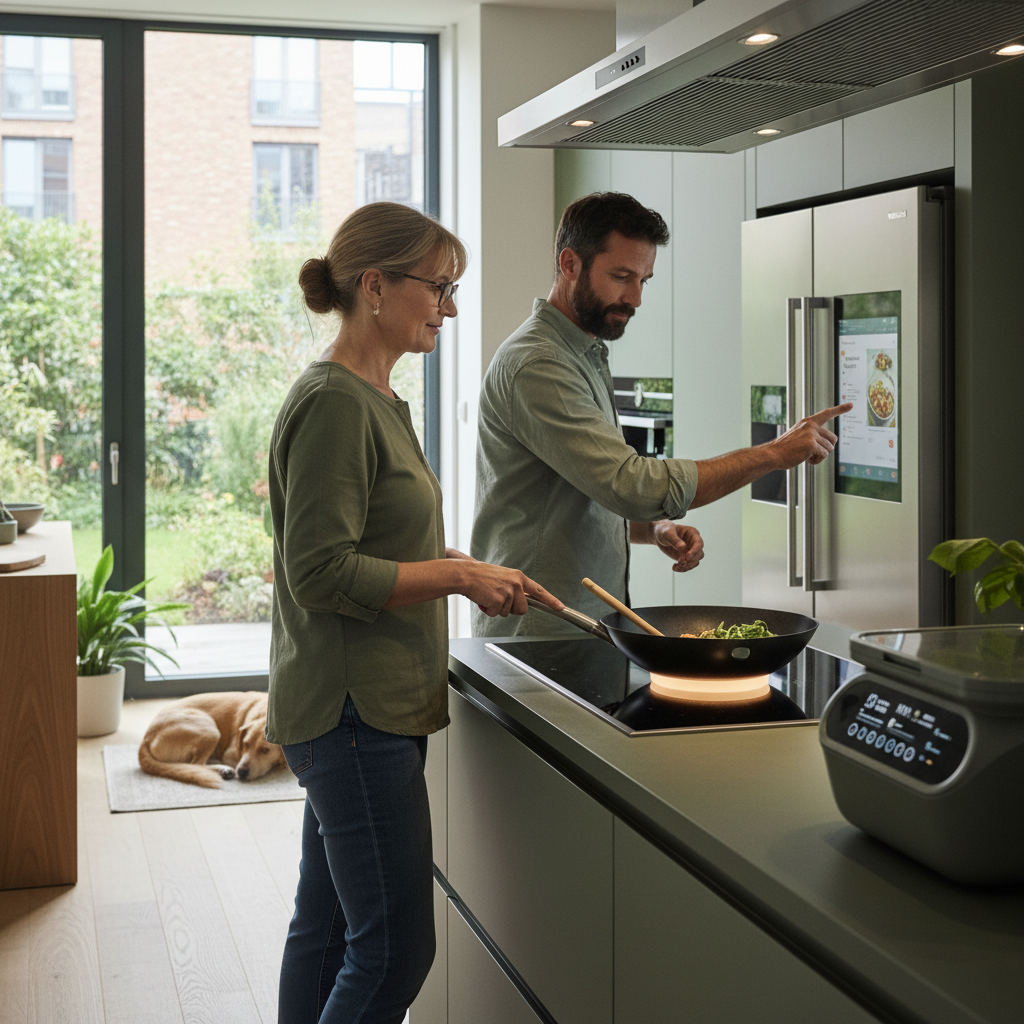
The idea behind smart appliances is simple: make life easier. They offer convenience, energy efficiency, and a level of control we never had before. Imagine a refrigerator that tracks what you have and suggests recipes, or a washing machine that you can start remotely. These features promise to streamline your day, reduce food waste, and save you money on your utility bills.
But the reality can be a bit more complicated. Setting up smart devices can be tricky. They often require a stable Wi-Fi connection and compatible apps, and dealing with software glitches and updates can be frustrating. Furthermore, the initial cost of smart appliances is often higher than traditional models. So, are they worth it? Absolutely, *if* you know what you’re getting into.
Common Problems and Pitfalls: What Can Go Wrong?
Even with the best intentions, smart appliances can present some unique challenges. Here are some of the most common issues you might encounter:
- Connectivity Chaos: Wi-Fi is the lifeline of any smart appliance. Weak signals or network outages can render your appliance useless, preventing remote control and smart features.
- Software Struggles: Software updates are necessary for performance and security. However, buggy updates can cause appliances to malfunction. Outdated software can also leave your appliance vulnerable to security risks.
- Sensor Snafus: Many smart appliances rely on sensors to function correctly. Dirty or faulty sensors can lead to inaccurate readings, affecting performance and efficiency.
- Security Snags: Any device connected to the internet can be a target for hackers. Smart appliances are no exception. Data breaches and unauthorized access are a real concern.
These problems may seem daunting, but don’t let them scare you off. Smart appliances *can* make a positive difference in your home. It’s all about being informed and prepared.
Smart Usage & Maintenance in 2026: Tips for the Savvy Homeowner
Knowing how to use and maintain your smart appliances is key to maximizing their benefits and minimizing the headaches. Here’s how to stay ahead of the curve:
1. Network Nirvana: Securing Your Connection
A strong, secure Wi-Fi network is the foundation of your smart home.
- Choose a Strong Router: Invest in a reliable router that supports the latest Wi-Fi standards. Consider a mesh network for larger homes to ensure consistent coverage.
- Secure Your Network: Use a strong password and enable encryption. Change the default password on your router. Consider setting up a separate network just for your smart devices to isolate them from your primary network.
- Keep an Eye on Bandwidth: Too many devices can slow down your network. Monitor your bandwidth usage and consider upgrading your internet plan if necessary.
2. Software Savvy: Keeping Things Updated
Regular software updates are essential for performance, security, and new features.
- Enable Automatic Updates: If your appliance allows it, enable automatic updates to ensure you always have the latest software.
- Check Regularly: Even if you have automatic updates enabled, check for updates manually every month or two.
- Read the Release Notes: Before installing an update, read the release notes to understand what’s changing and if there are any known issues.
3. Sensor Sense: Cleaning and Care
Sensors are the unsung heroes of smart appliances. Keeping them clean is crucial.
- Follow the Manual: Refer to your appliance’s manual for instructions on how to clean sensors.
- Use the Right Tools: Use a soft cloth or a brush designed for electronics. Avoid harsh chemicals or abrasive cleaners.
- Clean Regularly: Clean sensors and filters at least every three months to prevent malfunctions and maintain efficiency.
4. App Awareness: Mastering the Mobile Interface
The companion app is your primary interface for controlling and monitoring your smart appliance.
- Download the Official App: Always use the official app provided by the manufacturer.
- Keep the App Updated: Update your app regularly to ensure compatibility and access to the latest features.
- Familiarize Yourself with the Features: Take the time to explore the app’s features and settings.
- Check Notifications: Pay attention to notifications from the app. They can alert you to maintenance needs, potential problems, or low supply levels.
5. Routine Inspections: Proactive Prevention
Just like any other appliance, smart appliances benefit from regular inspections.
- Check Seals: Inspect door seals for damage and replace them if necessary.
- Look for Leaks: Check for any signs of leaks or water damage.
- Monitor Performance: Pay attention to how your appliances are performing. Are they taking longer to complete tasks? Are there any unusual noises?
- Schedule Professional Check-Ups: Consider having your appliances inspected by a professional annually.
Future-Proofing Your Home: What to Consider in 2026 and Beyond
As you shop for smart appliances in 2026, keep these future-proofing tips in mind:
- Prioritize Energy Efficiency: Look for appliances with high energy-efficiency ratings to save money and reduce your environmental impact.
- Consider Longevity: Research the expected lifespan of the appliance. Look for brands that provide long-term software support and readily available replacement parts.
- Think About Integration: Choose appliances that integrate with your existing smart home system or that are compatible with popular platforms like Alexa, Google Assistant, or Apple HomeKit.
- Focus on Sustainability: Look for appliances made with eco-friendly materials and that offer features like water conservation.
- Embrace the “Less is More” Philosophy: Don’t get carried away by bells and whistles. Focus on features that will genuinely improve your daily life and streamline your routines.
Frequently Asked Questions (FAQ)
Here are some common questions about smart appliances, answered practically:
- How long do smart appliances last?
The lifespan of a smart appliance can vary. Factors like usage, build quality, and software support all play a role. Generally, expect smart home devices to last anywhere from a few years to over a decade. Smart light bulbs may last longer than smart thermostats.
- What are the most common problems with smart appliances?
Connectivity issues (Wi-Fi problems), software glitches, sensor malfunctions, and security vulnerabilities are some of the most common issues. Regularly updating software, cleaning sensors, and securing your Wi-Fi network can help prevent these problems.
- How can I extend the life of my smart appliances?
Proper maintenance is key. Regularly update software, clean sensors and filters, monitor energy usage, and schedule routine inspections.
- Are smart appliances secure?
Smart appliances can be vulnerable to hacking, so it’s essential to take security seriously. Secure your Wi-Fi network, keep software updated, and change the default passwords.
- Which brands are the most reliable?
Brands like Miele, Fisher & Paykel, and Bosch often receive high marks for quality, reliability, and long-term support. However, the best brand for you depends on your individual needs and preferences.
- Should I buy a smart appliance even if I’m not tech-savvy?
Yes, but approach it with a realistic attitude. Start with one or two smart devices to learn the ropes. Focus on appliances that offer genuine benefits to your lifestyle. Don’t be afraid to ask for help from friends, family, or online resources.
- What are some of the most exciting new smart appliance innovations?
In 2026, look for appliances with enhanced energy efficiency, improved food preservation capabilities, and seamless integration with smart home systems. Invisible induction cooktops and high-speed ovens are some of the exciting innovations to consider.
- What happens if my smart appliance stops receiving software updates?
Without software updates, your appliance may lose functionality, become vulnerable to security threats, and experience performance issues. Consider replacing the appliance or, if possible, keeping it offline to mitigate the risk.
The Bottom Line: Smart Living in 2026
Smart appliances are not a magic bullet, but they are a powerful tool. They offer the potential to make your home more efficient, more convenient, and more enjoyable. By understanding the technology, taking proactive steps to maintain your appliances, and embracing a bit of tech-savvy, you can navigate the smart home revolution and create a living space that truly works for you. Remember that you can always learn more about technology and its impact on your life at [Josephs Well – Homepage]. And, if you are unsure about getting a smart appliance, it may be beneficial to read more about how the “you get what you pay for” mentality does not always apply to technology, at [The Myth of You Get What You Pay For in Tech: Is it Always True?].