We all strive for a comfortable, safe, and efficient home. We invest in appliances, smart home gadgets, and various amenities, but often, the most significant drains on our resources – both financial and environmental – remain hidden in plain sight. These “silent thieves” subtly chip away at our energy savings and safety, contributing to higher bills and a less secure living environment. This article delves into these overlooked areas, offering practical solutions and systems to reclaim control and optimize your smart living experience.
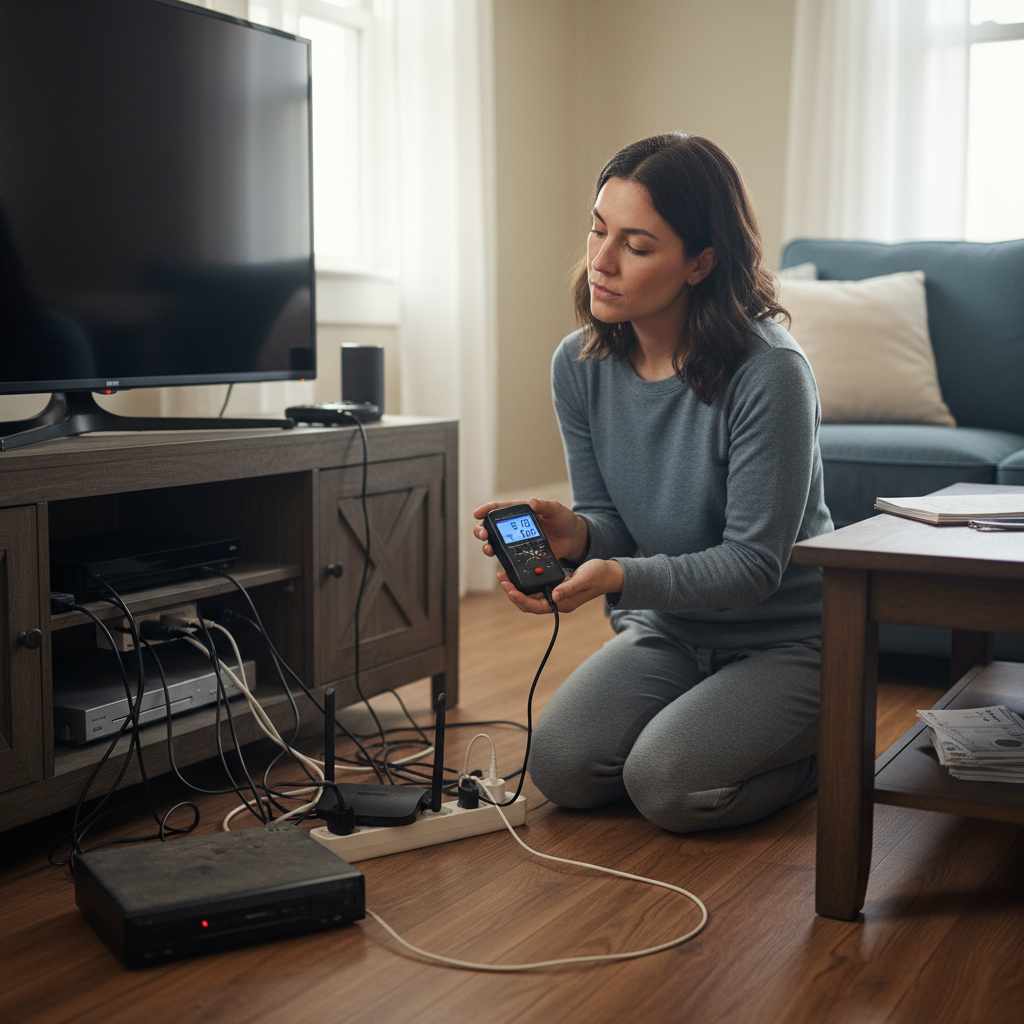
The Energy Vampire Menace
One of the most insidious culprits of wasted energy is the “energy vampire.” These are appliances and electronics that continue to draw power even when turned off or in standby mode. Think of your TV, game consoles, laptops, and phone chargers. Even though they may appear dormant, they’re still consuming electricity, contributing to your monthly bill. This “phantom load” can account for a significant portion of your energy consumption, often between 5% and 10% of your total electricity use. Over the course of a year, this can add up to a considerable amount of wasted money.
**The Habit to Break:** The common habit is to leave devices plugged in, assuming they’re not drawing much power.
**The Systemic Solution:** The simple, yet effective, system is to unplug these devices when not in use. You can also utilize power strips with an on/off switch, allowing you to cut off power to multiple devices at once. Smart plugs, which you can control remotely, offer an even more convenient solution, allowing you to schedule when devices receive power.
Inefficient Lighting: Shining a Light on Waste
Lighting is another area where energy waste is often overlooked. The habit of leaving lights on in empty rooms or using outdated, inefficient light bulbs is a common practice that leads to unnecessary energy consumption and increased costs. Incandescent bulbs, for instance, consume significantly more energy than their LED counterparts.
**The Habit to Break:** Leaving lights on when leaving a room, or not using energy-efficient bulbs.
**The Systemic Solution:** Make a conscious effort to turn off lights when exiting a room. Install LED bulbs throughout your home. LEDs use up to 90% less energy and last much longer than incandescent bulbs. Consider incorporating smart lighting systems that utilize motion sensors or timers to automatically turn lights on and off based on occupancy or schedules.
Laundry Room Efficiency: Washing Away Waste
The laundry room is a hub of potential energy and water waste, often stemming from inefficient practices. Washing full loads, using cold water, and drying clothes efficiently can significantly reduce utility bills.
**The Habit to Break:** Washing small loads of laundry or using hot water for washing. Also, neglecting lint filter cleaning and the overuse of the dryer.
**The Systemic Solution:** Only wash full loads. Wash clothes in cold water whenever possible, as modern detergents are formulated to be effective in cold temperatures. Clean the lint filter after every drying cycle to improve airflow and efficiency. Consider air-drying clothes when feasible to further reduce energy consumption. Implement a simple system for laundry, such as doing one small load a day to keep laundry piles at bay.
The HVAC System: A Gateway to Efficiency
Your heating, ventilation, and air conditioning (HVAC) system can be a major source of energy consumption. If it’s not operating efficiently, it can lead to significant energy waste.
**The Habit to Break:** Neglecting regular filter changes or setting the thermostat too high or too low, especially when away from home.
**The Systemic Solution:** Change your air filters regularly, at least every three months, or as recommended by the manufacturer. Install a programmable or smart thermostat to automatically adjust the temperature based on your schedule and preferences. Ensure your HVAC system is properly sized for your home. Seal air leaks around windows and doors to prevent heated or cooled air from escaping.
Appliance Maintenance: Extending Lifespan and Efficiency
Regular maintenance of appliances is crucial for both safety and efficiency. Dirty or poorly maintained appliances consume more energy and can pose safety hazards.
**The Habit to Break:** Ignoring appliance maintenance, such as cleaning the refrigerator coils or neglecting dishwasher maintenance.
**The Systemic Solution:** Follow manufacturer’s instructions for regular appliance maintenance. Clean refrigerator coils to ensure efficient operation. Clean the lint trap of your dryer after every use. Regularly inspect appliances for any signs of damage or wear and tear. Consider a home appliance health check for smart upgrades and to identify potential issues.
Home Safety Considerations
While focusing on efficiency, it is important to include home safety. Making sure to check for potential hazards is important to ensure a safe environment.
**The Habit to Break:** Not testing smoke alarms and carbon monoxide detectors on a monthly basis, neglecting to inspect electrical cords, and not having an escape plan.
**The Systemic Solution:** Install and maintain smoke detectors and carbon monoxide detectors. Test detectors monthly and replace batteries annually. Inspect electrical cords for fraying or damage and replace worn out cords. Ensure escape routes are clear and practice fire drills.
Smart Home Technology: A Catalyst for Change
Embracing smart home technology can significantly enhance your home’s efficiency and safety. Smart home systems allow for remote control of devices, energy monitoring, and automated adjustments based on your habits and preferences.
**The Habit to Break:** Being hesitant to adopt smart home technology, assuming it’s too complex or expensive.
**The Systemic Solution:** Explore the various smart home devices available, such as smart plugs, smart thermostats, and smart lighting systems. Start small and gradually integrate these technologies into your home. Utilize energy monitoring systems to track your energy consumption and identify areas for improvement.
Cost-Saving Habits Beyond the Basics
Beyond these specific systems and solutions, cultivating a mindset of mindful consumption can significantly impact your home’s efficiency and your overall financial well-being.
**The Habit to Break:** Impulse buying, neglecting to track spending, and not seeking out deals and discounts.
**The Systemic Solution:** Track your spending and create a budget. Plan your meals and cook at home more often. Look for sales and discounts, and consider buying used or refurbished items. Use libraries for books and entertainment.
Long-Term Benefits: Peace of Mind and a Sustainable Lifestyle
Implementing these systems and habits will not only reduce your energy bills and enhance the safety of your home, but it will also lead to a more sustainable lifestyle and a greater sense of peace of mind. By proactively addressing the “silent thieves,” you can create a home that is both efficient and secure, allowing you to enjoy your living space to the fullest. Building smart systems into your daily routine and being mindful of your energy and resource consumption are key components to a more sustainable lifestyle.
Frequently Asked Questions (FAQ)
Here are some answers to common questions about home efficiency and safety:
-
How often should I test my smoke detectors and carbon monoxide detectors?
You should test your smoke detectors and carbon monoxide detectors monthly and replace the batteries at least once a year, ideally when you change your clocks for daylight saving time. -
What are some of the easiest ways to reduce my energy bill?
Unplugging electronics when not in use, switching to LED light bulbs, washing clothes in cold water, and air-drying clothes are all easy and effective ways to reduce your energy bill. -
How can I make my home safer from electrical hazards?
Regularly inspect electrical cords for damage, avoid overloading outlets, and consider having your wiring inspected by a licensed electrician if your home is older. -
What are the benefits of using a smart thermostat?
Smart thermostats can automatically adjust your home’s temperature based on your schedule and preferences, which can lead to significant energy savings and increased comfort. -
How can I make my laundry routine more efficient?
Wash full loads of laundry, use cold water, clean the lint filter after every drying cycle, and air-dry clothes whenever possible. -
How often should I clean my dryer vent?
You should clean your dryer vent at least every three months to prevent lint buildup, which can be a fire hazard and reduce the dryer’s efficiency. -
What are some cost-saving habits beyond energy efficiency?
Meal planning, packing your lunch, using public transportation, and seeking out deals and discounts can all contribute to significant cost savings. -
Where can I find more information about home safety and efficiency?
You can find valuable information from organizations like the International Code Council, the U.S. Department of Energy, and your local energy providers. You can also visit Josephs Well for additional smart living insights.