Every morning, you wake up, shuffle to the kitchen, and start your day. Maybe you brew coffee, take a quick shower, and then rush out the door. You might not realize it, but many of the simple habits we practice every day can lead to significant energy waste. These seemingly insignificant actions can add up, creating a significant drain on your wallet and the environment. This guide will help you identify those “silent thieves” and implement simple, system-level improvements for long-term peace of mind and convenience.
The Everyday Energy Drain: Where Are You Losing Money?
Let’s consider a typical weekday morning. You might:
- Leave lights on in rooms you’re not using.
- Take a longer, hotter shower than necessary.
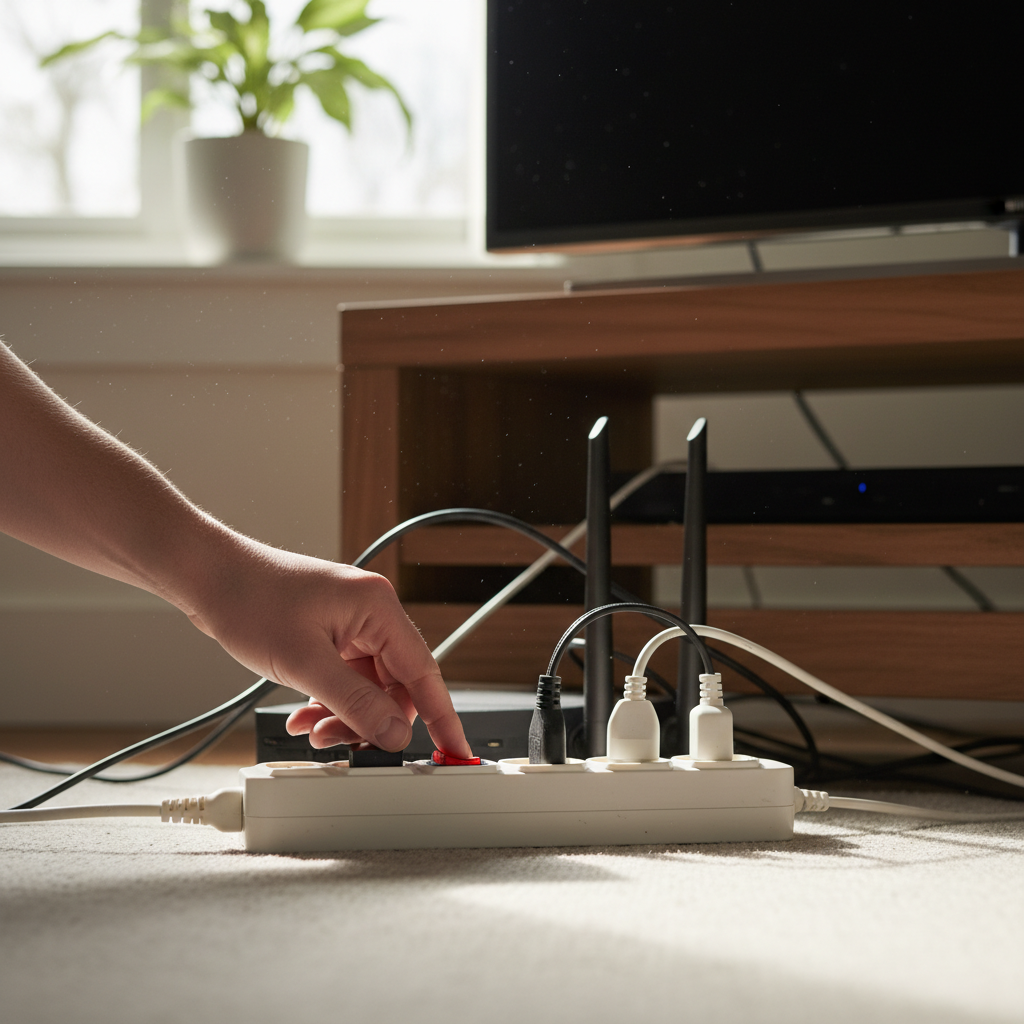
- Leave electronics plugged in, even when turned off (phantom load).
Individually, these actions seem harmless. But over time, these small inefficiencies accumulate, driving up your energy bills. Moreover, they contribute to the demand for electricity, which often relies on fossil fuels, impacting the environment. The good news is that by recognizing these habits, you can take control and make simple changes that yield significant results.
The Overlooked Culprits: Habits You Might Not Even Realize Are Costing You
Many common household habits contribute to energy waste. Often, we don’t realize these actions are problematic.
- Leaving lights on: It’s easy to forget to switch off lights when leaving a room. This is a simple fix, but many people overlook it.
- Using incandescent bulbs: These older bulbs convert most of their energy into heat, not light, making them highly inefficient.
- Long showers: Hot water heaters account for a significant portion of home energy use.
- Phantom loads: Devices like TVs, computers, and phone chargers consume energy even when turned off.
- Inefficient appliance use: Running the dishwasher or washing machine when not fully loaded wastes water and energy.
- Ignoring air leaks: Drafts from windows, doors, and other areas of the house allow heated or cooled air to escape.
These habits, ingrained in our routines, lead to unnecessary energy consumption.
The Risks and Inefficiencies: What’s at Stake?
Beyond the financial cost, energy waste has other consequences.
- Higher energy bills: This is the most direct impact. Energy-wasting habits translate directly into increased expenses.
- Environmental impact: Increased energy consumption means more demand on power plants, which often rely on fossil fuels.
- Reduced home comfort: Air leaks and poor insulation make it harder to maintain a comfortable temperature.
- Wear and tear on appliances: Appliances that have to work harder due to inefficiencies may have a shorter lifespan.
Common Wrong Habits: What Are You Doing Wrong?
Here are some specific habits that contribute to energy waste:
- Leaving electronics plugged in: Many devices consume “phantom power” even when turned off.
- Using hot water for everything: Washing clothes in hot water uses significantly more energy than cold water.
- Not using a programmable thermostat: This is a missed opportunity to optimize your heating and cooling.
- Ignoring air leaks: Failing to seal gaps around windows and doors wastes a lot of energy.
- Running appliances at peak hours: Using major appliances during peak demand times can be more expensive.
Simple System-Level Improvements: Making a Change That Matters
The good news is that you can implement system-level improvements without overhauling your entire lifestyle.
- Unplug electronics: Make a habit of unplugging chargers, TVs, and other devices when not in use. Consider using smart power strips to cut off power to multiple devices at once.
- Switch to LED bulbs: LEDs use significantly less energy and last much longer than incandescent bulbs.
- Install a smart thermostat: These devices learn your habits and automatically adjust the temperature to save energy.
- Seal air leaks: Caulk and weatherstrip windows and doors to prevent drafts.
- Use appliances efficiently: Run the dishwasher and washing machine only when full and use the energy-saving settings.
- Consider a Home Energy Monitor: These devices track your energy usage and can help pinpoint waste, often with appliance-level detail. You can then use the data to make informed choices.
By implementing these changes, you can create a more energy-efficient home and experience long-term benefits.
Modern Lifestyle Relevance: Why This Matters More Than Ever
In today’s fast-paced world, energy efficiency is more crucial than ever.
- Rising energy costs: With energy prices fluctuating, every kilowatt-hour saved translates directly into savings.
- Environmental awareness: Many people are increasingly concerned about their carbon footprint.
- Smart home technology: Integrating energy-efficient practices with smart home systems makes it easier to automate and optimize energy use.
By adopting these practices, you align your lifestyle with both financial and environmental priorities.
Long-Term Peace & Convenience Benefits: Beyond the Immediate Savings
The benefits of energy efficiency extend beyond lower bills.
- Reduced stress: Knowing you’re using energy wisely provides peace of mind.
- Improved home comfort: Addressing air leaks and improving insulation creates a more comfortable living environment.
- Increased home value: Energy-efficient homes are often more attractive to buyers.
- Contributing to sustainability: You can feel good about reducing your environmental impact.
These long-term benefits enhance your overall quality of life.
FAQ: Your Questions Answered
- How much money can I save by implementing these changes? The amount varies depending on your current habits and your home, but it’s possible to save hundreds of dollars a year.
- Is it worth the investment to replace old appliances with energy-efficient models? Yes, over the lifespan of the appliance, the savings on energy bills will often offset the initial cost.
- How do I find air leaks in my home? Conduct a visual inspection of windows and doors. Feel for drafts, especially on windy days. Check for gaps or cracks and use a candle to detect air movement.
- What is a phantom load? It’s the electricity consumed by electronics and appliances when they are turned off but still plugged in.
- Are smart thermostats really effective? Yes, studies show that smart thermostats can save you 10–12% on heating and 15% on cooling costs annually.
- What are some other simple tips to save energy? Turn off lights when leaving a room, take shorter showers, and wash clothes in cold water.
- Where can I find help with a home energy audit? Many utility companies offer free or low-cost home energy audits. You can also find DIY guides online.
- What is a good starting point for improving home energy efficiency? Start with an energy audit, identify the biggest energy drains, and begin implementing the solutions that will have the most significant impact on your energy usage and expenses. You can also research related articles to discover further money-saving tips.
By taking these steps, you can transform your home into a more efficient and sustainable living space. Learn more about simple ways to enhance your life at Josephs Well.