Every morning, the sun streams through the window, signaling a fresh start. You make your way to the kitchen, flip on the coffee maker, and start your day. Throughout the day, a constant hum of activity fills your home: lights flicker on, the refrigerator diligently keeps food cold, and the television provides background noise. But, are you aware of the silent energy drain subtly eating away at your wallet and the environment? It’s time to uncover the often-overlooked inefficiencies in your home and implement simple yet effective changes.
The Everyday Energy Audit: Where Does Your Energy Go?
The average household is a complex web of energy consumption. While we often focus on major appliances like the refrigerator or the air conditioner, a multitude of small habits and overlooked systems contribute significantly to your monthly energy bill. Understanding these common culprits is the first step toward a more energy-efficient lifestyle.
The Usual Suspects:
- Lighting: Leaving lights on in empty rooms is a classic, easily correctable mistake. Incandescent bulbs are energy hogs, while even modern CFLs can be improved upon with the shift to LEDs.
- HVAC Overuse: Heating and cooling your home accounts for over 50% of your electricity bill. Setting your thermostat too high in winter or too low in summer, or failing to maintain your system, drastically increases energy consumption.
- Appliance Inefficiency: Old refrigerators, washing machines, and dryers are energy guzzlers. Even new appliances can be inefficient if used improperly.
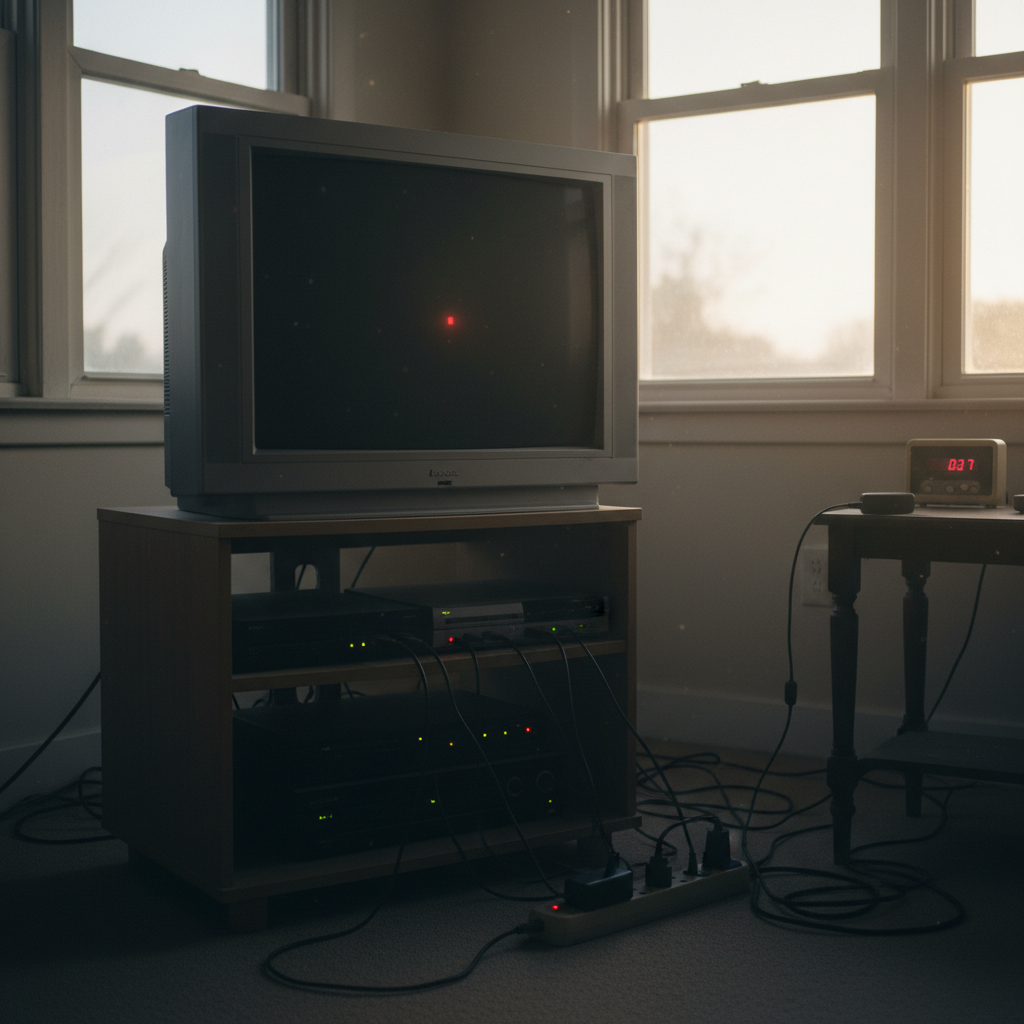
- Phantom Loads: Electronics in standby mode—televisions, game consoles, chargers—continue to draw power, even when turned “off”.
- Air Leaks: Drafty windows, doors, and poorly insulated attics allow conditioned air to escape, forcing your HVAC system to work harder.
These seemingly minor oversights can add up to a significant drain on your resources. But, awareness is the first step toward change.
Why We Overlook These Inefficiencies
Why do these energy-wasting habits persist? Several factors contribute to our collective oversight:
- Habit and Convenience: Many of these habits are deeply ingrained in our daily routines. We flip on a light without a second thought or leave the TV on “just in case”.
- Lack of Awareness: We may not fully understand the impact of small actions on our overall energy consumption.
- Out of Sight, Out of Mind: The energy bill arrives once a month, making it easy to disconnect from the daily energy consumption in our homes.
- Misinformation: Old wives’ tales and outdated beliefs can lead to inefficient practices.
Breaking these patterns requires a conscious effort to examine and adjust your home habits and systems.
The Hidden Costs and Risks
Beyond the financial implications, these overlooked inefficiencies carry several costs and risks:
- Increased Energy Bills: Wasted energy translates directly into higher monthly expenses. Even small inefficiencies add up over time.
- Environmental Impact: Increased energy consumption contributes to greenhouse gas emissions and accelerates climate change.
- Reduced Home Comfort: Drafts, uneven temperatures, and outdated appliances can make your home less comfortable and enjoyable.
- Appliance Wear and Tear: Overworking your HVAC system can shorten its lifespan and lead to costly repairs.
By addressing these issues, you not only save money but also contribute to a more sustainable and comfortable living environment.
Breaking Bad Habits: Simple System-Level Improvements
Transforming your home from an energy guzzler to an energy-efficient haven doesn’t require drastic measures. Instead, implement these simple system-level improvements for long-term peace and convenience:
1. Smart Lighting Strategies
- LED Upgrade: Replace all incandescent and CFL bulbs with LEDs. LEDs use up to 75% less energy and last much longer.
- Smart Bulbs and Switches: Install smart bulbs that you can control via your smartphone, or use smart switches for convenient automation.
- Motion Sensors: Install motion sensors in high-traffic areas like hallways, bathrooms, and closets to automatically turn lights on and off.
- Maximize Natural Light: Open blinds and curtains during the day to reduce your reliance on artificial lighting.
2. HVAC Optimization
- Smart Thermostat: Install a programmable or smart thermostat to automatically adjust the temperature based on your schedule.
- Regular Maintenance: Change air filters regularly (every 1–3 months) to ensure optimal airflow and efficiency.
- Seal Air Leaks: Seal gaps around windows, doors, and in your attic to prevent air leakage.
- Insulation: Ensure proper insulation in your attic, walls, and floors.
3. Appliance Efficiency Boost
- Energy-Efficient Appliances: When replacing appliances, choose ENERGY STAR-certified models. These use less energy, and may even offer rebates.
- Proper Usage: Run your dishwasher and washing machine only when fully loaded.
- Cold Water Washing: Wash clothes in cold water whenever possible to save on water heating energy.
- Unplug Electronics: Unplug chargers and other electronics when not in use, or use a power strip to easily turn off multiple devices.
4. Water Heating Wisdom
- Lower the Temperature: Set your water heater to 120°F (49°C) to reduce energy consumption.
- Low-Flow Fixtures: Install low-flow showerheads and faucet aerators to reduce water usage.
- Insulate the Tank: Insulate your hot water tank (if it’s not already) to reduce heat loss.
5. Review and Adapt
- Conduct a Home Energy Audit: Many utility companies offer free or low-cost home energy audits. These assessments can identify areas where you can improve efficiency.
- Monitor Your Energy Usage: Keep an eye on your monthly energy bills to track your progress and identify areas for further improvement.
- Adjust as Needed: Your needs and habits will evolve. Review your energy-saving strategies periodically to ensure they still align with your lifestyle.
Modern Lifestyle Relevance
In today’s fast-paced world, efficiency is more crucial than ever. The principles of smart living—saving energy, time, and money—are now core components of a sustainable lifestyle. These small, yet impactful changes align with modern trends:
- Sustainability: Energy efficiency is at the forefront of the sustainability movement, as people become more environmentally conscious.
- Smart Home Technology: Smart home devices, such as smart thermostats and lighting controls, seamlessly integrate into modern life, making energy management easier than ever.
- Cost Consciousness: Rising energy costs make energy efficiency an economic imperative for homeowners.
- Convenience: Automating energy-saving tasks, such as turning off lights or adjusting the thermostat, frees up valuable time and mental energy.
Embracing energy-efficient practices is not just about saving money; it’s about aligning your lifestyle with the values of the 21st century.
Long-Term Peace & Convenience Benefits
The rewards of adopting energy-efficient habits extend far beyond the immediate financial savings. They create a more comfortable, convenient, and peaceful living environment:
- Financial Security: Lower energy bills provide greater financial stability and peace of mind.
- Enhanced Comfort: Consistent temperatures, reduced drafts, and improved indoor air quality contribute to a more comfortable home.
- Environmental Stewardship: Reducing your carbon footprint aligns with your values and contributes to a healthier planet.
- Reduced Maintenance: By optimizing your appliances and systems, you can extend their lifespan, reducing the need for repairs and replacements.
- Convenience: Once established, energy-efficient habits become second nature, freeing up your time and mental energy.
Energy efficiency becomes a cornerstone of your smart home. By adopting these strategies, you create a home that is more efficient, comfortable, and sustainable, allowing you to focus on the things that truly matter.
If you’re interested in learning more about how to make smart decisions, check out The Pocket Paradox: Navigating the Smartphone’s Grip in 2026.
For more home tips and helpful guides, visit Josephs Well.
Frequently Asked Questions (FAQ)
1. How much money can I realistically save by implementing these strategies?
Savings vary based on your existing habits, the size of your home, and your local energy costs. However, by implementing several of these tips, you can often save hundreds of dollars per year on your energy bills. Energy-efficient appliances and proper insulation typically offer the most significant returns.
2. Are there any government incentives or rebates available for energy-efficient upgrades?
Yes, many local, state, and federal programs offer rebates, tax credits, and other incentives for energy-efficient upgrades, such as insulation, new windows, and ENERGY STAR appliances. Check with your local utility company and government agencies to learn about available programs.
3. How often should I replace my HVAC air filter?
Generally, you should replace your air filter every 1–3 months, depending on the type of filter and the level of dust and debris in your home. Regularly checking the filter can help determine when it’s time for a replacement.
4. Is it worth upgrading to ENERGY STAR appliances?
Yes! ENERGY STAR appliances use significantly less energy and water than standard models, while still providing the same level of performance. This can lead to substantial savings on your energy bills over the lifespan of the appliance.
5. What’s the best way to identify air leaks in my home?
One simple method is to walk through your home on a windy day and feel for drafts around windows, doors, and electrical outlets. You can also hire a professional energy auditor, who can perform a blower door test to identify air leaks more accurately.
6. Should I turn off my water heater when I go on vacation?
Yes, if you’ll be away for an extended period, turning off or setting your water heater to the vacation or pilot setting can save energy and money.
7. Are smart home devices secure?
Smart home technology can be very secure, as long as you use strong passwords, update the software, and choose devices from reputable companies.
8. Where should I start if I want to improve my home’s energy efficiency?
Begin with a home energy audit to identify your biggest energy wasters. Then, prioritize the most cost-effective upgrades, such as switching to LED lighting, sealing air leaks, and using a smart thermostat.