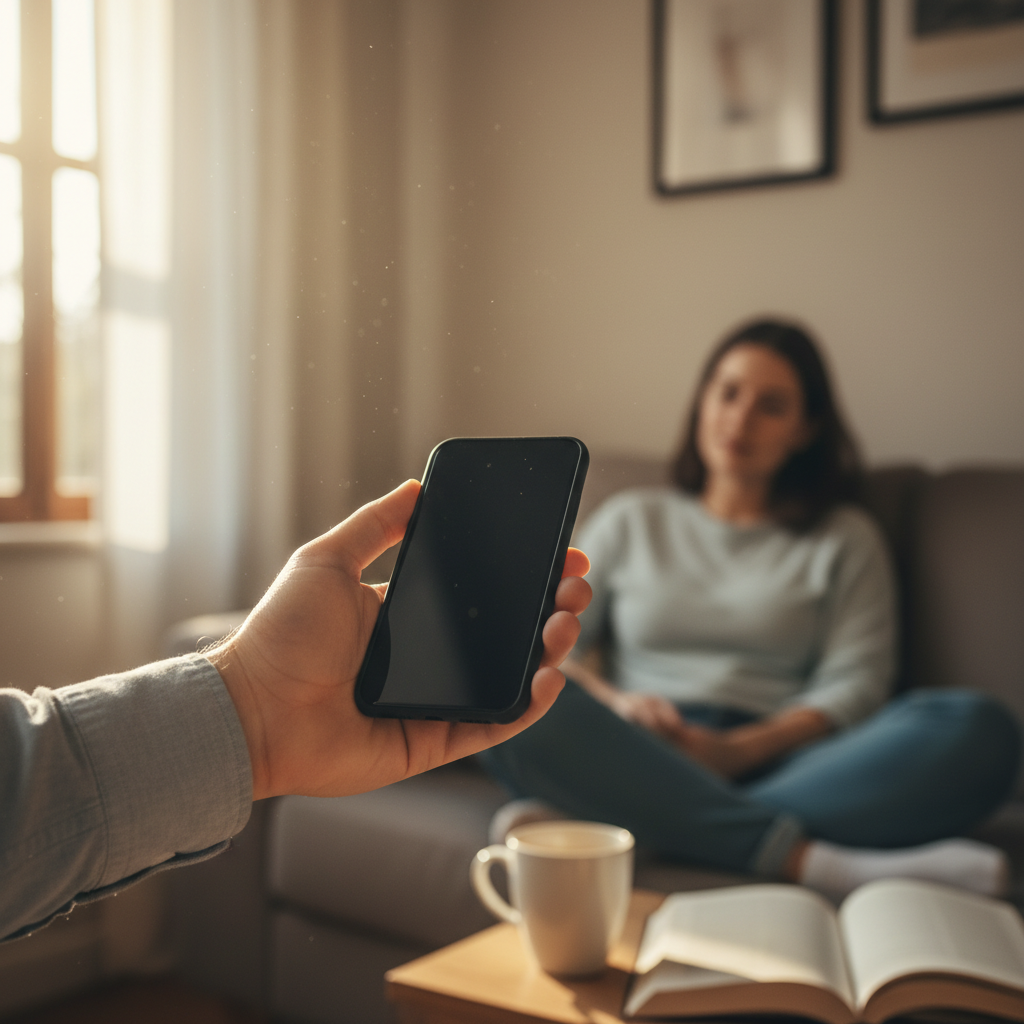
It’s a familiar scene, isn’t it? The quiet moments of the day – waiting for the kettle to boil, a lull in a conversation, that first pause after waking up. Where does your hand go? If you’re like a lot of people, it’s a near-automatic movement. Reaching for your phone. It’s become a ritual, a reflex, a digital extension of ourselves.
How It Became Normal
Think back. Not that long ago, phones were for calls, maybe the occasional text. Now, they’re mini-computers, entertainment centers, social hubs, and productivity tools all rolled into one. This shift happened gradually. App by app, feature by feature, we absorbed the phone into our daily lives.
* **The Rise of Apps:** Each new app offered a novel way to fill time, connect with others, or get things done. Social media, games, news, shopping—the phone became a one-stop shop.
* **Always-On Connectivity:** The promise of instant information and connection was intoxicating. Suddenly, we were reachable anywhere, anytime. Notifications became the siren song, pulling us back in.
* **Design for Engagement:** Apps are designed to keep us hooked. They use techniques that tap into our psychology, such as continuous scrolling, push notifications, and personalized content, to trigger habitual and compulsive phone use.
This constant availability, the lure of the next update, the curated feeds – they’ve all worked in concert to make reaching for your phone a normalized behavior. It’s a habit we often don’t even question.
The Hidden Costs: Focus, Time, and Routine
While convenient, this ritual reach comes with a cost. It subtly erodes our focus, reshapes our perception of time, and disrupts our routines.
* **The Attention Tax:** Every time you switch tasks – from reading a book to checking your notifications – your brain has to work to re-focus. This constant task-switching can lead to a significant loss of productivity and a decrease in cognitive function.
* **Time Distortion:** Scrolling through social media, browsing endless articles – it’s easy to lose track of time on your phone. What seems like a few minutes can quickly become an hour or more, eating into your day. Americans spend an average of 5 hours and 16 minutes per day on their phones.
* **Routine Disruption:** The late-night scroll, the phone next to the bed – these habits can interfere with sleep, making it harder to establish healthy routines. The blue light emitted from phones can also disrupt sleep patterns.
These hidden effects accumulate over time. They can lead to mental exhaustion, reduced productivity, and a general feeling of being overwhelmed.
Common Mistakes We Repeat
We all fall into traps. Here are some of the most common phone-related mistakes:
* **Mindless Checking:** Reaching for your phone out of habit, even when there’s nothing specific you need to do.
* **Multitasking Madness:** Trying to do too many things at once while using your phone, like responding to emails while watching TV. Multitasking has been proven to be inefficient, causing decreased productivity, exhaustion, and increased errors.
* **Ignoring Boundaries:** Letting phone use bleed into personal time, like checking work emails during dinner or scrolling through social media before bed.
* **FOMO-Fueled Scrolling:** Constantly checking for updates, fearing you’ll miss something important.
Recognizing these patterns is the first step toward change.
Shifting the Habit: Simple, Realistic Steps
Breaking a habit is never easy, but even small changes can make a difference. Here are some shifts you can try:
* **Phone-Free Zones:** Designate areas in your home or office as “phone-free” zones – the dinner table, the bedroom, your workspace.
* **Scheduled Breaks:** Set specific times to check your phone, rather than reaching for it constantly.
* **App Limits:** Use built-in features or apps to set daily limits on your social media or other distracting apps.
* **Mindful Moments:** Before you reach for your phone, take a breath. Ask yourself: “Do I *need* to check this right now, or am I just doing it out of habit?”
* **Embrace the “Boredom”:** Learn to be comfortable with moments of inactivity. The quiet spaces in your day can be opportunities for creativity, reflection, or simply enjoying the present moment.
These adjustments are not about complete digital detox. They’re about regaining control and creating a healthier relationship with your device.
Modern Relevance: Apps and Devices in 2026
The technology is always evolving. Here are a few ways the current landscape impacts our digital habits.
* **AI-Powered Insights:** Your phone already knows a lot about your habits. AI is getting smarter, offering personalized recommendations. This can be helpful, but also reinforces existing patterns.
* **Wearable Tech:** Smartwatches and other wearables can add another layer of constant connection. The key is to use these tools mindfully, not letting them add to the feeling of being overwhelmed.
* **The Rise of Digital Wellness:** More and more people are becoming aware of the importance of digital well-being. This is creating a market for tools and apps that help manage screen time and promote healthier habits.
The trend is toward more personalized tech experiences. The challenge is to find the right balance, to make technology work for you, not the other way around. If you are interested in bettering your experience with technology, you might want to consider related articles for more information.
FAQ: Your Questions Answered
Here are some common questions about phone habits, answered honestly and practically.
**1. Why do I feel so anxious when I *don’t* have my phone?**
It’s called “nomophobia” – the fear of being without your phone. It’s a sign that you’ve become overly reliant on your device for connection, information, or entertainment. Recognize the feeling and try to gradually spend more time disconnected.
**2. How do I stop checking my phone first thing in the morning?**
Try putting your phone in another room at night. When you wake up, focus on a morning routine that *doesn’t* involve your phone – exercise, meditation, reading.
**3. Is it really *that* bad to check work emails after hours?**
It depends. If it leads to stress or interferes with your personal life, it’s a problem. Set boundaries and communicate them to your colleagues.
**4. How do I deal with the “fear of missing out” (FOMO)?**
Recognize that you *will* miss things, and that’s okay. Focus on what’s happening in your present life. Unfollow accounts or mute notifications that trigger FOMO.
**5. Are there any apps that can help?**
Yes! Many apps are designed to track screen time, set limits, and encourage healthy habits. Try exploring options like “Moment,” or “Fabulous.” Also, apps like “Breathe2Relax” can help with managing anxiety.
**6. Should I completely avoid social media?**
Not necessarily. It depends on your goals and how it affects you. If it’s a source of negativity or time-wasting, consider limiting your use. If it helps you connect with friends and family, use it intentionally.
**7. How can I make my phone use more productive?**
Use your phone as a tool, not a distraction. Set specific goals for your phone time, like using it for learning, connecting with loved ones, or managing tasks.
**8. I feel like I’m always multitasking. Is that a problem?**
Yes. Studies show that multitasking reduces productivity and increases mistakes. Try focusing on one task at a time. Put your phone away, close unnecessary tabs, and focus on the current task.
The Balanced Approach
It’s about finding a sweet spot. Not complete abstinence, but mindful engagement. The phone isn’t the enemy. It’s a tool. Your goal is to wield it intentionally, not be controlled by it. It is about understanding your habits and making small changes that create a healthier balance in your digital life. Remember, the journey towards digital well-being is not about perfection, but about progress.