Picture this: It’s a Saturday morning. You’re finally catching up on some sleep, but your washing machine is going haywire. Not the actual washing part, mind you, but the notifications. It’s pinging your phone every five minutes. “Cycle complete!” “Time to unload!” “Your whites are sparkling!” You love technology, but at this moment, you just want some peace and quiet. Sound familiar? That’s the modern smart washing machine experience for many of us in 2026. It’s a world of convenience, yes, but also a world where you’re managing a machine that thinks it needs constant attention.
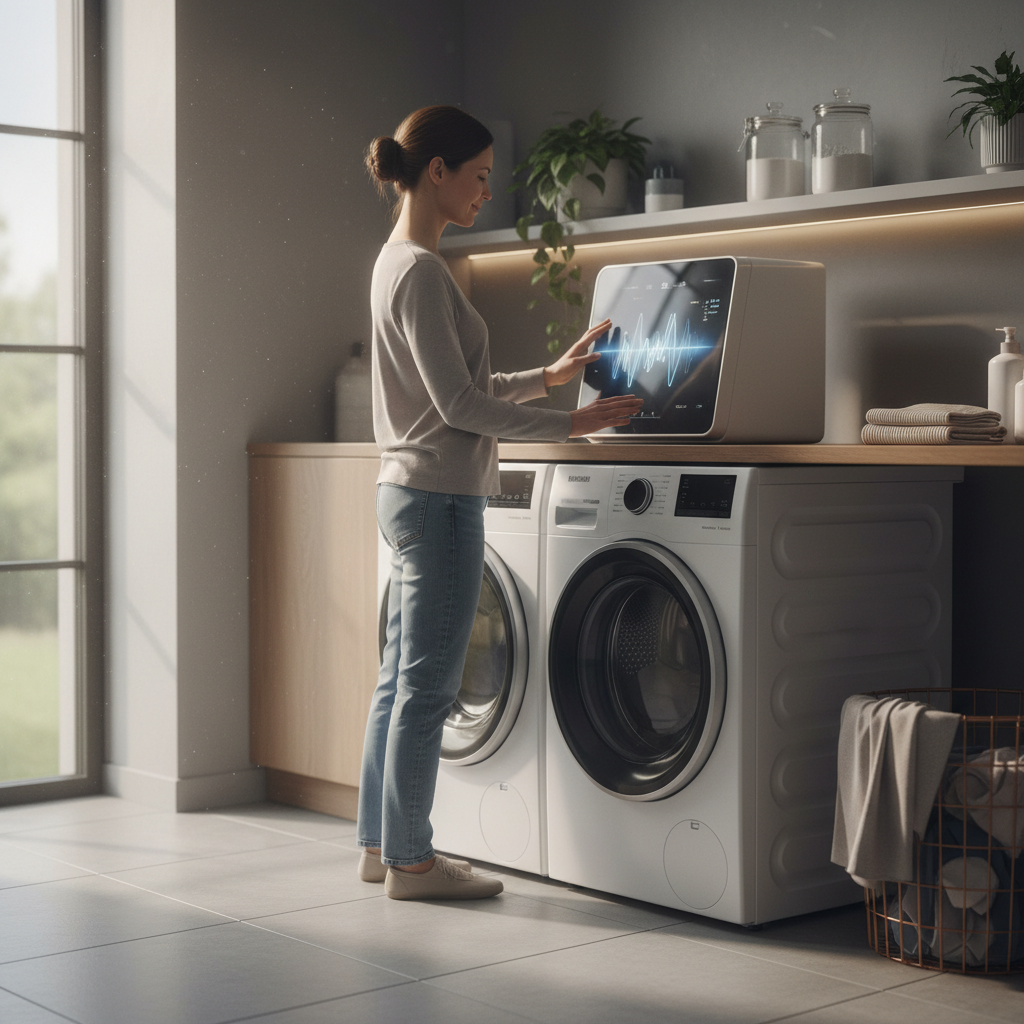
I’ve been there. I’ve lived it. For over twenty years, I’ve had a front-row seat to the evolution of home appliances. I’ve seen the shift from basic, reliable machines to the connected, data-driven marvels we have today. And believe me, the smart washing machine is a prime example of both the promise and the pitfalls of the smart home.
Why We Fell in Love with Smart Washing Machines (And Why We Sometimes Regret It)
The allure of a smart washing machine is undeniable. It offers a level of convenience that, on paper, is hard to resist. Here’s a quick rundown of the main selling points:
- Remote Control: Start, stop, and monitor cycles from your phone. Need to wash a load while you’re at the office? No problem.
- Notifications: Get alerts when a cycle is complete, when it’s time to add detergent, or even if there’s a problem.
- Customizable Cycles: Fine-tune wash settings for specific fabrics and stain types.
- Energy Efficiency: Some models offer features that optimize water and energy usage.
- Integration with other smart devices: Connect your washer to your smart home ecosystem (like Alexa or Google Home) for voice control and automation.
It’s all very futuristic and appealing. However, the reality, as with many smart home gadgets, can be a little different. The convenience is often overshadowed by the following:
- Notification Overload: As mentioned in my opening story, constant alerts can be more annoying than helpful. Do you really need a notification every time the rinse cycle starts?
- Connectivity Issues: Wi-Fi drops, app glitches, and software updates can interrupt your laundry routine.
- Complexity: More features mean more settings to learn and troubleshoot.
- Security Concerns: Smart appliances, connected to the internet, are potential targets for hackers.
- Cost: Smart washing machines are typically more expensive than their basic counterparts.
So, we’re left with a question: Is the smart washing machine a must-have, or is it a gadget that adds more hassle than value? The answer, as with most things in life, is nuanced. It depends on how you use it and what you prioritize. In 2026, we have a clearer picture of how to maximize the benefits and minimize the downsides.
Common Misunderstandings and Misuses: Lessons Learned
Over the years, I’ve seen a lot of misunderstandings and misuse of smart washing machines. Here are some of the most common mistakes I’ve observed, and the consequences:
1. Over-Reliance on Automation
The temptation to fully automate your laundry is strong. You might set your washer to run at a specific time, hoping to have clean clothes ready when you get home from work. However, this can backfire. If you forget to put the clothes in the dryer immediately, you’re left with a load of musty laundry. Furthermore, unexpected delays, power outages, or Wi-Fi hiccups can disrupt the schedule.
Solution: Use automation strategically. Don’t completely relinquish control. Consider using the delayed start feature for convenience, but always check the weather forecast. Also, ensure your laundry room is in good working order.
2. Ignoring Maintenance Alerts
Smart washing machines are designed to alert you to potential problems, such as clogged filters, low detergent levels, and the need for a cleaning cycle. However, many people ignore these alerts, assuming the machine can handle everything. This neglect can lead to serious problems down the line, including reduced efficiency, unpleasant odors, and even breakdowns.
Solution: Pay attention to maintenance alerts. Schedule regular cleaning cycles (as recommended by the manufacturer), and clean the filter regularly. Replace your detergent in a timely manner. This will extend the life of your machine and prevent costly repairs.
3. Overloading the Machine
Even though most smart washers have sensors to detect load size, overloading the machine is still a common problem. Overloading reduces the efficiency of the wash and can put strain on the motor. Excessive loads also mean clothes don’t get as clean because they don’t have enough room to move around.
Solution: Follow the manufacturer’s load recommendations. Learn the difference between the “bulky items” cycle and the standard load cycle. Resist the urge to cram as many clothes as possible into the drum.
4. Improper Detergent Usage
Many smart washing machines have dispensers that automatically release the correct amount of detergent. However, it’s still possible to use too much or too little detergent. Using too much can leave residue on your clothes and in the machine, while using too little won’t get your clothes clean.
Solution: Carefully follow the detergent manufacturer’s instructions, and adjust the amount based on the size and soiling of the load. Consider a high-efficiency (HE) detergent for front-load machines, as these are formulated to work with less water. Clean the detergent dispenser regularly.
5. Neglecting the Wi-Fi Connection
A smart washing machine is only as good as its Wi-Fi connection. A weak or unreliable signal can cause connectivity issues, preventing you from using remote control, receiving notifications, and accessing software updates. This can also cause headaches.
Solution: Ensure your washing machine has a strong Wi-Fi signal. Consider moving your router closer to the laundry room, or using a Wi-Fi extender to boost the signal. Keep the software up to date.
Smart Usage & Maintenance Habits for 2026
To get the most out of your smart washing machine in 2026, it’s essential to adopt smart usage and maintenance habits. Here’s what I recommend based on years of experience:
- Prioritize Practicality: Don’t buy a smart washing machine solely for its bells and whistles. Consider your actual needs and how the features will benefit you. Is remote control truly essential, or is it more of a “nice-to-have?”
- Customize Notifications: Tweak the notification settings to receive only the alerts that are truly important to you. For example, you might only need to know when a cycle is complete.
- Embrace the Manual: Read the owner’s manual carefully and understand all the features and settings of your machine.
- Schedule Regular Maintenance: Follow the manufacturer’s recommendations for cleaning and maintenance. This includes cleaning the detergent dispenser, wiping down the drum, and running a cleaning cycle regularly.
- Monitor Water and Energy Usage: Many smart washing machines track water and energy consumption. Use this data to identify areas where you can conserve resources.
- Stay Updated: Keep the software and firmware of your washing machine updated to ensure optimal performance and security.
- Consider a Smart Plug: If you have an older washing machine, you can add some smart functionality by using a smart plug. You won’t get all the features of a truly smart machine, but you can still remotely turn the machine on or off.
- Don’t Fear the “Off” Button: Sometimes, the best way to manage your smart washing machine is to simply turn it off. If the notifications are driving you crazy, or the technology is causing more problems than it solves, don’t hesitate to disconnect and revert to a simpler approach.
Future-Proofing Your Washing Machine Investment
As we move further into the future, here’s how to ensure your washing machine remains a valuable asset:
- Look for Energy Efficiency: Energy-efficient washing machines are always a good investment. Look for models with a high Energy Star rating, as this will save you money on your utility bills over the long term.
- Prioritize Durability: Choose a machine that’s built to last. Look for models with durable components, such as stainless steel drums and high-quality motors.
- Consider Repairability: When buying a washing machine, consider the availability of replacement parts and the ease of repair. Can a local technician fix it, or will you have to rely on the manufacturer?
- Embrace the Ecosystem: As we increasingly de-clutter our digital lives, look for appliances that integrate seamlessly with your existing smart home ecosystem, ensuring it works well with the other devices you use.
- Think Long-Term: Don’t be swayed by fleeting trends. Focus on features that offer real value and that will continue to be relevant in the years to come.
Frequently Asked Questions (FAQ)
1. My smart washing machine won’t connect to Wi-Fi. What should I do?
First, make sure your router is working and providing a strong Wi-Fi signal in your laundry room. Try restarting your washing machine and your router. Check the owner’s manual for troubleshooting steps. Contact the manufacturer’s customer support if the problem persists.
2. How often should I clean my washing machine?
Most manufacturers recommend running a cleaning cycle once a month, or more often if you do a lot of washing. You should also clean the detergent dispenser and the rubber gasket around the door regularly to prevent mold and mildew growth.
3. My clothes are still dirty after washing. What could be the problem?
There are several possible causes. You might be using too little detergent, overloading the machine, or using the wrong wash cycle. Make sure you’re using the correct water temperature and that the water supply is adequate. Check the water pressure.
4. Are smart washing machines secure?
Smart washing machines, like all connected devices, are potentially vulnerable to hacking. To enhance security, keep the software up to date, use a strong Wi-Fi password, and consider creating a separate Wi-Fi network for your smart appliances.
5. What are the benefits of a front-load washing machine versus a top-load washing machine?
Front-load washers generally use less water and energy than top-load washers, and they are gentler on clothes. However, they can be more expensive and may require more maintenance to prevent mold and mildew growth. The right type for you depends on what is important to you.
6. What is the average lifespan of a washing machine?
A well-maintained washing machine can last for 10-15 years or more. Regular maintenance, proper usage, and choosing a quality brand are key to extending its lifespan.
7. Can I add clothes to the wash cycle after it has started?
Many smart washing machines have a “pause” function that allows you to add forgotten items mid-cycle. However, consult your owner’s manual to find out if your machine has this feature and how to use it safely.
8. How do I choose the right detergent for my smart washing machine?
Look for detergents specifically designed for high-efficiency (HE) washing machines. These detergents produce fewer suds and are formulated to work with less water. Carefully follow the detergent manufacturer’s instructions for the correct dosage. Also, make sure you know your detergent before getting into the Josephs Well.
The smart washing machine, with its blend of convenience and complexity, represents the ongoing evolution of home technology. By understanding its strengths, its weaknesses, and adopting smart usage habits, you can harness its power while minimizing the frustrations. The goal is not just to have a “smart” appliance, but to have a washing machine that truly serves your needs, both today and in the future.