It’s a Tuesday morning, and the aroma of freshly brewed coffee fills my kitchen. Not because I’m a morning person, but because my smart coffee maker, knowing my schedule, started brewing automatically. I glance at my phone, the same device that reminds me to swap the filter in my fridge and tells me the dishwasher is done. This isn’t science fiction; it’s the reality of smart appliances in 2026. But like any tech, these conveniences come with their own set of considerations.
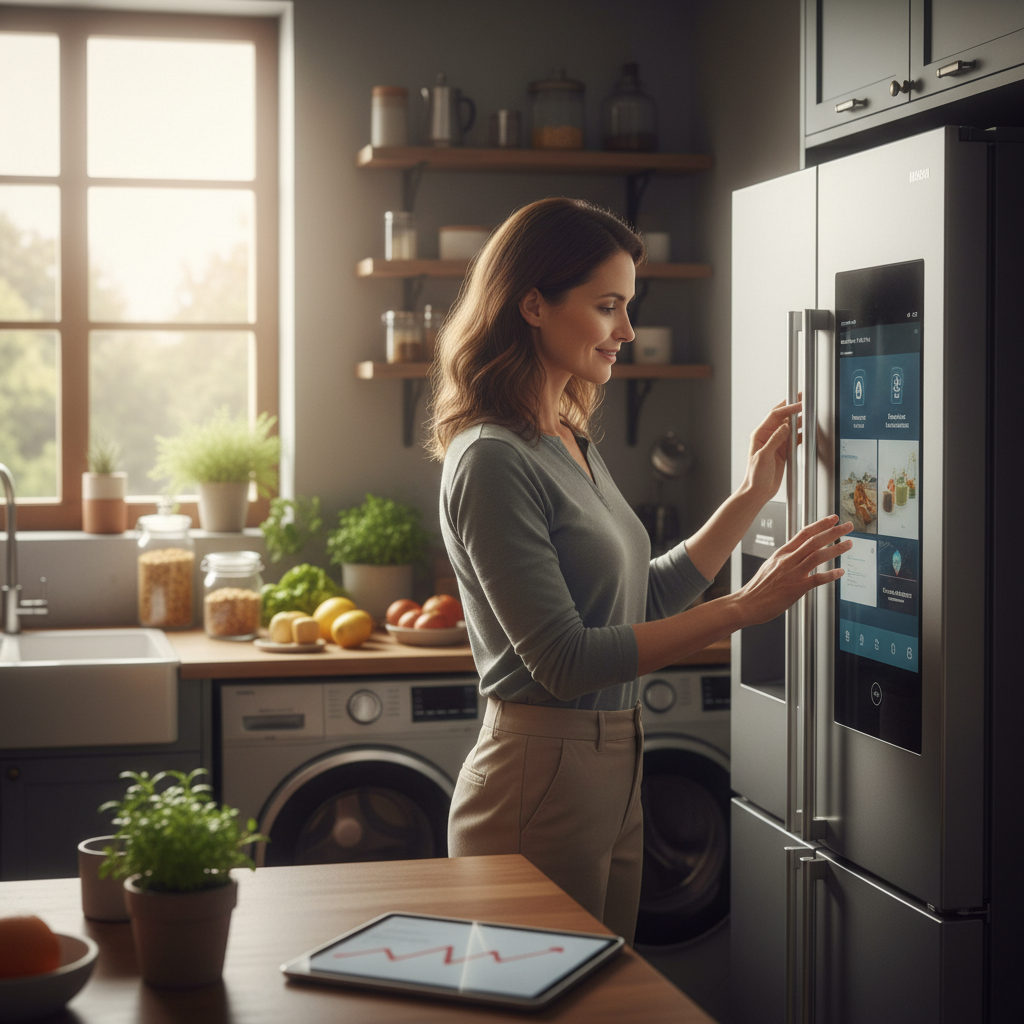
Why Smart Appliances? The Modern Home’s Symphony
The push towards smart appliances isn’t just about showing off; it’s about efficiency, convenience, and a little bit of future-proofing. They offer a level of control and insight that older models simply can’t match. Think about:
* **Remote Control:** Starting the oven from work, preheating it for dinner.
* **Energy Efficiency:** Optimizing cycles based on energy rates and usage patterns.
* **Predictive Maintenance:** Getting alerts before a problem becomes a crisis.
These features aim to make our lives easier, save us money, and reduce our environmental footprint. The smart kitchen market is projected to reach $1.48 billion by 2026.
The Dark Side: Misunderstandings and Missed Opportunities
However, the benefits are often overshadowed by misconceptions. Many users treat smart appliances as set-it-and-forget-it devices, missing out on crucial maintenance and understanding their limitations. Here’s what I’ve learned from over two decades of home tech experience:
* **Over-Reliance:** Assuming the appliance knows best, without understanding the settings.
* **Ignoring Alerts:** Dismissing maintenance notifications and warnings.
* **Lack of Integration:** Not connecting appliances to a central smart home system, missing out on streamlined control.
The worst part? These habits often lead to premature breakdowns and unnecessary expenses.
Common Culprits: Long-Term Problems to Watch Out For
Smart appliances aren’t immune to the problems of their “dumb” predecessors, and some issues are unique to the smart era. Here’s a rundown:
* **Connectivity Issues:** Wi-Fi dropouts are a constant headache. If your appliance isn’t connecting to Wi-Fi, start by rebooting your router and appliance.
* **Software Glitches:** Software glitches or malfunctions that occur after updates are a frequent problem.
* **Sensor Failures:** Sensors are used to monitor performance aspects. When sensors become dirty, miscalibrated, or faulty, appliances may behave erratically.
* **Short Software Lifespans:** Many big brands are now offering smart variants that are only guaranteed software updates for two years.
* **App Compatibility:** Using unofficial apps or outdated smartphone software can lead to connection failures.
These issues can shorten the lifespan and disrupt the convenience smart appliances promise.
Smart Habits: How to Make Your Appliances Last
So, how do we make these high-tech helpers last? It comes down to smart usage and proactive maintenance.
* **Regular Software Updates:** Keep the firmware and apps updated.
* **Clean and Inspect:** Regularly clean sensors and check for any physical damage.
* **Check the Wi-Fi:** Ensure a strong and stable Wi-Fi connection.
* **Embrace Eco Modes:** Utilize energy-saving settings.
* **Full Loads:** Run washing machines and dishwashers with full loads to improve efficiency.
* **Follow the Manual:** Refer to the user manual for correct setup instructions to prevent many problems.
It’s also about building smart habits. For example, scheduling laundry, dishwashing, and EV charging after peak hours for potential savings.
2026 and Beyond: What Actually Matters
The future of smart appliances is about more than just novelty. Here’s what I see as essential for future-proofing your home:
* **Matter Compatibility:** Embrace the new, open-source connectivity standard.
* **AI-Driven Energy Management:** Expect AI to optimize your entire suite of appliances.
* **Predictive Maintenance:** The ability to plan repairs at your convenience, avoiding emergencies.
* **Longer Lifespans and Easier Repairs:** Manufacturers are making parts more accessible and designs more repair-friendly.
The key is to focus on quality, integration, and a proactive approach to maintenance.
FAQ: Your Smart Appliance Questions Answered
Here are some common questions I get from friends and neighbors:
**1. How long should a smart appliance last?**
The lifespan varies, but generally, expect 5-10 years, and potentially longer with good care. Keep in mind, however, that the lifespan of software support might be shorter.
**2. What’s the best way to troubleshoot a smart appliance?**
Start with the basics: power cycle the appliance and router, check Wi-Fi, and ensure the app is up to date. Consult the manual and manufacturer’s website.
**3. Are smart appliances worth the extra cost?**
It depends. If you use the smart features and practice proper maintenance, the benefits in terms of convenience and efficiency can outweigh the initial investment.
**4. How do I extend the lifespan of my smart appliances?**
Follow the maintenance schedules, keep software updated, and address any issues promptly.
**5. What should I do if my smart appliance stops working?**
Check the warranty, and if it’s beyond repair, research the cost of a new appliance. If it is still under warranty, contact the manufacturer’s customer service or a qualified repair technician.
**6. How can smart appliances save me money?**
By optimizing energy usage, preventing food waste, and providing early warnings of potential problems, smart appliances can lead to significant savings.
**7. What about data security and privacy?**
Choose reputable brands, use strong passwords, and review privacy settings. Consider what data you’re comfortable sharing.
**8. Should I buy a smart appliance that isn’t compatible with Matter?**
If the price is right and the appliance meets your needs, it’s not a deal-breaker. However, prioritizing Matter-compatible devices will provide greater flexibility and future-proofing as your smart home evolves.
Conclusion: Living Smarter, Not Just Smarter
Smart appliances offer incredible potential, but it’s up to us to unlock it. By understanding their strengths, mitigating their weaknesses, and embracing smart habits, we can enjoy the convenience and efficiency they offer for years to come. Remember, the goal isn’t just to have smart appliances; it’s to live smarter. This means making informed choices, prioritizing maintenance, and staying ahead of the curve as technology continues to evolve. You can also monitor your energy usage through smart meters or monitoring apps.
If you are looking for other ways to stay ahead of the curve, you might find The Smart Home Security Evolution: Keeping Your Castle Safe in 2026 helpful.
For more helpful guides and articles, visit Josephs Well.