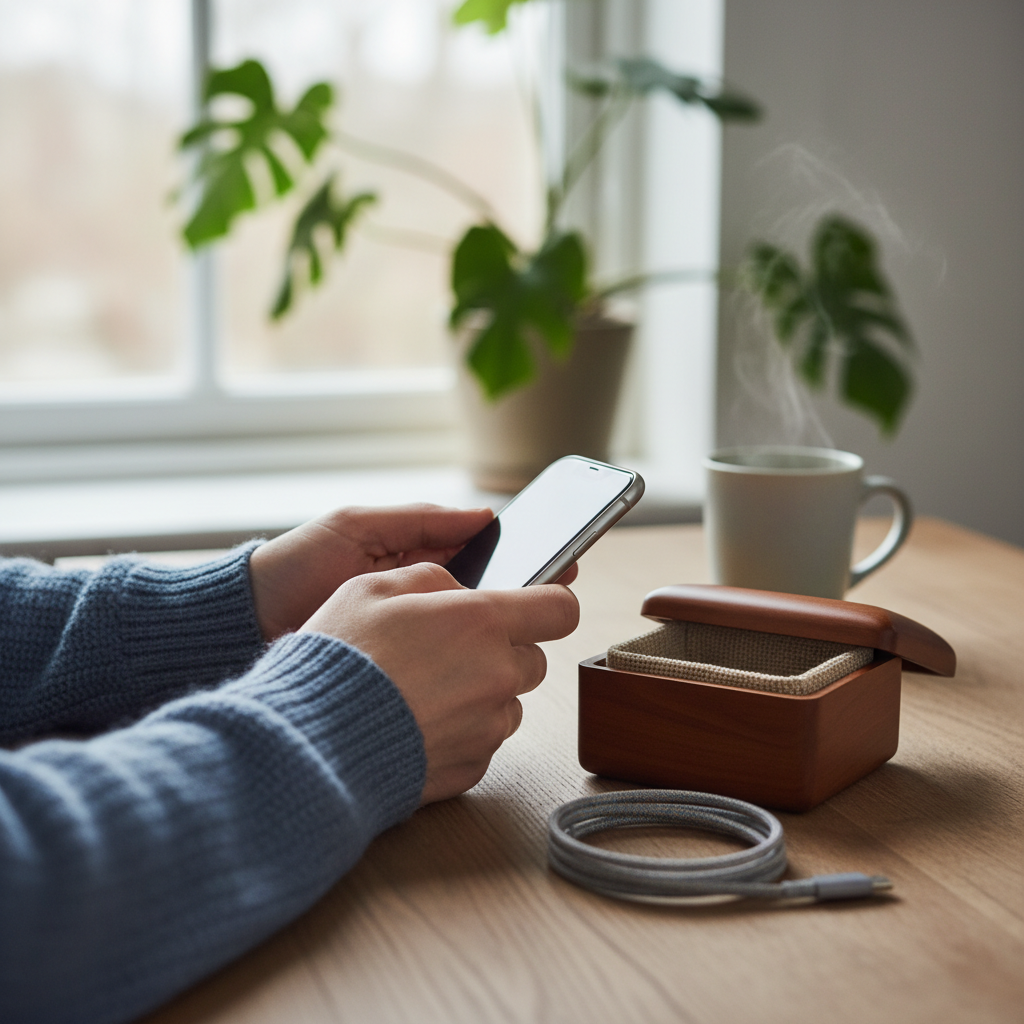
It’s a familiar scene: you’re making your morning coffee, and a little chirp from your phone pulls your attention away. You glance down. A notification. A quick check. Then another. And another. Before you know it, you’re knee-deep in your device, and your coffee’s gone cold. This is the modern rhythm. We’ve become accustomed to the constant buzz, the little nudges that dictate the flow of our days. But have we ever stopped to consider what this quiet buzz is *really* doing?
The Rise of the Digital Interrupt
It wasn’t always this way. Remember a time when a phone was just for calls? The shift to smartphones brought a revolution, yes, but also a slow creep of constant connection. Notifications, once a helpful tool, have become the gatekeepers of our attention. The average person receives between 60 and 80 notifications daily. Some of us may get upwards of 200. Each one is a tiny interruption, a request for our focus.
This constant stream of information is designed to keep us engaged. Apps and platforms use notifications strategically, knowing that each ping is a chance to pull us back in. It’s an “attention economy” where every buzz competes for your mental energy. The more we engage, the more data is collected, the more targeted the notifications become. It’s a carefully crafted loop, and it’s become completely normalized. Think about it: how often do you reach for your phone *because* you’re bored or waiting for something? Notifications have trained us to fill every moment with digital input.
The Hidden Costs of Constant Connection
This constant connection isn’t just a minor annoyance; it has significant effects on our mental well-being and productivity.
* **Focus Fraying:** Every notification demands a shift in focus. Switching tasks, even briefly, disrupts our concentration and makes it harder to get back on track. Research suggests that interruptions can cause slower and poorer quality work.
* **Time Distortion:** Our perception of time changes when we’re constantly checking our phones. We feel time passing faster, leading to a sense of being perpetually behind, even when we aren’t.
* **Routine Disruption:** Notifications can disrupt established routines. That focused morning routine you’ve carefully cultivated? A single notification can derail it, leading to a cascade of phone checks that eat into your day. Imagine starting the day with a focused work session in your kitchen, only to have a single notification interrupt you and send you down a rabbit hole. This could lead to procrastination and a less productive day. You can find out more about creating a better kitchen space in my other article, Conquering Kitchen Chaos: A Smart Living Guide to a Streamlined Culinary Space.
The Common Traps We Fall Into
We’re all susceptible to these traps:
* **Mindless Checking:** How often do you check your phone without even realizing why? It’s become an automatic behavior, triggered by habit, boredom, or the fear of missing out (FOMO).
* **Notification Overload:** The sheer volume of notifications can be overwhelming. Important alerts get lost in the noise, leading to frustration and the feeling of always being “on.”
* **The “Just One More” Trap:** We tell ourselves we’ll just check for a minute, but those minutes quickly turn into an hour as we get sucked into the endless scroll.
Simple Shifts for a More Focused Life
It’s not about a digital detox; it’s about regaining control. Here are some small, realistic shifts you can make:
* **Curate Your Notifications:** The first step is to audit your notifications. Which ones are essential (calls, texts from important people)? Which ones are just noise (game updates, promotional emails)? Turn off the non-essential ones. On Android, you can even customize notification categories within each app. You can also use built-in features like “Do Not Disturb” mode.
* **Schedule Your Checks:** Instead of reacting to every notification, set specific times to check your phone. This could be once an hour, or every few hours. Batching notifications can improve productivity.
* **Create Phone-Free Zones:** Designate areas in your home as phone-free zones, such as the bedroom or dining table. This helps create mental space and reduces the temptation to constantly check your device.
* **Use Tools, Don’t Be a Tool:** There are many apps designed to help manage notifications and reduce distractions. Some of the most popular include Opal, Freedom, and One Sec. Consider which features fit your needs. Even using the built in features such as Apple’s “Screen Time” and Android’s “Digital Wellbeing” can be useful.
The Modern Landscape: Adapting to 2026
In 2026, technology continues to evolve. We have:
* **More Granular Control:** Operating systems like Android 15 offer features like “notification cooldown,” designed to ease the burden of alerts.
* **AI-Powered Tools:** Expect to see more AI-powered apps that filter and prioritize notifications based on your usage patterns and preferences.
* **Smart Devices that are Less Distracting:** Smartwatches and other wearables are becoming increasingly sophisticated. You can configure them to deliver only essential notifications, keeping your phone out of sight and mind.
Frequently Asked Questions
Here are some common questions and honest answers:
**1. Is turning off all notifications the best solution?**
Not necessarily. Research suggests that completely disabling notifications can increase FOMO and doesn’t always lead to less phone use. The key is to find a balance that works for you.
**2. How do I know which notifications to turn off?**
Start by asking yourself if you *need* to know about something immediately. If not, turn it off. Prioritize essential communication and important alerts.
**3. Will using focus apps really help?**
Apps with hard-blocking features (where you can’t easily bypass the restrictions) are more effective than those that rely on willpower alone.
**4. What about the fear of missing out?**
It’s natural to worry about missing something. But by curating your notifications and scheduling checks, you can stay informed without being constantly tethered to your phone. Remember, you can always go to Josephs Well for interesting news.
**5. What if I need to be available for work?**
Set clear boundaries. Communicate your availability to colleagues. Use focus modes or scheduled “Do Not Disturb” periods to create uninterrupted blocks of time.
**6. How long does it take to break the habit of constant phone checking?**
It varies. Be patient with yourself. Start small, and focus on making gradual, sustainable changes. It takes time to rewire your habits, but the effort is worth it.
**7. Are there any free apps to help me control my notifications?**
Yes! Both Apple’s Screen Time and Google’s Digital Wellbeing offer powerful, free tools. Additionally, apps like Freedom have a limited free version.
**8. Will AI replace the need to manage my notifications?**
AI is already helping! AI-powered apps are now filtering and prioritizing notifications.
A Balanced Approach
The goal isn’t to eliminate your phone entirely. It’s about developing a healthier relationship with technology. By taking control of your notifications, you can reclaim your focus, protect your time, and create a more present and productive life. It’s not about extremes. It’s about finding the quiet buzz that works for *you*.