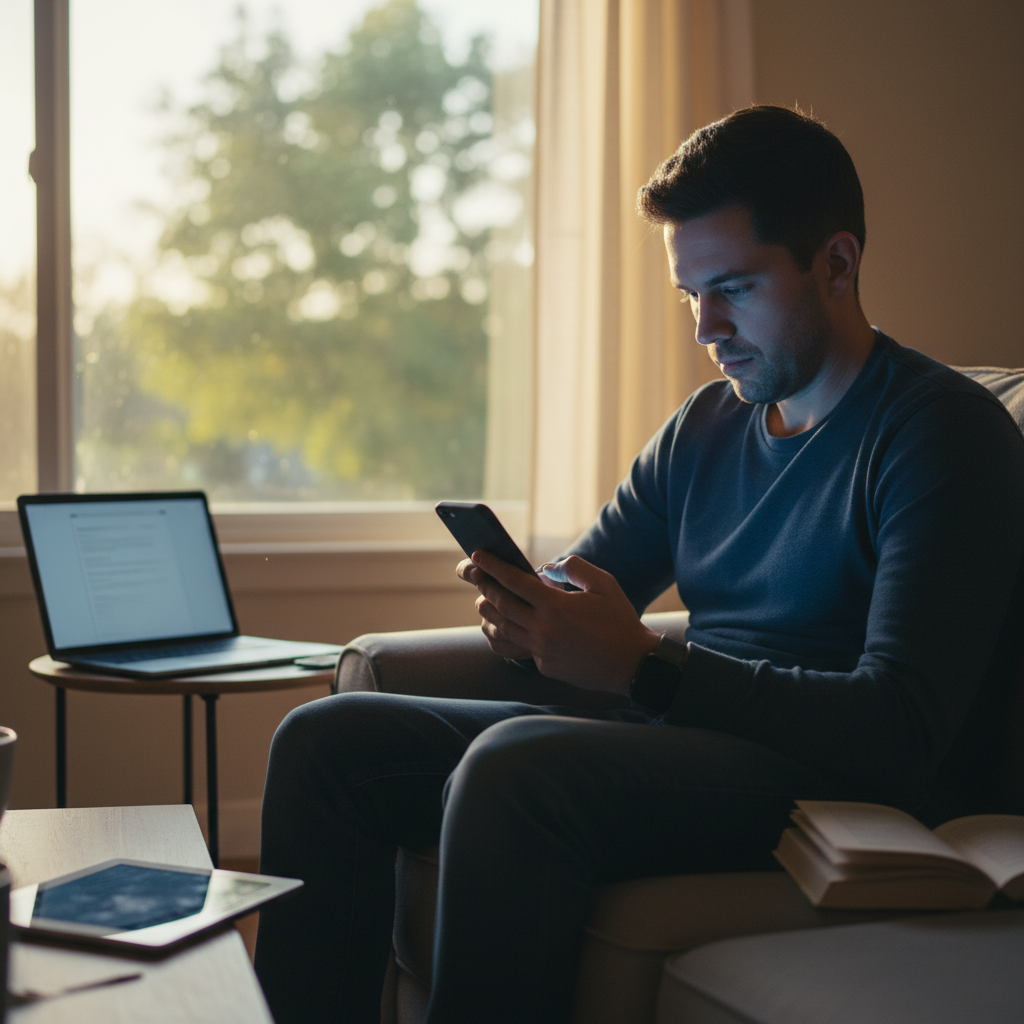
It’s 7:17 AM. The sun is barely up, but your phone is already buzzing. Another notification. An email, a news alert, a social media ping. You reach for it, even before your first sip of coffee. Sound familiar? We’ve become a nation of notification checkers, constantly tethered to our devices, reacting to a symphony of digital interruptions. But how did this become the norm? And more importantly, what can we do to reclaim our attention and time?
The Rise of the Digital Interruptions
Think back to the early days of smartphones. Notifications were a novelty, a convenient way to stay informed. But over time, they evolved into a relentless stream. Apps, designed to capture our attention, began vying for our focus, each one sending a constant barrage of pings, dings, and buzzes. This constant influx of notifications and information fragments our attention. The constant interruptions can lead to increased stress and a diminished ability to focus on tasks.
Why It Became Normal
Several factors have contributed to the normalization of constant notification checking:
- App Design: Apps are engineered to keep users hooked, using notifications to trigger our reward systems. Receiving a notification actually makes our brains feel rewarded.
- Fear of Missing Out (FOMO): The fear of missing out on important information or social interactions fuels the urge to constantly check our phones.
- Social Pressure: In a hyper-connected world, responding quickly to messages and notifications has become a social expectation.
The Hidden Costs
The constant need to address each alert, even if not critical, can lead to increased stress and a sense of being perpetually on edge. The impact of all of these seemingly minor interruptions on your well-being is significant.
Here are some of the hidden effects of our notification addiction:
- Decreased Focus: Constant task-switching weakens our ability to concentrate. Heavy smartphone users often show lower performance on tasks that require extended focus.
- Reduced Productivity: Interruptions derail our workflow. It takes an average of 23 minutes to refocus after a distraction. Frequent phone checks can derail your workflow.
- Increased Anxiety and Stress: The constant feeling of being “on call” can lead to chronic stress and anxiety.
- Sleep Disruption: Notifications, especially at night, can interfere with sleep quality.
Common Mistakes We Repeat
We often fall into certain traps when it comes to our phone usage:
- Ignoring Notification Settings: We accept the default settings, allowing every app to send us notifications.
- Compulsive Checking: We check our phones out of habit, even when there’s nothing new or important.
- Multitasking: We try to juggle multiple tasks at once, leading to decreased efficiency and increased mental fatigue.
Simple Habit Shifts for a Healthier Relationship with Notifications
Breaking free from notification addiction doesn’t require a complete digital detox. Instead, start with small, manageable changes:
- Audit Your Notifications: Go through your app settings and turn off notifications for non-essential apps. Ask yourself, “Do I really need a notification for this?”
- Schedule Check-In Times: Instead of reacting to every notification instantly, designate specific times to check your email, messages, and social media.
- Create a “Do Not Disturb” Zone: Set up “Do Not Disturb” mode during work hours or when you need focused time. You can also change the ringtone of certain people or groups to highlight their importance.
- Use Physical Barriers: Put your phone face down or in your pocket to avoid glancing at notifications.
- Use the Digital Wellbeing Tools: Utilize the built-in “Screen Time” or “Digital Wellbeing” features on your phone to track and limit your app usage.
- Batch Notifications: Set specific times to check emails or messages instead of responding immediately.
Modern Relevance (2026 Apps & Devices)
The tech landscape continues to evolve, and with it, the tools available to manage our digital habits. The next generation of smartphones will bring major upgrades in AI, connectivity and design, creating devices that feel smarter and more capable across work and personal use.
- AI-Powered Notification Managers: Several apps are emerging that use AI to filter and prioritize notifications, ensuring you only see what’s important. Check out apps like FilterBox or BuzzKill.
- Minimalist Phones: Minimal phones are very much mainstream in 2026. These simple devices will gain traction as adult users seek fewer distractions, better focus, and a healthier relationship with their screens.
- “Agentic Super-Apps:” Smartphones Double Down On AI-Native. In 2026, AI agents and super apps will likely collaborate to aid us in our daily lives. Think of apps like China’s WeChat but infused with AI that doesn’t just talk to us and provide information, but takes action on our behalf.
A Balanced Ending
Reclaiming control over your digital life isn’t about eliminating technology entirely. It’s about developing a mindful and intentional approach. By understanding the impact of notifications, setting boundaries, and using the available tools, you can create a healthier relationship with your phone, freeing up your time, focus, and energy for what truly matters. Perhaps, you could even make more time to enjoy The Quiet Thief: Unmasking Hidden Time-Wasters in Your Home, rather than getting caught up in the constant stream of notifications.
FAQ: Your Questions Answered
1. Are notifications really that bad?
Yes, excessive notifications can negatively impact your mental health, productivity, and sleep. Constant interruptions increase stress and decrease focus.
2. How can I stop checking my phone all the time?
Try setting specific times to check your phone, turning off non-essential notifications, and creating a “Do Not Disturb” zone during focused work or relaxation. Put a physical barrier between you and your device.
3. What are the best apps for managing notifications?
Consider apps like FilterBox, BuzzKill or Zedge.
4. Will turning off all my notifications make me miss important things?
It’s a valid concern, but you can strike a balance. Prioritize notifications from essential contacts and apps, and schedule regular check-in times to stay informed without being constantly bombarded. You can also change the ringtone of certain people or groups to highlight their importance.
5. How can I improve my focus?
Reduce distractions by turning off unnecessary notifications, setting time limits for apps, and taking regular breaks to “aerate” the brain.
6. Can technology really help me manage my digital habits?
Absolutely. Features like “Screen Time” and “Digital Wellbeing,” along with AI-powered notification managers, can help you track and manage your phone usage. You can also use simple systems like calendar reminders and planners to manage your day.
7. Is it possible to have a healthy relationship with my phone?
Yes. It’s about mindful usage, setting boundaries, and using your phone as a tool to enhance your life, not control it. Josephs Well can help you learn more.
8. What should I do if I feel overwhelmed by my phone usage?
If you’re struggling, consider seeking support from a therapist or counselor. They can offer strategies like mindfulness, CBT, and habit design to help you regain control.