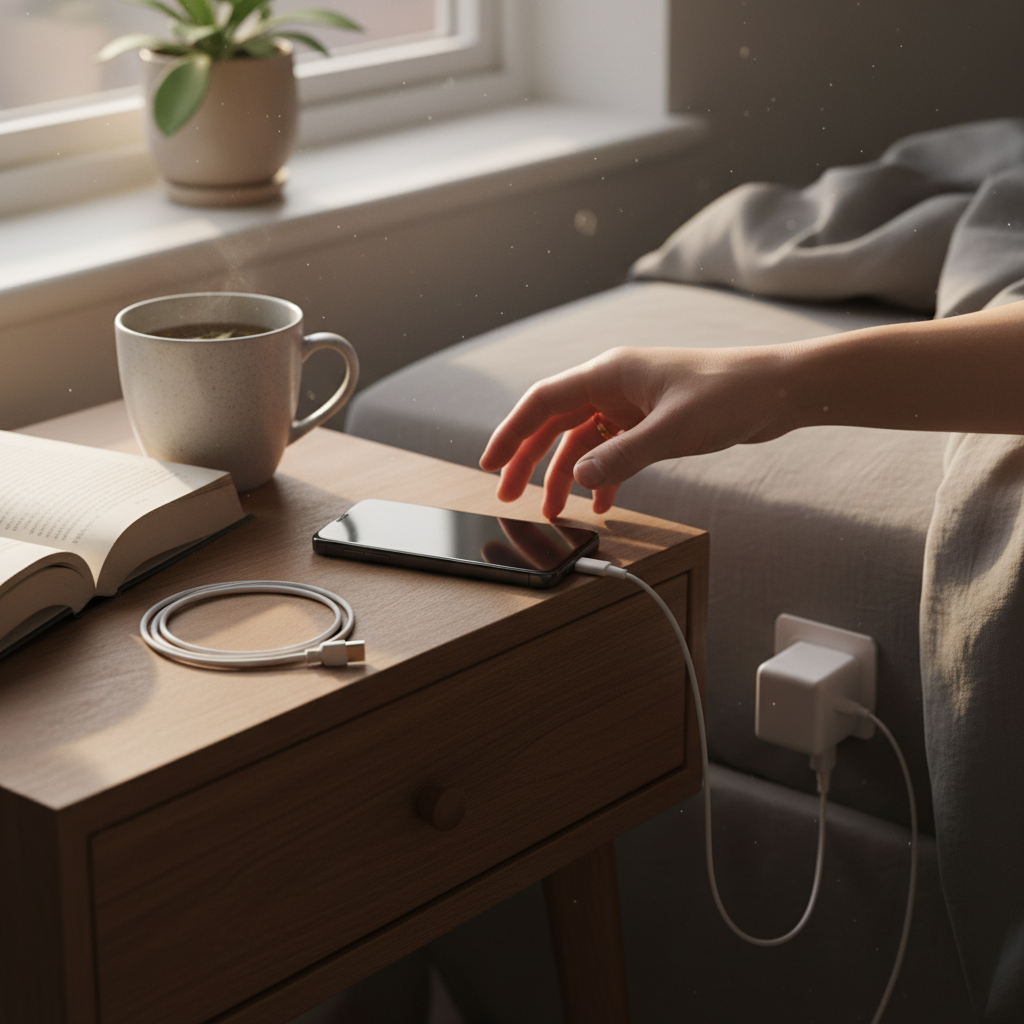
We’ve all been there: the dreaded low battery warning. It’s a modern-day anxiety, prompting us to frantically search for a charger. And when we finally plug in, the next decision is often whether to leave the phone charging overnight. This seemingly simple act has spawned a persistent myth, one that continues to circulate despite advances in technology: that leaving your phone plugged in overnight damages the battery. Let’s dive in and dissect this common misconception, exploring its origins, why it persists, and what you should really be doing to keep your phone’s battery healthy in 2026.
The Roots of the Myth
The core of this myth lies in the history of battery technology. Older batteries, like those found in early cell phones and laptops, used nickel-cadmium (NiCad) or nickel-metal hydride (NiMH) chemistries. These batteries suffered from a “memory effect”. If you repeatedly charged them before they were fully discharged, they would “remember” the shorter charging cycle and gradually reduce their maximum capacity. This meant that the battery would *think* it was full long before it actually was, leading to a shorter usable lifespan.
This “memory effect” made it seem like overcharging was damaging, creating a fear of leaving devices plugged in for extended periods. This concern was valid for the older battery types, making it easy for the idea to take root and stick around even after the technology changed.
Why the Myth Persists
Even though modern smartphones use lithium-ion (Li-ion) batteries, the fear of overnight charging hasn’t faded. Why? Several factors contribute to this:
- Outdated Information: The internet is awash with old advice. It’s easy to stumble upon articles and forums that perpetuate the old myths without acknowledging the advancements in battery technology.
- Psychological Comfort: Many people feel a sense of control by unplugging their phone. Leaving it plugged in feels like a risk, even if it’s unfounded. This psychological factor helps the myth remain persistent.
- “Better Safe Than Sorry” Mentality: Even if someone *suspects* the myth is false, the perceived potential for harm (a damaged battery) can outweigh the perceived benefit (a fully charged phone).
The Reality of Modern Battery Technology
The truth is, modern smartphones are designed to handle overnight charging with ease. Here’s how:
- Smart Charging: Your phone has built-in circuitry that stops charging once the battery reaches 100%. It then enters a “trickle charge” mode, topping off the battery as needed.
- Lithium-Ion Chemistry: Li-ion batteries don’t have a “memory effect”. They are designed for frequent, partial charging cycles, rather than needing to be fully drained and recharged.
- Optimized Battery Charging: Some phones, particularly iPhones, have features like “Optimized Battery Charging”. This learns your charging habits and delays charging past 80% until just before you typically unplug your phone, minimizing the time the battery spends at 100%.
Common Misunderstandings Debunked
Let’s clear up some common misconceptions related to phone charging in 2026:
- “Overnight Charging Damages the Battery”: This is mostly false. While keeping your phone at 100% for extended periods can contribute to some wear, modern phones mitigate this risk with smart charging.
- “You Should Always Let Your Battery Drain Completely”: Wrong. This can actually *harm* a Li-ion battery. Aim to keep your battery between 20% and 80% for optimal health.
- “Fast Charging Always Ruins Battery Life”: While fast charging generates more heat, modern phones have safeguards to prevent overheating. Use fast charging when you need it, but avoid prolonged fast charging during heavy use (like gaming).
- “Closing Background Apps Saves Battery Life”: Generally, closing apps isn’t necessary and can sometimes *reduce* battery life as the phone has to reload them.
What Matters Instead: Your 2026 Battery Health Guide
Instead of worrying about overnight charging, focus on these actionable steps to maximize your phone’s battery life in 2026:
- Maintain a Charge Range: The sweet spot is generally between 20% and 80%. Try to avoid letting your battery dip below 20% regularly.
- Avoid Extreme Temperatures: Heat is the enemy of batteries. Don’t leave your phone in direct sunlight, a hot car, or a freezing environment.
- Use Quality Chargers and Cables: A good charger ensures efficient and safe charging. Also, make sure to use a high-quality cable, as cheap ones can slow down charging and waste energy.
- Update Your Software: Software updates often include battery optimization improvements.
- Consider Wireless Charging: Wireless charging is convenient. Look for Qi2 certified chargers for good alignment and heat management.
The 2025–2026 Relevance
The smartphone market is constantly evolving, with new models boasting faster charging speeds, more efficient batteries, and advanced power-saving features. In 2026, the principles of battery health remain the same, even as technology continues to improve.
One key trend is the increasing adoption of fast charging. Power Delivery (PD) and Quick Charge technology are becoming standard. While fast charging is convenient, remember to manage heat and avoid prolonged fast charging during demanding tasks. Moreover, wireless charging has become more common, with Qi2 standard improving efficiency and reliability.
Clear Takeaway
Don’t let the outdated myth of overnight charging dictate your phone habits. Modern smartphones are designed to be charged when needed. The key is to adopt mindful charging practices that prioritize battery health and longevity. By following the guidelines above, you can enjoy a fully charged phone without constantly worrying about damaging its battery.
FAQs
Here are some frequently asked questions about phone charging:
- Is it okay to charge my phone overnight?
Yes, it is generally safe to charge your phone overnight. Modern smartphones have built-in safeguards to prevent overcharging. - Does fast charging damage my battery?
Fast charging can generate more heat, which can affect battery health over time. However, modern phones have safeguards to mitigate this, and fast charging is usually safe when used appropriately. - Should I let my phone battery die before charging it?
No. For lithium-ion batteries, it’s better to keep the charge between 20% and 80%. - Does closing apps save battery life?
Generally, no. Modern operating systems manage background apps efficiently. Closing them can sometimes use *more* battery life. - What’s the best way to charge my phone?
The best way is to maintain a charge level between 20% and 80%, avoid extreme temperatures, use a quality charger, and keep your software updated. - How often should I charge my phone?
You can charge your phone whenever needed. Frequent, partial charging is better for Li-ion batteries than waiting for a full discharge. - Can I use any charger with my phone?
While most chargers are safe, it’s best to use a charger designed for your phone. Make sure it has safety certifications (like UL, CE, or FCC). - Does wireless charging harm my battery?
Wireless charging is generally safe, though it can generate more heat. Look for Qi2-certified chargers for improved efficiency and heat management.
For more tips on staying connected, explore Josephs Well.