We all want a clean home. It’s a fundamental human desire, linked to feelings of safety, comfort, and well-being. And when we think “clean,” many of us reach for the strongest, most fragranced cleaning products we can find. We see commercials promising sparkling surfaces and germ-free environments, and we believe that the more powerful the cleaner, the better the result. The problem? This is a modern myth, and in 2026, it’s time we re-evaluate our approach to cleaning.
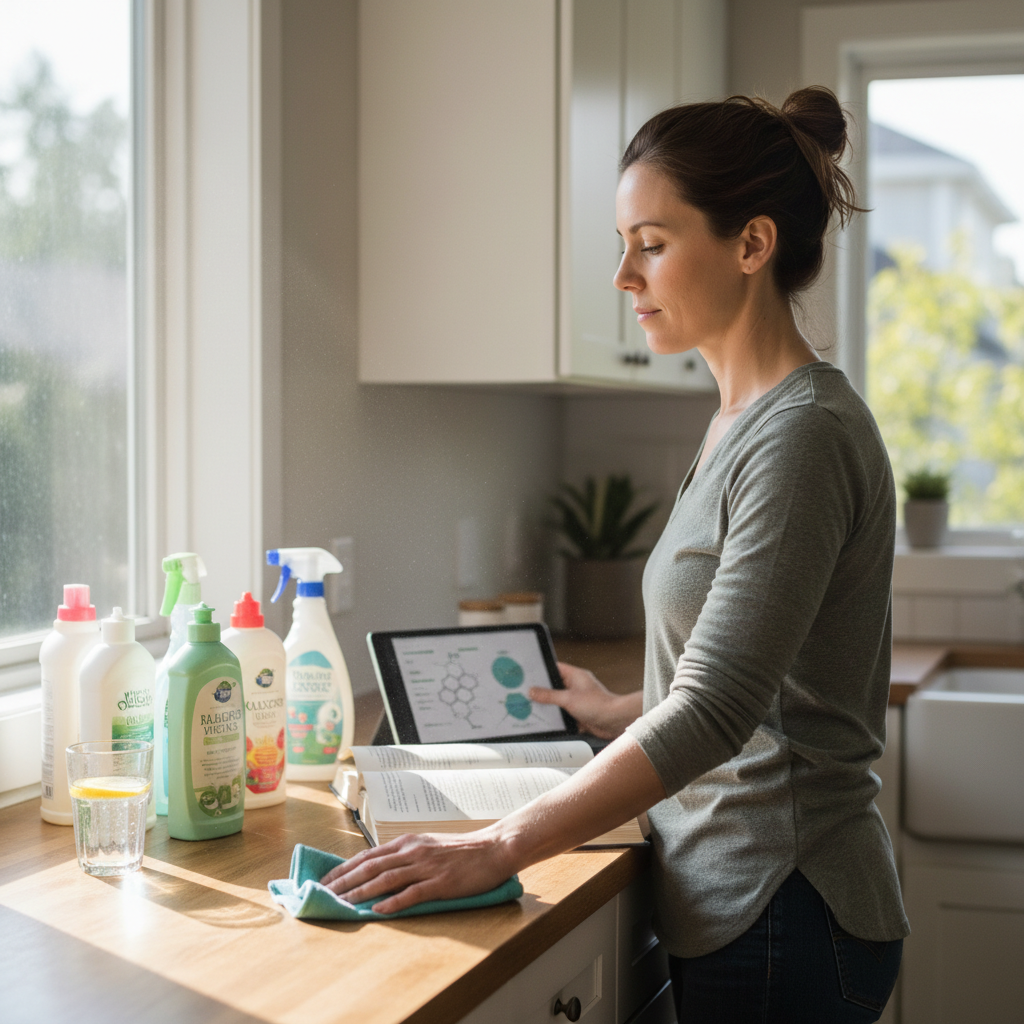
Why the “Stronger is Better” Myth Persists
The logic behind this myth seems straightforward:
* **We associate strong smells with cleanliness:** A fresh, clean scent has become synonymous with a sanitized space. The smell of bleach, for example, is often equated with a truly clean home.
* **We believe chemicals are needed to kill germs:** We’re told that to eliminate bacteria and viruses, we need powerful chemicals that are only available in commercial cleaning products.
* **Marketing reinforces these ideas:** Cleaning product commercials often exaggerate the results, using phrases like “kills 99.9% of germs” or showing surfaces that gleam. This further reinforces the idea that these products are the key to a truly clean home.
The Reality Check: What’s Really Happening
While strong cleaners may seem effective, they often come with downsides we don’t always consider:
* **Many ingredients are harmful:** Many conventional cleaning products contain harsh chemicals that can cause respiratory issues, skin irritation, and other health problems. These can include volatile organic compounds (VOCs), ammonia, and synthetic fragrances. Some ingredients can even damage the nervous system or are known carcinogens.
* **”Clean” doesn’t always equal “healthy”:** While these cleaners may remove some dirt and germs, they can also leave behind harmful residues. Furthermore, excessive use of antibacterial products can contribute to antibiotic resistance.
* **Overuse can be counterproductive:** Using more product than necessary can lead to residue buildup and even attract more dirt.
Common Misunderstandings Debunked
Let’s address some common misunderstandings surrounding cleaning products:
* **Myth: Strong smells mean a clean home.** The truth is that strong smells often come from synthetic fragrances that don’t actually clean. They just mask odors.
* **Myth: You need harsh chemicals for a deep clean.** This isn’t true. Many natural alternatives, such as vinegar, baking soda, and hydrogen peroxide, can clean effectively without the toxic side effects.
* **Myth: Cleaning and disinfecting are the same.** Cleaning removes dirt, dust, and grime, while disinfecting kills germs. Both are important, but you don’t need harsh chemicals to disinfect effectively.
* **Myth: More product equals a better clean.** Using more product doesn’t necessarily lead to better results. In fact, it can lead to residue buildup.
What Matters Instead: A Smarter Approach to Cleaning in 2026
Instead of relying on harsh chemicals, a more effective and sustainable approach to cleaning involves:
* **Prioritizing good ventilation:** Open windows and ensure proper airflow to reduce the concentration of chemicals and improve indoor air quality.
* **Using eco-friendly alternatives:** Explore natural cleaning solutions like vinegar, baking soda, lemon juice, and essential oils.
* **Focusing on high-touch areas:** Pay special attention to frequently touched surfaces like doorknobs, light switches, and electronics.
* **Adopting proactive cleaning habits:** Clean as you go to prevent mess from building up and making the task overwhelming. Consider integrating “smart” cleaning tools, such as robot vacuums, to streamline your cleaning process.
* **Reading labels carefully:** Understand the ingredients in your cleaning products and avoid those with harmful chemicals.
* **Following recommended usage instructions:** Using the correct amount of product will help to ensure effective cleaning while avoiding residue buildup.
* **Embracing sustainability:** Look for products with eco-friendly packaging and those that minimize waste.
In 2026, the trend is towards health-driven cleaning, with an emphasis on both hygiene and wellness. Furthermore, the increased focus on sustainability means that consumers and businesses alike are seeking green cleaning products and practices.
Relevance in 2026
In 2026, the emphasis is on creating a healthy home. The best way to achieve this is to consider the impact of your cleaning products. The information in this article will help you to evaluate your cleaning routine, and make changes to create a healthier home. In addition to a healthy home, it is important to be aware of the *hidden cost of clutter* and how to reclaim your space and time. Consider this related article to explore how decluttering and organization can also support a cleaner, healthier living environment [The Hidden Cost of Clutter: Reclaiming Your Time, Space, and Sanity].
Clear Takeaway
The key takeaway is that a “clean” home doesn’t require harsh chemicals or strong smells. Instead, focus on effective cleaning practices, natural alternatives, and a proactive approach to maintaining a healthy and safe environment. This approach is not only better for your health but also for the planet.
Frequently Asked Questions
**Q: Are natural cleaning products as effective as conventional ones?**
A: Yes, many natural cleaning products are just as effective, if not more so, than conventional cleaners. The key is to choose the right product for the job and follow the instructions carefully.
**Q: What are some safe alternatives to bleach?**
A: Hydrogen peroxide can be used as a safer alternative to bleach for sanitizing surfaces.
**Q: How can I improve the air quality in my home?**
A: Good ventilation is key. Open windows regularly, and consider using an air purifier.
**Q: Are all-purpose cleaners safe?**
A: Many all-purpose cleaners contain ingredients that can irritate the skin, eyes, nose, and throat. Read the labels carefully and consider using more natural alternatives.
**Q: Is it okay to mix cleaning products?**
A: No! Mixing cleaning products can create dangerous chemical reactions. For example, mixing bleach with ammonia can create toxic chloramine gas.
**Q: How often should I clean my home?**
A: The frequency of cleaning depends on your lifestyle and household. However, a regular cleaning schedule, including daily, weekly, and monthly tasks, can help keep your home clean and healthy.
**Q: What are some of the most harmful ingredients to avoid in cleaning products?**
A: Some ingredients to avoid include ammonia, artificial dyes, bleach, formaldehyde, and synthetic fragrances.
**Q: Where can I find more information about eco-friendly cleaning products?**
A: Many websites and organizations provide information about eco-friendly cleaning products and practices. Look for products with certifications from organizations like the EPA Safer Choice program. You can also explore the resources available on Josephs Well for more information.