We’ve all been there. You’re standing in the appliance aisle, overwhelmed by the choices. Refrigerators, washing machines, dishwashers—each one promises to be the most efficient, the most cost-effective, the best thing since sliced bread (which, let’s be honest, probably has its own energy consumption footprint). But amidst the jargon of “Energy Star certified” and “A+++ ratings,” a common myth persists: that appliance energy consumption is a simple equation. That the newest, shiniest model is *always* the most energy-saving option.
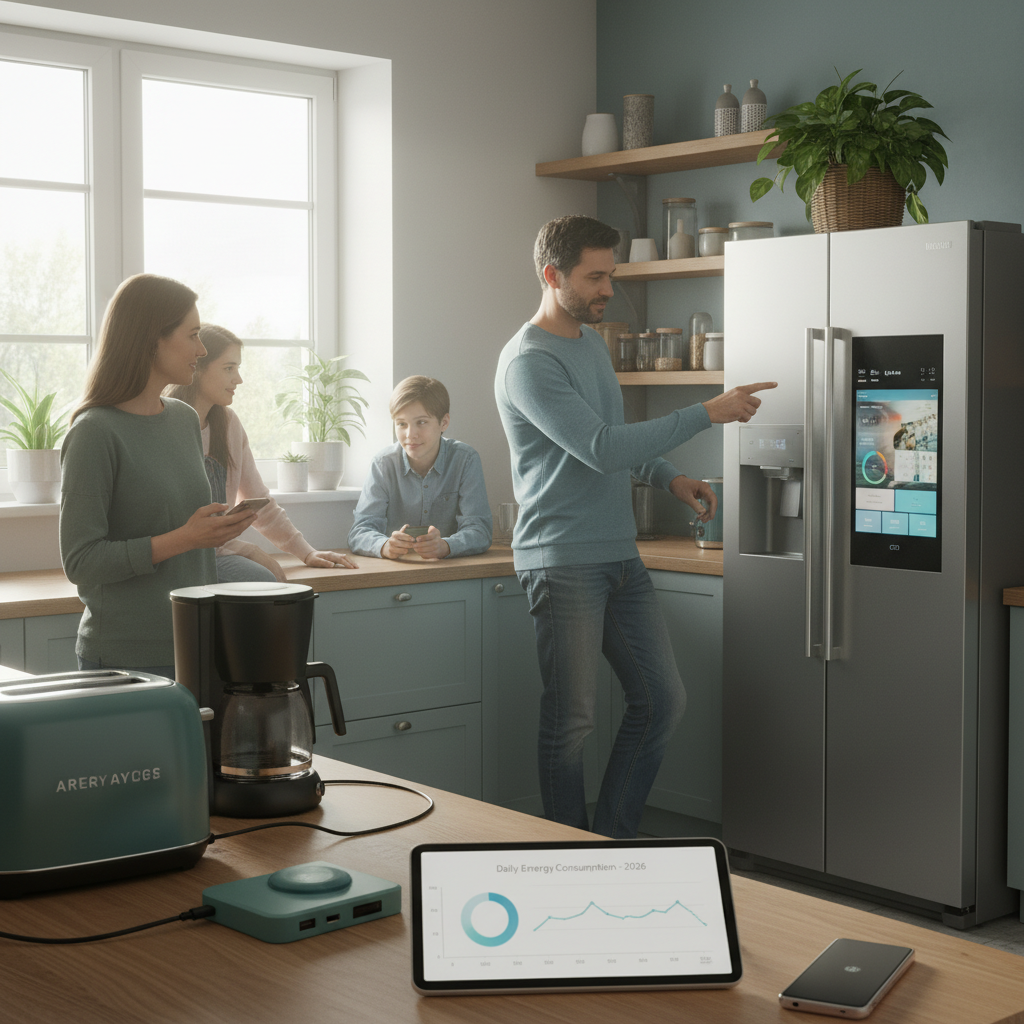
But is it really that simple? Let’s dive into the world of modern myths and debunk this one once and for all.
## The Seed of Doubt: Where the Myth Begins
The idea that newer equals better in the realm of energy efficiency isn’t entirely unfounded. It’s rooted in the logical assumption that technological advancements lead to improvements. After all, isn’t that how progress works? New models *should* be designed to use less energy, right?
This logic is reinforced by marketing. Appliance manufacturers are keen to highlight their products’ efficiency, knowing that it’s a major selling point for eco-conscious consumers. And who can blame them? In a world increasingly concerned about climate change and rising energy costs, the promise of lower utility bills is a powerful motivator.
The myth is further fueled by the Energy Star program and similar initiatives. These programs provide a clear, easily understood metric for comparing appliance efficiency, making it seem like a straightforward decision: choose the model with the highest rating and you’re good to go.
## The Reality Check: Why the Myth Doesn’t Always Hold Water
While the core logic of the myth is sound, it often oversimplifies a complex reality. Several factors contribute to why simply buying the newest appliance isn’t always the best way to save energy and money.
**1. “Phantom” or “Vampire” Energy:** One of the biggest culprits is “phantom” energy. This is the power that appliances consume even when they’re turned off, but still plugged in. Think of your TV, your microwave, your computer—all drawing a small but constant current. This standby mode can account for up to 10% of your home’s electricity use.
**2. The Lifetime Factor:** The energy efficiency of an appliance is just one piece of the puzzle. The *lifespan* of the appliance is equally important. A highly efficient model that breaks down after a few years might end up costing you more in the long run than a slightly less efficient, but more durable, model.
**3. Installation and Usage:** How an appliance is installed and how it’s *used* can significantly impact its energy consumption. For example, a refrigerator that’s not properly sealed or is placed in a warm environment will use more energy to maintain its internal temperature. Similarly, a dishwasher that’s not loaded correctly will require more energy and water to clean your dishes.
**4. The “Big vs. Small” Dilemma:** The size of an appliance matters. A larger refrigerator, for instance, might use more energy overall, even if it’s more energy-efficient per cubic foot, than a smaller, older model.
**5. The Pre-Rinse Paradox:** Many people believe that pre-rinsing dishes before putting them in the dishwasher saves water and energy. In reality, most modern dishwashers are designed to handle un-rinsed dishes, and pre-rinsing actually *wastes* water and energy.
## What *Really* Happens in Real Life: Beyond the Ratings
So, if simply buying the newest, most highly-rated appliance isn’t the silver bullet, what *does* matter? Here’s what you need to consider in 2026:
* **Energy Star Certification:** Look for the Energy Star label. It’s a reliable indicator of energy efficiency, but remember it’s just one piece of the puzzle.
* **The Energy Guide Label:** Pay attention to the EnergyGuide label, which provides estimated annual energy consumption and operating costs.
* **Appliance Size:** Choose an appliance that’s appropriately sized for your needs. A large refrigerator is unnecessary for a single person.
* **Usage Habits:** How you use an appliance has a huge impact. Run dishwashers and washing machines only when they’re fully loaded.
* **Maintenance:** Regularly maintain your appliances. Clean refrigerator coils, replace worn seals, and address any performance issues promptly.
* **Unplug or Use Smart Power Strips:** Unplug appliances or use smart power strips to eliminate phantom energy.
* **Consider the Total Cost of Ownership:** Factor in the purchase price, estimated operating costs, and the appliance’s lifespan when making a decision.
## Common Misunderstandings: Setting the Record Straight
Let’s address some common misconceptions related to appliance energy consumption:
* **Myth:** Leaving lights on uses less energy than turning them on and off.
**Truth:** Modern light bulbs, including LEDs and CFLs, are designed to be energy-efficient regardless of how often they’re switched on and off.
* **Myth:** Bigger appliances always use more energy.
**Truth:** Not necessarily. A larger, newer, Energy Star-certified appliance can be more efficient than a smaller, older model.
* **Myth:** It’s more energy-efficient to handwash dishes.
**Truth:** Modern dishwashers are generally more efficient than handwashing, especially when fully loaded.
* **Myth:** Appliances don’t use energy when turned off.
**Truth:** Many appliances continue to draw power when plugged in, even when turned off.
## What Matters Instead: Practical Tips for 2026
Here’s a look at what truly matters when it comes to appliance energy consumption in 2026:
* **Prioritize Energy Star Certified Appliances:** They are designed to meet strict energy efficiency guidelines.
* **Focus on Usage and Habits:** Your behavior makes a difference. Full loads, proper loading, and unplugging when not in use are key.
* **Consider Smart Home Technology:** Smart plugs, smart thermostats, and other devices can help you monitor and manage energy consumption.
* **Embrace Cold Water:** Wash clothes in cold water whenever possible. It’s just as effective and saves energy.
* **Don’t Overlook Maintenance:** Well-maintained appliances perform better and last longer.
For more insights into saving money in your day-to-day life, check out The Silent Thief: How Small, Unnoticed Expenses Drain Your Wallet.
## Relevance in 2025–2026: A Time of Change
The relevance of understanding appliance energy consumption is only increasing in 2026. With rising energy costs, and the growing focus on environmental sustainability, making informed choices about your appliances is more crucial than ever.
Moreover, advancements in smart home technology are making it easier to monitor and manage energy consumption. Smart appliances, connected to your Wi-Fi, can provide detailed information about their energy usage, allowing you to optimize your habits and reduce waste.
Finally, government incentives and rebates for energy-efficient appliances are becoming increasingly common, making it easier to upgrade your appliances without breaking the bank.
## Clear Takeaway: Making Informed Choices
The key takeaway is this: don’t fall for the simple myth. While newer appliances are often more efficient, it’s not a guarantee. Consider a holistic approach:
1. **Look beyond the shiny exterior.**
2. **Evaluate the Energy Star rating.**
3. **Understand your usage habits.**
4. **Embrace smart home technology.**
5. **Prioritize maintenance.**
By making informed choices, you can reduce your energy consumption, save money, and contribute to a more sustainable future.
For more information, visit Josephs Well.
## FAQs: Your Burning Questions Answered
Here are some frequently asked questions about appliance energy consumption:
**1. Is it worth upgrading my older appliances?**
It depends. Consider the age, condition, and energy consumption of your current appliances. Research the efficiency of newer models and calculate the potential savings over the appliance’s lifespan.
**2. Do energy-efficient appliances always cost more upfront?**
Sometimes, yes. However, the long-term savings from reduced energy bills can often offset the higher initial cost.
**3. How much energy do appliances use in standby mode?**
Standby mode can account for up to 10% of your home’s electricity usage.
**4. Is it better to leave my refrigerator running or turn it off when I go on vacation?**
It’s generally better to leave your refrigerator running. Turning it off and on can cause a power surge and potentially damage the compressor. Clean it out, and leave the door open slightly to prevent odors.
**5. How can I reduce my appliance energy consumption?**
Use appliances efficiently (full loads, cold water), unplug when not in use, and consider smart home technology.
**6. Does the size of an appliance impact its energy consumption?**
Yes, generally, larger appliances use more energy overall, even if they’re more efficient per unit of measure. Choose an appliance sized appropriately for your needs.
**7. Are smart appliances worth the investment?**
Smart appliances offer convenience and the potential for greater energy efficiency. However, consider the upfront cost and the features you’ll actually use.