We’re living in an age where technology promises us convenience, control, and, most importantly, security. Smart home systems have exploded in popularity, offering everything from remote-controlled locks to video doorbells and sophisticated surveillance systems. But are these gadgets the fortress they’re made out to be, or are we being sold a carefully constructed illusion of safety? Let’s dismantle some common misconceptions and get to the truth about smart home security in 2026.
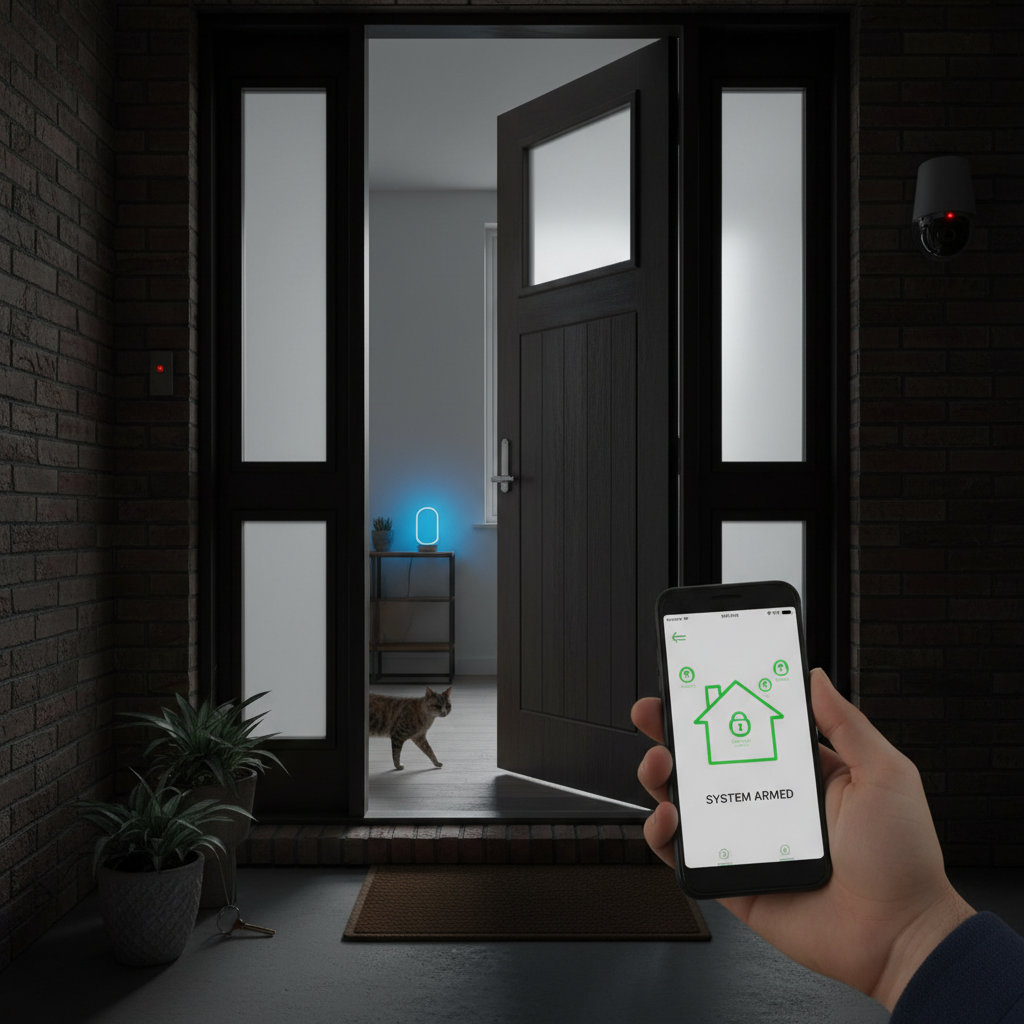
The Belief: Smart Homes Offer Unbreakable Security
The marketing is compelling. Sleek interfaces, promises of 24/7 monitoring, and the ability to keep an eye on your home from anywhere in the world. Many people believe that investing in a smart home security system automatically guarantees their safety. They see the gadgets and assume they are protected against all threats, a digital Fort Knox guarding their castle.
Why This Sounds Logical (But Isn’t Always True)
This belief stems from a few appealing factors:
- The “Wow” Factor: Smart home tech often boasts impressive features. Seeing these features in action creates a sense of cutting-edge security, which makes it seem like the future of protection has arrived.
- Ease of Use: Many systems are designed to be user-friendly, giving homeowners a sense of control and confidence. The ability to manage your home’s security with a smartphone is incredibly appealing.
- Marketing Hype: Companies skillfully craft narratives around their products, highlighting their strengths while downplaying the potential weaknesses.
The Reality Check: What Actually Happens
While smart home security systems offer undeniable benefits, they aren’t a foolproof solution. Here’s a dose of reality:
- Vulnerabilities: Smart devices can be vulnerable to hacking. Many devices have weak security measures, making them easy targets for cybercriminals. These vulnerabilities can be exploited to gain access to your home network, compromise personal data, and even manipulate the devices themselves.
- Reliance on the Internet: Smart home systems depend on a stable internet connection. If your Wi-Fi goes down, so does your system’s functionality. It is wise to consider a system with a cellular backup.
- False Sense of Security: Over-reliance on technology can lead to complacency. A well-designed smart home system is only part of the solution; you also need to practice good security habits.
- Data Privacy Concerns: Many smart home systems collect and store vast amounts of data about your habits and activities. It’s crucial to understand how your data is being used and protected.
Common Misunderstandings
Let’s clear up some frequently misunderstood aspects of smart home security:
- “The Cloud is Always Safe.” Data storage in the cloud is often marketed as secure, but cloud storage is only as secure as the company providing the service. It’s essential to research the security practices of any company handling your data.
- “More Features = More Security.” A system with a long list of features isn’t necessarily more secure. Focus on essential security features rather than getting swept up in the bells and whistles.
- “Professional Installation Guarantees Security.” While professional installation is often recommended, it doesn’t always guarantee bulletproof security. It is vital to find a reputable company with a strong track record.
What Really Matters Instead
True smart home security is about taking a holistic approach. Consider these key elements:
- Strong Passwords and Authentication: Use strong, unique passwords for all your devices and accounts. Enable two-factor authentication whenever possible.
- Regular Software Updates: Keep your devices’ firmware and software up to date to patch security vulnerabilities.
- Network Security: Secure your home network with a strong password, and consider using a separate network for your smart devices.
- Device Security: Research the security features of any device before you buy it. Look for devices with encryption and other security measures.
- Privacy Settings: Review and adjust the privacy settings on all your smart devices. Understand what data is being collected and how it’s being used.
- Professional Monitoring (Optional): If you want the added peace of mind, consider professional monitoring services.
2026 Relevance: Staying Ahead of the Curve
In 2026, the smart home landscape is constantly evolving, with new threats emerging all the time. To stay protected, you need to stay informed and proactive. Here are some key trends to watch:
- Increased AI Integration: Smart home systems are becoming more intelligent, with AI playing a role in everything from threat detection to energy management.
- Focus on Interoperability: The ability of devices from different manufacturers to work together seamlessly is becoming increasingly important.
- Emphasis on Privacy: As awareness of data privacy grows, consumers are demanding more control over their personal information.
Understanding these trends will help you make informed decisions about your smart home security setup. Learn more about how to protect your digital life with a secure system by checking out Josephs Well.
Clear Takeaway: Don’t Believe Everything You See
Smart home security has the potential to enhance your life, but it’s not a magic bullet. By understanding the myths, the realities, and the steps you can take to protect yourself, you can build a truly secure smart home. Approach smart home technology with a healthy dose of skepticism, and remember that your vigilance is just as important as the gadgets themselves. For more insights into how to make smart choices in your digital life, explore our related article, The Unseen Hours: How Micro-Habits Shape Our Digital Lives in 2026.
Frequently Asked Questions (FAQs)
Here are some of the most common questions about smart home security:
Are smart home systems safe from hackers?
Smart home systems can be hacked, but you can significantly reduce your risk by following best practices for security. Use strong passwords, keep your devices updated, and secure your home network.
Do I need professional monitoring for a smart home system?
Professional monitoring is not always necessary, but it can provide an extra layer of security. If you’re concerned about a break-in while you’re away, professional monitoring can be a good investment.
Are smart home systems prone to false alarms?
Modern smart home systems are designed to reduce false alarms. They use advanced sensors and AI to differentiate between genuine threats and normal household activity.
What should I do if my smart home system is hacked?
If you suspect your system has been hacked, change your passwords immediately. Contact the manufacturer of your system for assistance. You may also want to contact law enforcement.
How can I protect my data privacy with a smart home system?
Review and adjust the privacy settings on all your devices. Understand what data is being collected and how it’s being used. Consider using a system with local data storage options.
Should I DIY install my smart home security system?
DIY installation can be a cost-effective option, but it requires some technical knowledge. Professional installation can help ensure that your system is set up correctly and securely.
What are the most important features to look for in a smart home security system?
Look for features like strong encryption, two-factor authentication, and regular security updates. Consider systems with tamper detection, and physical protection features.
How can I stay up-to-date on smart home security threats?
Stay informed by reading tech news and security blogs, subscribing to newsletters from security vendors, and following industry experts on social media.