We all know the drill, right? Get eight hours of sleep a night. It’s practically been drilled into our heads since childhood, a golden rule for health and well-being. But is it really that simple? Is eight hours the magic number for everyone? The answer, as you might suspect, is a little more nuanced. Let’s dive into the myth of the perfect sleep duration and uncover what *really* matters in 2026.
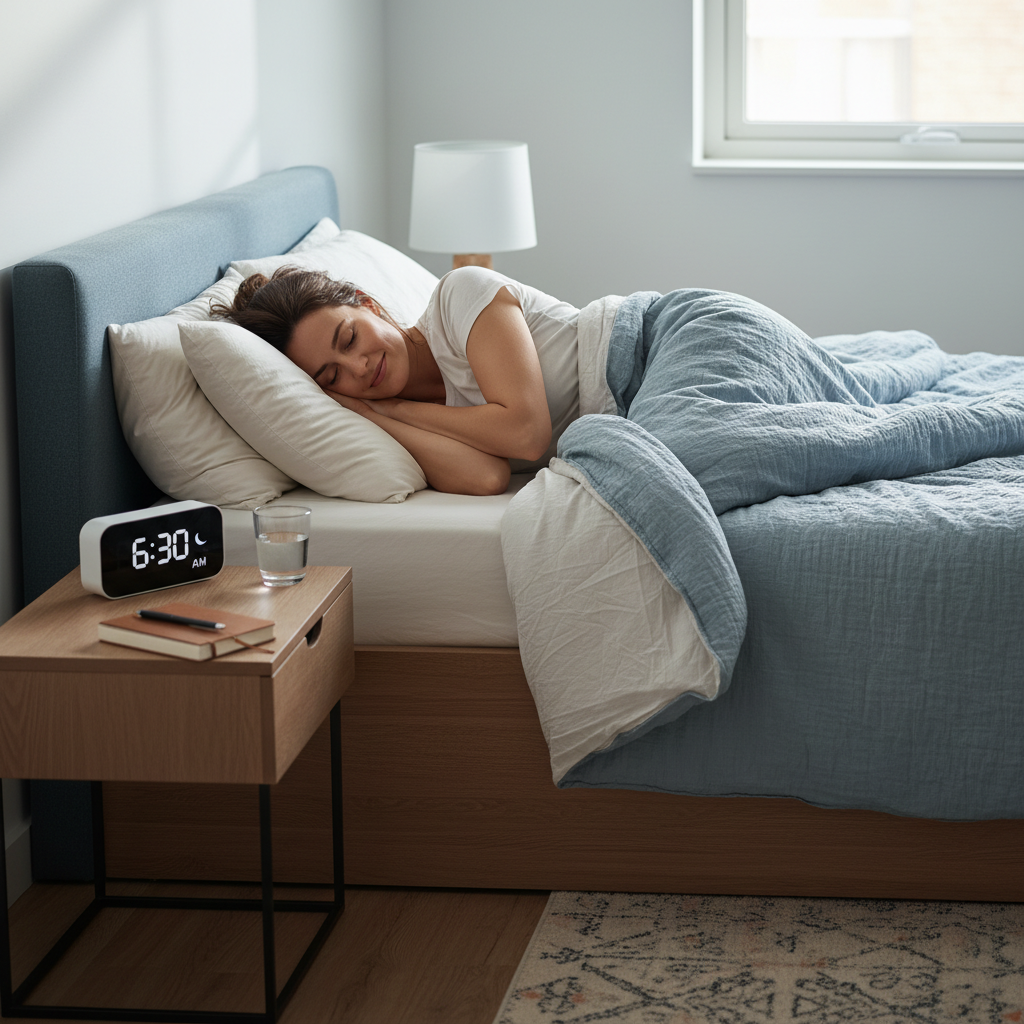
The Origin of the Eight-Hour Sleep Myth
The idea of eight hours of sleep as the ideal has been around for a while. It gained traction in the early 20th century, with the rise of industrialization and the need for a standardized workday. The assumption was that eight hours of work, eight hours of leisure, and eight hours of sleep would create a balanced life. This was a simplistic view, and didn’t account for individual differences or the complexities of sleep itself.
Why People Still Cling to This Belief
The eight-hour rule persists for a few key reasons:
* **It’s Easy to Remember:** Eight hours is a neat, round number. It’s easy to track and aim for, making it a convenient goal.
* **Social Pressure:** We often hear it from doctors, friends, and family. It’s become a common standard, and deviating from it can feel like a failure.
* **Feeling of Control:** In a world where we often feel overwhelmed, the eight-hour rule gives us a sense of control over our health. If we can just get enough sleep, we believe, we can conquer the day.
The Reality Check: What Actually Happens in Real Life
Here’s where things get interesting. The truth is, the amount of sleep we need varies. It’s not a one-size-fits-all situation. Factors like age, genetics, lifestyle, and overall health all play a role.
* **Age Matters:** Newborns need the most sleep, up to 17 hours a day, while older adults may need slightly less than younger adults. Teenagers typically require 8-10 hours, while adults generally need 7-9 hours.
* **Individual Variability:** Some people are naturally “short sleepers” and thrive on less than seven hours, while others need more than nine.
* **Quality Over Quantity:** The *quality* of your sleep is just as important as the quantity. Getting eight hours of restless, interrupted sleep is far less beneficial than seven hours of deep, restorative sleep.
The National Sleep Foundation recommends that healthy adults should aim for seven to nine hours of sleep.
Common Misunderstandings About Sleep
Let’s clear up some common misconceptions:
* **Myth: You can “catch up” on sleep.** While you can make up for some lost sleep, it’s not a perfect solution. Chronic sleep deprivation builds up a “sleep debt” that can have lasting effects.
* **Myth: More sleep is *always* better.** Excessive sleep can sometimes indicate underlying health issues. Aim for the recommended range for your age and listen to your body.
* **Myth: You can train yourself to need less sleep.** While sleep needs can fluctuate, consistently getting far less sleep than your body requires can lead to health problems.
What Matters Instead: Your Personal Sleep Sweet Spot
So, if eight hours isn’t the be-all and end-all, what should you focus on?
* **Consistency:** Go to bed and wake up around the same time every day, even on weekends, to regulate your body’s natural sleep-wake cycle.
* **Listen to Your Body:** Pay attention to how you feel. Are you waking up refreshed and alert? Or are you constantly struggling to stay awake during the day?
* **Prioritize Sleep Hygiene:** Create a relaxing bedtime routine, optimize your sleep environment (dark, quiet, cool), and avoid caffeine and alcohol close to bedtime.
* **Address Underlying Issues:** If you consistently have trouble sleeping, talk to a doctor. Sleep disorders are common and often treatable.
2025-2026 Relevance: Sleep in a Hyper-Connected World
In 2026, the challenges to good sleep are amplified. We’re bombarded with notifications, screens, and constant stimulation. The importance of prioritizing sleep is more critical than ever. Technology can be a double-edged sword:
* **Embrace Technology Wisely:** Use sleep tracking apps to monitor your patterns, but don’t obsess over the numbers. Utilize features like “wind-down” modes on your devices to reduce blue light exposure in the evening.
* **Digital Detox:** Make a conscious effort to disconnect from screens an hour or two before bed. Read a book, journal, or practice relaxation techniques.
The Clear Takeaway: Quality Sleep is Personalized
The eight-hour rule is a good starting point, but it’s not the ultimate measure of sleep success. The key is to find your own personal sleep sweet spot and prioritize quality sleep through consistent habits and a sleep-friendly environment. Remember, getting enough sleep is about feeling your best, not just ticking a box.
**For further reading, consider checking out this related article on Josephs Well:** The Myth of the 10,000 Steps: Is it *Really* the Magic Number for Health in 2026?.
FAQ: Your Burning Sleep Questions Answered
Here are some frequently asked questions about sleep:
1. How do I know how much sleep *I* really need?
Pay attention to how you feel. If you’re waking up feeling refreshed and alert most days, you’re likely getting enough sleep. You can also try tracking your sleep for a week or two on a relaxing vacation to see how much sleep your body naturally craves.
2. Is it okay to sleep in on weekends?
Sleeping in on weekends can help you catch up on lost sleep, but it’s best to maintain a consistent sleep schedule as much as possible. Drastically changing your sleep schedule on weekends can disrupt your circadian rhythm.
3. What’s the best bedtime routine?
A relaxing bedtime routine can include taking a warm bath, reading a book, listening to calming music, or practicing mindfulness. Avoid screens and stimulating activities close to bedtime.
4. Does alcohol help you sleep?
While alcohol can make you feel sleepy initially, it disrupts sleep quality later in the night. It’s best to avoid alcohol before bed.
5. Is it true that older adults need less sleep?
While sleep patterns may change with age, the need for sleep doesn’t decrease significantly. Older adults generally still need 7-8 hours of sleep per night.
6. What can I do if I can’t fall asleep?
If you can’t fall asleep after 20 minutes, get out of bed and do a relaxing activity until you feel tired. Avoid using your bed for anything other than sleep and intimacy.
7. Can I really “bank” sleep?
No, you can’t really “bank” sleep in advance. While you can catch up on sleep debt, it’s best to prioritize consistent sleep.
8. Should I worry if I fall asleep quickly?
If you regularly fall asleep very quickly, even during the day, it could be a sign of an underlying sleep disorder. Talk to your doctor if you’re concerned.
This article provides general information and is not a substitute for professional medical advice. Always consult with a healthcare provider if you have concerns about your sleep.