It’s a familiar scene: You’ve finished a delicious meal, the last morsels have been savored, and the remnants of the feast sit on the table, awaiting their fate. For many, the next step involves loading the dishwasher, a chore that promises efficiency and cleanliness. But lurking within our collective consciousness are a host of misconceptions about dishwashers—beliefs that, while seemingly logical, often miss the mark. Let’s dive in and unearth some of the most common myths surrounding dishwashers in 2026.
The Myth of the Pre-Rinse
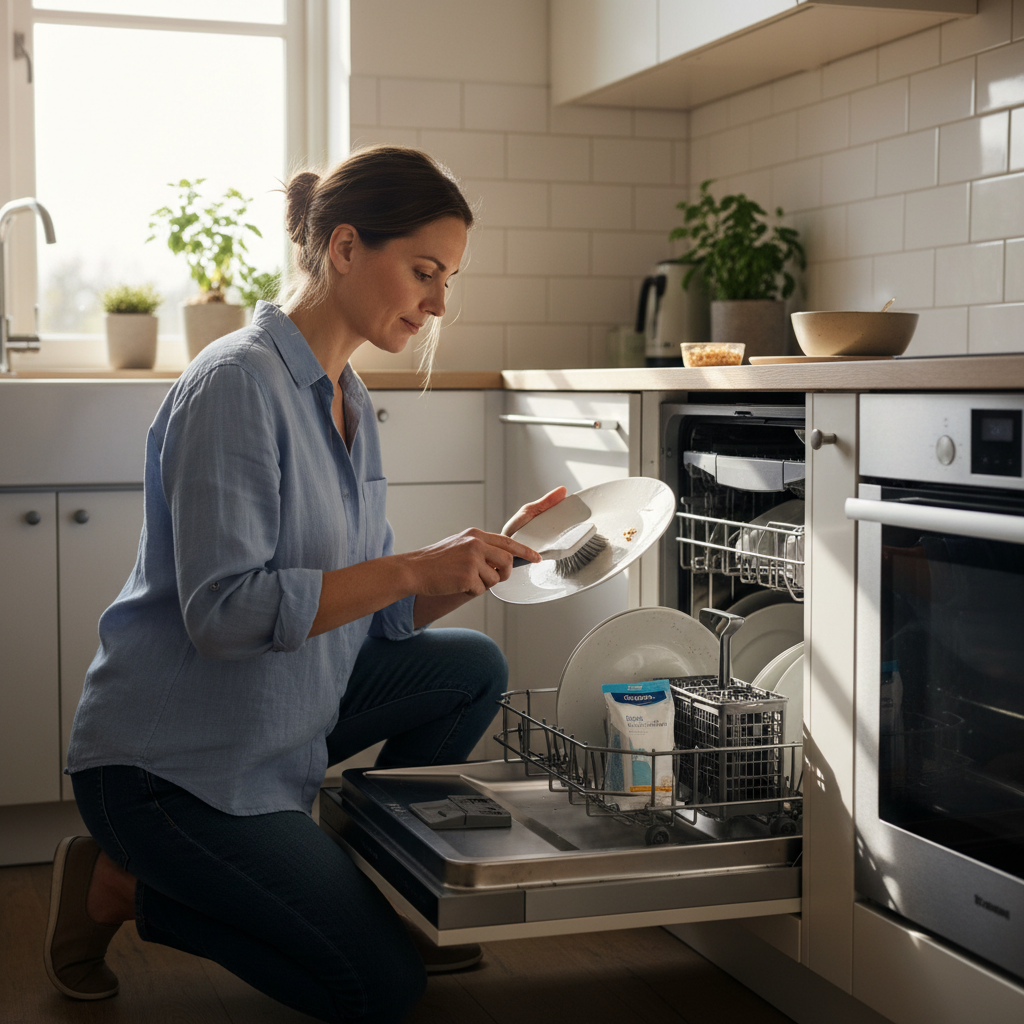
Many people believe that before loading the dishwasher, dishes *must* be meticulously rinsed to remove any lingering food particles. The logic seems sound: get rid of the big stuff, and the dishwasher can focus on the finer details. However, in 2026, this practice is largely unnecessary, and can even be counterproductive.
Why It Sounds Logical
The idea of pre-rinsing taps into our natural desire for cleanliness. We want our dishes spotless, and the thought of sending food-caked plates into a washing machine feels, well, unhygienic. Moreover, it’s easy to assume that the dishwasher, like a washing machine, needs a head start to tackle the grime.
What Actually Happens
Modern dishwashers are engineered to handle food residue. Their sensors detect the level of soiling and adjust the wash cycle accordingly. Pre-rinsing can actually trick these sensors into thinking the dishes are cleaner than they are, leading to a less thorough wash. Furthermore, pre-rinsing wastes water, negating one of the key benefits of using a dishwasher in the first place. Modern dishwashers can remove food residue, and many now have features like a “Boost Cycle” to tackle tough messes.
What Matters Instead
Instead of pre-rinsing, focus on scraping large food scraps into the trash or compost bin. Load the dishwasher efficiently, ensuring water can reach all surfaces. And, most importantly, choose the right wash cycle for the job.
The Water Usage Misunderstanding
Another common myth is that dishwashers are water guzzlers, that hand-washing is the more eco-friendly option. This misconception persists despite significant advancements in dishwasher technology.
Why It Sounds Logical
The image of a dishwasher filling with water and churning away for an hour can easily lead to the belief that it uses a substantial amount. On the other hand, hand-washing can *feel* more efficient, as we’re in control of the water flow.
What Actually Happens
Modern dishwashers are designed with water conservation in mind. Many ENERGY STAR® certified models use as little as 3-4 gallons of water per cycle. In contrast, hand-washing can easily consume 27 gallons or more, especially if you leave the tap running. Dishwashers recirculate the water, using it more efficiently.
What Matters Instead
Choose a water-efficient dishwasher, and always run full loads. Utilize the eco-mode when possible. You’ll be surprised at how little water a modern dishwasher actually uses.
The Delicate Items Dilemma
A frequent concern is whether dishwashers are safe for delicate items like glassware and fine china. The fear of breakage is understandable, but the reality is more nuanced.
Why It Sounds Logical
Glassware and fine china are often associated with fragility. The idea of these items being subjected to high water pressure and heat in a machine seems risky.
What Actually Happens
Many modern dishwashers come equipped with specialized cycles designed for delicate items. These cycles use lower water pressure, gentler temperatures, and may include features like stemware holders. Always check the manufacturer’s instructions to determine whether specific items are dishwasher-safe.
What Matters Instead
Read the labels on your dishware. Load delicate items in the top rack, away from the direct spray of the lower arms. Select the appropriate cycle for glassware or delicate items.
The Detergent Debate
The choice of detergent can also be a source of confusion. Many believe that all detergents are created equal, or that using too much will result in cleaner dishes.
Why It Sounds Logical
Detergent is a key component of the cleaning process. It seems logical that more detergent equals cleaner dishes.
What Actually Happens
Using too much detergent can leave residue on your dishes, and can also lead to build-up in the dishwasher itself. The best approach is to use the recommended amount of detergent for your dishwasher model and water hardness. Consider using a rinse aid to prevent water spots and enhance drying.
What Matters Instead
Choose a detergent that’s appropriate for your dishwasher and the type of dishes you’re washing. Use the correct amount, and consider using a rinse aid.
The Overloading Obstacle
Finally, there’s the misconception that dishwashers can handle any load, no matter how packed. While dishwashers are designed to hold a significant number of dishes, overloading can compromise their performance.
Why It Sounds Logical
We want to get as many dishes cleaned in one go, saving time and energy.
What Actually Happens
Overloading a dishwasher can prevent water from reaching all surfaces, leaving dishes dirty. It can also block the spray arms, further hindering cleaning.
What Matters Instead
Load the dishwasher strategically, ensuring dishes are not touching each other and that water can flow freely. Avoid nesting items, and ensure that taller items don’t block the spray arms.
Common Misunderstandings Debunked
Here are some additional insights that often get overlooked:
* Rinse aid is just a marketing gimmick: Not true. Rinse aid helps prevent water spots and enhances drying performance.
* All dishwashers are created equal: Definitely not. Dishwashers vary widely in features, performance, and reliability. Research different models and brands to find the best fit for your needs.
* Running a half-full load saves water: False. Dishwashers use the same amount of water regardless of load size. Wait until the dishwasher is full for the most efficient use of water and energy.
What Matters Most in 2026
In 2026, the key to optimal dishwasher performance lies in understanding the technology and using it effectively. Here’s a quick summary:
* Scrape, don’t pre-rinse: Remove large food particles, but skip the thorough pre-rinse.
* Load efficiently: Arrange dishes to allow water to circulate freely.
* Choose the right cycle: Select a cycle that matches the soil level and dish type.
* Use the recommended amount of detergent: Avoid overloading.
* Clean and maintain your dishwasher: Regularly clean the filter and inspect the spray arms.
By dispelling these common myths and embracing a more informed approach, you can unlock the full potential of your dishwasher, saving time, water, and energy, all while enjoying sparkling clean dishes. Consider an internal link to the following article for more information: Air Purifiers in 2026: Breathe Easy with Smarter Technology
Frequently Asked Questions
Here are some answers to common dishwasher questions:
-
Do I really need to use a rinse aid?
Yes, rinse aid helps prevent water spots and improves drying performance. -
Is it better to wash dishes by hand or use a dishwasher?
A modern, full dishwasher is more water-efficient than hand-washing. -
How often should I clean my dishwasher?
Aim for a deep clean every month, including the filter and spray arms. -
Can I put plastic in the dishwasher?
Many modern dishwashers have cycles specifically designed for plastic items, but always check the manufacturer’s instructions. -
What’s the best detergent to use?
Choose a detergent that’s appropriate for your dishwasher and water hardness, and follow the manufacturer’s recommendations. -
How do I load a dishwasher efficiently?
Place dishes so water can reach all surfaces, and avoid nesting items. Taller items should not block spray arms. -
Are smart dishwashers worth it?
Wi-Fi enabled dishwashers offer convenience through app control. -
How can I make my dishwasher more energy efficient?
Run full loads, use eco-programs, and skip the pre-rinse.
By now, you’re well-equipped to tackle the Great Dishwasher Deception. Embrace the facts, adjust your habits, and enjoy the convenience and efficiency of modern dishwashing. For more tips and insights, be sure to visit Josephs Well.