We all want to breathe clean air. It’s a basic human need, and in a world increasingly aware of air quality concerns, it’s no surprise that air purifiers have become a popular household appliance. But with popularity comes a whirlwind of information, often filled with misconceptions and half-truths. Let’s clear the air, so to speak, and debunk some common myths surrounding air purifiers, examining what people believe versus what actually happens in real life.
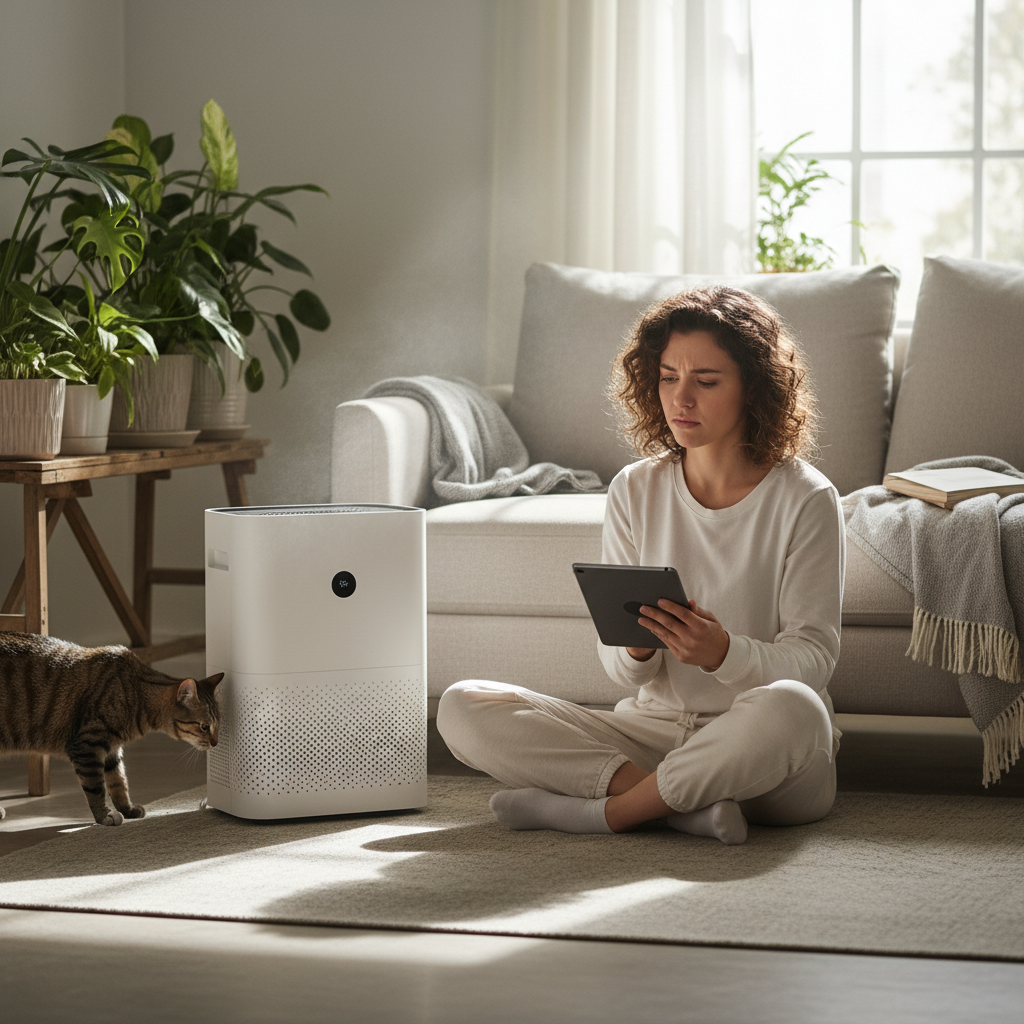
The Myth: Air Purifiers Are Only for Allergy Sufferers
This is a common belief: if you don’t have allergies or asthma, you don’t need an air purifier. Many people see these devices as a medical necessity, not a general home appliance. After all, if you aren’t sneezing, wheezing, or sniffling, why bother?
This logic seems reasonable on the surface. If you aren’t experiencing symptoms, you might assume your air is already clean enough. But this perspective overlooks a crucial point: indoor air quality can be significantly worse than outdoor air quality.
Why the Myth Sounds Logical
The association of air purifiers with allergies and asthma is strong. The marketing often focuses on these conditions, and it’s easy to assume that if you don’t have these issues, you aren’t the target audience. The immediate, noticeable relief air purifiers can bring to allergy sufferers reinforces this idea.
What Actually Happens in Real Life
Indoor air can be polluted by various sources: dust, pet dander, mold spores, cooking fumes, and volatile organic compounds (VOCs) released from furniture and cleaning products. These pollutants can affect everyone, not just those with existing respiratory conditions. Exposure to these pollutants can lead to respiratory issues, headaches, and general discomfort.
Common Misunderstandings
One misunderstanding is that a “clean-looking” home equates to clean air. Many pollutants are microscopic and invisible to the naked eye. Another is that opening windows is sufficient for cleaning indoor air. While ventilation is important, it can also introduce outdoor pollutants, especially in urban areas.
What Matters Instead
Everyone can benefit from cleaner air. Air purifiers help remove pollutants that can affect overall health and well-being. Investing in an air purifier is an investment in your health, regardless of whether you have allergies or asthma.
The Myth: All Air Purifiers Are Created Equal
This myth assumes that all air purifiers work the same way and provide the same results. This is far from true. Air purifiers vary in technology, effectiveness, and the pollutants they target.
Why the Myth Sounds Logical
Air purifiers look similar on the outside—boxes with vents and filters. This superficial similarity leads to the assumption that they all function identically. The marketing often highlights the general benefit of “clean air,” without specifying the nuances of different technologies.
What Actually Happens in Real Life
Air purifiers utilize various technologies. High-Efficiency Particulate Air (HEPA) filters are excellent at removing particulate matter like dust, pollen, and pet dander. Activated carbon filters are designed to absorb odors, chemicals, and gases. UV-C light purifiers use ultraviolet light to kill microorganisms. Some air purifiers even use ionization. The best air purifiers often combine these technologies to target a broader range of pollutants.
Common Misunderstandings
The main misunderstanding is a lack of awareness of the different filter types and their specific functions. People may buy an air purifier without considering their particular air quality needs. Another misunderstanding is the assumption that a single filter is sufficient for all pollutants.
What Matters Instead
Choose an air purifier based on your specific needs. If you have allergies, a HEPA filter is crucial. If you are concerned about odors or VOCs, look for an activated carbon filter. Consider the size of the room and the air purifier’s coverage area.
The Myth: Air Purifiers Are a Substitute for Ventilation
Some believe that if you have an air purifier, you don’t need to ventilate your home. This is a dangerous misconception.
Why the Myth Sounds Logical
Air purifiers are designed to clean the air, so it’s easy to assume they remove the need for fresh air. Marketing often focuses on the purifier’s ability to filter the air, without emphasizing the importance of ventilation.
What Actually Happens in Real Life
Air purifiers filter the air within a space, removing pollutants, but they do not replace the need for ventilation. Ventilation, which involves opening windows or using exhaust fans, removes stale air and introduces fresh air. This is essential for controlling humidity, reducing indoor pollutants, and ensuring adequate oxygen levels.
Common Misunderstandings
The primary misunderstanding is that air purifiers can address all air quality issues. Another is the belief that air purifiers can eliminate the need for fresh air exchange.
What Matters Instead
Air purifiers and ventilation complement each other. Air purifiers improve air quality within a space, while ventilation ensures a constant supply of fresh air. Use both for optimal air quality.
The Myth: Air Purifiers Dry Out the Air
This is a common concern, especially in the winter when indoor air is already dry. The myth is that air purifiers lower humidity levels, leading to dry air and discomfort.
Why the Myth Sounds Logical
Many people associate air purifiers with air conditioners, which can indeed dry the air. The physical appearance of the two devices is also similar, potentially leading to the association.
What Actually Happens in Real Life
Air purifiers do not affect moisture levels in the environment. Their function is to filter pollutants, not to remove moisture. If your indoor air is dry, you might need a humidifier.
Common Misunderstandings
The primary misunderstanding is a confusion between air purifiers and air conditioners. Another misunderstanding is assuming that the air filtration process inherently removes moisture.
What Matters Instead
Air purifiers and humidifiers serve different purposes. Use an air purifier to clean the air and a humidifier to add moisture.
The Myth: Air Purifiers Work Instantly
This myth suggests that an air purifier will immediately improve air quality the moment it’s turned on.
Why the Myth Sounds Logical
We often expect immediate results from our appliances. Marketing often overstates the speed at which air purifiers work.
What Actually Happens in Real Life
Air purifiers take time to significantly reduce particle concentrations, especially in larger rooms or areas with high pollution levels. The time it takes depends on factors like the room size, the type of purifier, and the level of pollutants.
Common Misunderstandings
One misunderstanding is that the air will be completely clean within minutes of turning on the purifier. Another is the belief that a small air purifier can instantly clean a large space.
What Matters Instead
Be patient. Air purifiers work gradually. Give the purifier time to clean the air, especially in a large or heavily polluted area.
The Myth: Air Purifiers Are Expensive to Maintain
While air purifiers do incur costs, the myth is that these costs are prohibitive, making them an unaffordable appliance.
Why the Myth Sounds Logical
The initial purchase price of air purifiers can be significant. The need for filter replacements suggests recurring costs, and some people assume these replacements are expensive.
What Actually Happens in Real Life
The main recurring cost is filter replacement, not electricity usage. Modern air purifiers are energy-efficient, and the cost of filter replacements varies depending on the type and usage. However, the cost is not typically as high as people assume.
Common Misunderstandings
The main misunderstanding is that the operating costs are extremely high. Another misunderstanding is the belief that filters need to be replaced very frequently.
What Matters Instead
Consider the long-term cost of clean air, which can improve your health and well-being. Filter replacement is a necessary expense, but it is often manageable.
The Myth: All Air Purifiers Eliminate All Types of Air Pollution
This myth implies that all air purifiers can remove all pollutants, which is untrue.
Why the Myth Sounds Logical
Marketing often highlights the general benefit of “clean air,” without specifying the limitations of different technologies. The broad term “air pollution” can be misleading, as it encompasses various substances.
What Actually Happens in Real Life
Air purifiers are excellent at removing particulate matter like dust, pollen, and pet dander. However, they may not be effective against gases, VOCs, or certain chemicals unless they have a carbon filter or other specialized technology. Also, not all models are effective at capturing microorganisms like bacteria or mold unless they have high-efficiency HEPA filters and are used properly.
Common Misunderstandings
One misunderstanding is the assumption that a single air purifier can address all air quality issues. Another is a lack of awareness of the specific pollutants that different filter types target.
What Matters Instead
Understand the limitations of your air purifier and choose the right one for your specific needs. Regular cleaning, proper ventilation, and using the correct filter type are essential.
2025–2026 Relevance: Adapting to a Changing World
The myths surrounding air purifiers persist, but their relevance in 2026 is undeniable. The increasing awareness of air quality, the impact of climate change, and the rise of remote work have all contributed to the growing importance of indoor air quality.
Whether it’s the lingering effects of wildfire smoke, increased pollen counts due to climate change, or the desire for a healthier home environment, air purifiers offer a valuable solution. As technology evolves, so does the efficiency and effectiveness of these devices. Smart air purifiers that monitor and report on air quality in real time are becoming more common.
Clear Takeaway: Informed Choices for a Healthier Home
The key takeaway is to make informed choices. Air purifiers are a valuable tool for improving indoor air quality, but they are not a magic bullet. Understanding the myths, the different technologies, and your specific needs will allow you to choose the right air purifier and use it effectively. Combine it with proper ventilation and regular cleaning, and you can significantly improve the air you breathe every day. For more information, explore the Josephs Well for other tips about your environment.
FAQ: Clearing Up Common Air Purifier Questions
Here are some frequently asked questions (FAQ) to further clarify the myths and provide more comprehensive information:
1. How do I know if I need an air purifier?
Consider your environment and lifestyle. Do you live in an urban area, near a busy road, or in an area prone to wildfires? Do you have pets, allergies, or asthma? Are you concerned about indoor air quality? If you answered yes to any of these questions, an air purifier could be beneficial.
2. What kind of air purifier is best for allergies?
Look for a HEPA filter. These filters can capture 99.97% of particles as small as 0.3 microns, including pollen, pet dander, and dust mites.
3. How often should I replace the filters?
Filter replacement frequency varies depending on the type of filter, usage, and environmental conditions. Follow the manufacturer’s recommendations. HEPA filters typically need to be replaced every 6–12 months, while activated carbon filters may need to be replaced more frequently.
4. Do air purifiers really help with odors?
Some air purifiers with activated carbon filters can reduce odors. However, they may not eliminate all smells, especially persistent odors like kitchen fumes or pet odors.
5. Can air purifiers remove viruses?
HEPA filters can capture some viruses, and UV-C light can neutralize them. Air purifiers can lower the concentration of airborne particles, but they are not a standalone defense against viruses. Proper hygiene and ventilation are still essential.
6. Where should I place my air purifier?
Place the air purifier in a central location in the room, away from walls and obstructions. Make sure the air inlet and outlet are not blocked.
7. How long should I run my air purifier?
Run your air purifier continuously, especially during periods of high pollution or if you have allergies or asthma. Most air purifiers are designed to run 24/7.
8. Are smart air purifiers worth the extra cost?
Smart air purifiers offer features like air quality monitoring, automatic adjustments, and app control. These features can enhance convenience and provide valuable information about your indoor air quality. Whether they are worth the extra cost depends on your needs and preferences.