It’s 7:00 AM. The alarm blares, jolting you awake. You stumble out of bed, the familiar morning routine begins: coffee maker, lights on in the kitchen, maybe the TV playing in the background for some company. Throughout the day, similar scenes play out. The laptop is charging, the phone is plugged in, and the Wi-Fi router hums quietly. But what if I told you a significant chunk of your electricity bill is being devoured by unseen “vampires” lurking in your home? It’s a smart-living area that many of us overlook, but the impact on your monthly expenses – and the environment – can be considerable.
The Inefficiency You Don’t See: Phantom Loads
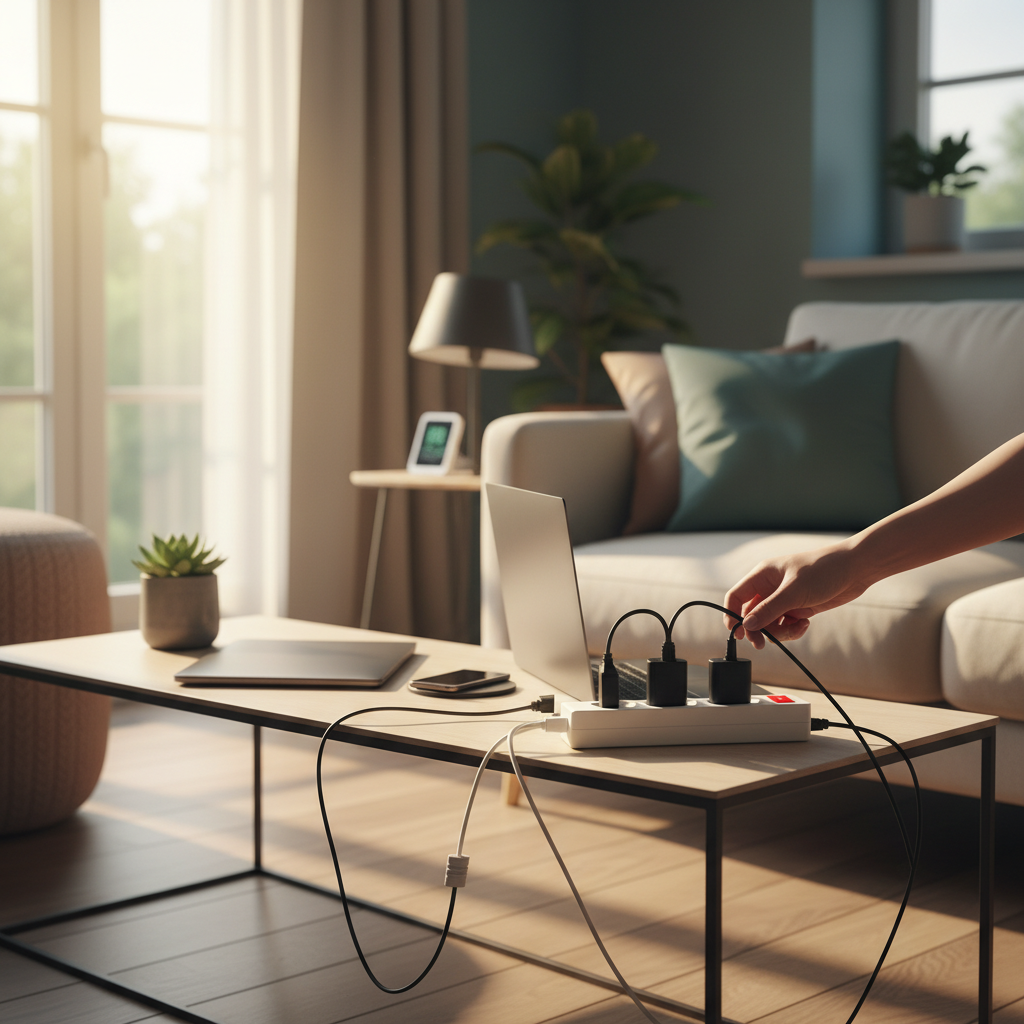
The unseen energy drains I’m talking about are called “phantom loads,” or “vampire power”. These are the appliances and electronics that continue to consume electricity even when they’re turned off. Think of your TV in standby mode, the game console awaiting your next session, or the phone charger that’s been plugged in since last night. They’re silently drawing power, 24/7. These phantom loads can account for as much as 5% to 10% of your total household energy consumption, according to the U.S. Department of Energy. That’s money literally disappearing into thin air.
Why We Overlook This Costly Habit
Why do we overlook these inefficiencies? Here are a few reasons:
* **Convenience:** We want our devices ready to go. Unplugging and plugging things in is a hassle.
* **Ignorance:** We’re simply unaware of the extent of the problem. Many of us don’t realize how much energy is wasted.
* **Out of Sight, Out of Mind:** These devices are often tucked away, making it easy to forget about them.
* **The “It’s Not Much” Mentality:** A few watts here and there don’t seem like a big deal, but they add up over time.
The Risks and Inefficiencies at Play
Beyond the financial cost, there are other inefficiencies and potential risks to consider:
* **Environmental Impact:** Wasted energy contributes to greenhouse gas emissions and increases your carbon footprint.
* **Overheating:** Some devices, like chargers, can get warm even when not in use, potentially posing a fire hazard.
* **Reduced Appliance Lifespan:** Constantly plugged-in devices may experience a shortened lifespan.
Common Wrong Habits: The Energy Wasters
So, what are some of the wrong habits contributing to this issue?
* **Leaving Devices Plugged In Constantly:** This is the biggest culprit. Chargers, TVs, gaming consoles, and other electronics are almost always plugged in, ready for use.
* **Not Using Power Strips:** Many devices are plugged into the wall, which doesn’t allow for easy management and control.
* **Ignoring Standby Mode:** Leaving electronics in standby mode is a major energy drain.
* **Not Unplugging Seldom-Used Appliances:** Appliances like spare refrigerators, or rarely used coffee makers, can waste a lot of energy.
System-Level Improvements: Smart Solutions
Fortunately, there are simple system-level improvements you can implement to combat these energy vampires:
1. **Embrace Smart Plugs:** Smart plugs are the cornerstone of this efficiency upgrade. These small devices plug into your wall outlets, and then you plug your electronics into them. They allow you to:
* **Remotely Control Devices:** Turn devices on and off from your smartphone, no matter where you are.
* **Schedule Devices:** Set timers to automatically turn devices off at specific times.
* **Monitor Energy Usage:** Track how much energy each device is consuming.
* **Integrate with Voice Assistants:** Control devices with voice commands through assistants like Alexa or Google Assistant.
2. **Use Smart Power Strips:** Smart power strips take the concept a step further. They often have features like:
* **Automatic Shut-Off:** Detect when a device is not in use and cut off power.
* **Surge Protection:** Protect your electronics from power surges.
* **Individual Outlet Control:** Control each outlet separately.
3. **Unplug Devices When Not in Use:** This is the most basic step. Make a habit of unplugging chargers, and other electronics when you’re not using them.
4. **Audit Your Home:** Walk through your home and identify all the devices that are plugged in. Note which ones you can easily unplug, and which ones would benefit from a smart plug or smart power strip.
Modern Lifestyle Relevance: A Seamless Transition
These smart living solutions are perfectly suited for modern lifestyles. They offer:
* **Convenience:** Automate your devices and simplify your routine.
* **Integration:** Easily integrate smart plugs and power strips with your existing smart home setup.
* **Data-Driven Insights:** Monitor your energy usage to identify the biggest energy drains.
* **Cost Savings:** Reduce your electricity bill and save money.
* **Environmental Responsibility:** Lower your carbon footprint.
Long-Term Peace & Convenience Benefits
By implementing these small changes, you’ll experience:
* **Reduced Energy Bills:** Save money every month.
* **Environmental Benefits:** Reduce your carbon footprint and contribute to a more sustainable future.
* **Peace of Mind:** Knowing that you’re not wasting energy and that your home is more energy-efficient.
* **Increased Convenience:** Automate your devices and simplify your daily routine.
Consider checking out Smart Home Security in 2026: Staying Safe in a Connected World for additional home efficiency and smart living ideas.
## Frequently Asked Questions
**1. How much money can I really save by unplugging devices?**
The savings vary depending on the number of devices you have and their energy consumption. However, you could potentially save hundreds of dollars a year. Smart plugs can help you monitor this directly.
**2. Are smart plugs difficult to set up?**
No, smart plugs are generally easy to set up. Most connect to your home Wi-Fi network and can be controlled through a smartphone app.
**3. Do smart plugs use energy themselves?**
Yes, smart plugs do consume a small amount of energy to operate. However, it’s typically a minimal amount compared to the energy savings they provide.
**4. Are there any safety concerns with smart plugs?**
Smart plugs are generally safe. However, make sure to choose models from reputable brands and follow the manufacturer’s instructions. Avoid overloading the plugs.
**5. What are the best smart plugs to buy?**
There are many great smart plugs on the market. Some popular brands include TP-Link Kasa, WeMo, and Philips Hue. Research and compare models based on features and pricing. You can find some of the top picks on various tech websites.
**6. Can I use smart plugs with all types of appliances?**
Most smart plugs can handle standard appliances. However, it’s important to check the plug’s power rating to ensure it can handle the wattage of the appliance you plan to use it with. Avoid using them with high-powered appliances like space heaters, unless the plug is specifically designed for that purpose.
**7. Where can I learn more about smart living and home efficiency?**
You can find a wealth of information online, including articles, blogs, and videos. Websites like Josephs Well offer practical guides and resources on various aspects of smart living, including safety, efficiency, and home automation.
**8. Are there any other ways to save on my electricity bill?**
Yes! Beyond addressing phantom loads, other effective strategies include switching to LED light bulbs, using a smart thermostat, and improving your home’s insulation.