Remember those clunky timers your parents used for the Christmas tree lights? They were a step up from manually plugging and unplugging, but let’s be honest, they were a bit…basic. Fast forward to 2026, and we have smart plugs. These little devices are the unsung heroes of the smart home, offering a level of convenience, control, and even energy savings that those old timers could only dream of.
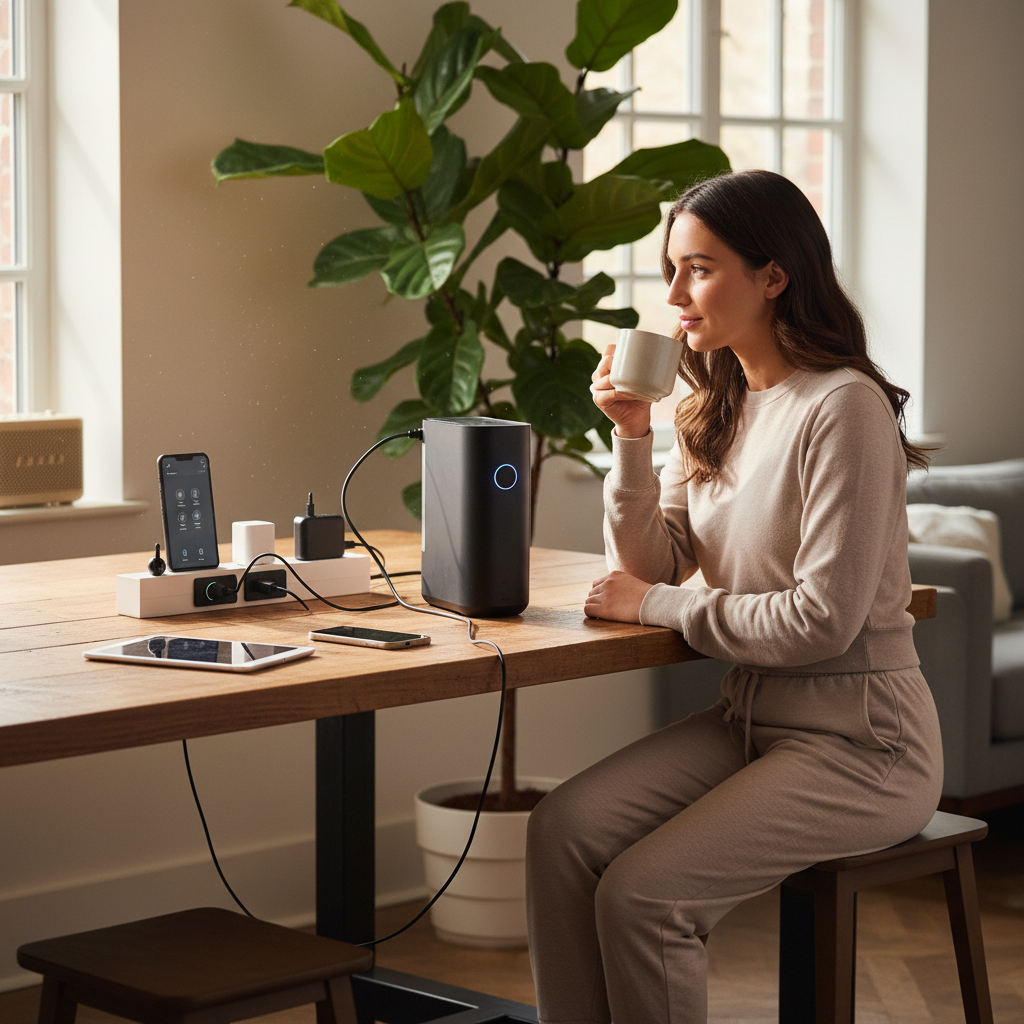
Why Smart Plugs? Beyond the On/Off Switch
So, what makes a smart plug so…smart? At their core, smart plugs are simple: they sit between your appliance and the wall outlet. But unlike a regular plug, they connect to your home’s Wi-Fi network. This seemingly small change opens up a world of possibilities:
* **Remote Control:** Forgot to turn off the iron? No problem. With a tap on your phone, you can shut it off from anywhere.
* **Scheduling:** Set your coffee maker to brew automatically in the morning or have your living room lights turn on at sunset.
* **Energy Monitoring:** Some smart plugs can track how much energy a device is using, helping you identify “vampire” appliances that suck power even when turned off.
* **Voice Control:** Integrate with voice assistants like Alexa or Google Assistant for hands-free control.
I remember when I first started using smart plugs. It was a revelation. I used to worry constantly about leaving things on. Now, I have peace of mind. And the scheduling feature? Game changer.
Misconceptions and Misuse: The Downside of Convenience
While smart plugs offer a lot, it’s easy to misunderstand their capabilities or misuse them. Here are some common pitfalls:
* **Overloading:** Not all smart plugs are created equal. Some have a limited power capacity. Plugging a high-wattage appliance like a space heater into a plug not rated for it can be a fire hazard. Always check the plug’s specifications.
* **Wi-Fi Dependency:** Smart plugs rely on a stable Wi-Fi connection. If your internet goes down, so does your control.
* **Security Vulnerabilities:** Like any connected device, smart plugs can be vulnerable to hacking if not properly secured. Make sure you use a strong password and keep the firmware updated.
* **Ignoring the Basics:** Smart plugs are great, but they won’t fix underlying energy inefficiencies. For example, plugging a very old refrigerator into a smart plug will still mean the fridge will use a lot of power.
* **Assuming it’s a “set it and forget it” solution:** Smart homes require maintenance too.
Common Long-Term Problems: What to Watch Out For
Smart plugs, like any tech, aren’t immune to problems. Here’s what to keep an eye on:
* **Software Updates:** Manufacturers release updates to fix bugs and improve security. Make sure your plugs are updated regularly.
* **Compatibility Issues:** As technology evolves, older plugs may become incompatible with new smart home ecosystems or Wi-Fi standards.
* **”Bricking” (Becoming useless):** As the article [“Smart home becomes a harder sell when device makers arbitrarily pull the plug”](https://vertexaisearch.cloud.google.com/grounding-api-redirect/AUZIYQH_Aa87B2KeXMR9K3esRm-V8vEdhGmeEeE7AkkOWMD_v4GQz5OExYiF98tkqopaDv74l8UYmhV6O7fvpt7GldFcaJcq-jq_39rqw3gOuulRcE9d61vAjw4tap-Yf1cJvyWHyvdz3Oj8NAr9l7HWk3UOIKzQ7_WQUuGiEx0Te5dbcrFJq_omhcrhgoqT7qBNS-m3gcn3f5LV3CM9Hdm_nSJuHIHxK940CfBnGC1fiwGNP7ekyqt3QJQ6iXU=) points out, some manufacturers may end support for older devices, rendering them useless. This is something to consider before investing in a specific brand.
* **Physical Wear and Tear:** Over time, the constant plugging and unplugging, and the heat generated by the device, can wear out the plug itself.
* **Network Congestion:** As you add more smart devices, they can put a strain on your Wi-Fi network. This can slow down all your devices, not just the smart plugs. The article [“Stop “Smart-ifying” your light bulbs: Smart Plugs are the secret to a resilient home”](https://vertexaisearch.cloud.google.com/grounding-api-redirect/AUZIYQEulajiDAF1plxDrtV-C3kcalFtQKN4h1ASy7CcpNqibJHqdEjb3s-8IqKxJIxXRkg-woppvE2TUbjL6KJVMIt6hyMzhUQ6EP7U89ZpNHGUQHZLW1LRchsXEcHjEUUoBzyd8nSvxF3_eL7od_d57JVJt4ECvC4rnt0vC49Jt2aCz4wV) suggests that smart plugs can be more resilient to Wi-Fi issues than smart bulbs.
Smart Usage & Maintenance Habits: Keeping Things Running Smoothly
To get the most out of your smart plugs and ensure they last, follow these habits:
* **Choose the Right Plug:** Consider the wattage of the appliances you’ll be using. Also, look for features like energy monitoring if you want to track usage. The electrician’s picks in the article [“Best Smart Plugs for 2026 – Electrician’s Top Recommendations – SparkWise Electric”](https://vertexaisearch.cloud.google.com/grounding-api-redirect/AUZIYQEIbBe4W4lNCsnjOHMfDwdDF5z94xKEmMBafPji0nPA5MdfHzQOzRIWlTHr9e6ucH1xu9j6Zs1Qe61ccvUX8kIPxmv1Cspd6w43C2mUGSih02hu7HTCa-CnJQmUh3X6cCCC9vKTzfL4eS2A) are useful.
* **Prioritize Safety:** Never overload a smart plug. Avoid plugging multiple high-wattage appliances into a single outlet. Look for plugs with safety certifications (UL-listed or ETL-marked).
* **Secure Your Network:** Use a strong Wi-Fi password and enable two-factor authentication on your smart home accounts.
* **Regularly Check for Updates:** Keep the firmware of your smart plugs updated to address security vulnerabilities and improve performance.
* **Monitor Energy Usage:** Use the energy monitoring feature (if available) to identify energy-hungry devices and adjust your usage habits.
* **Consider a Mesh Network:** If you have a large home or experience Wi-Fi dead zones, consider a mesh Wi-Fi system to ensure a strong and reliable connection for all your smart devices.
* **Don’t Over-Automate:** While automation is convenient, avoid overcomplicating things. Start with simple schedules and gradually add more complex automations as needed.
* **Unplug when needed:** If you’re going on vacation, consider unplugging smart plugs that control non-essential devices to save energy and minimize the risk of a potential security breach.
2026 Relevance: Smart Plugs in a Changing World
In 2026, smart plugs are more relevant than ever. Here’s why:
* **Energy Efficiency:** With rising energy costs and growing concerns about climate change, smart plugs can help you reduce your energy consumption and lower your bills.
* **Integration with Smart Home Ecosystems:** Smart plugs are becoming increasingly integrated with other smart home devices, allowing for seamless automation and control.
* **Matter Compatibility:** Some smart plugs now support Matter, a new smart home standard that allows devices from different manufacturers to work together seamlessly. This is a big step towards a more unified and user-friendly smart home experience.
* **Focus on Sustainability:** Smart plugs align with the growing focus on sustainable living. By reducing energy waste, they contribute to a smaller carbon footprint.
* **Value for Money:** Smart plugs are relatively inexpensive, making them an accessible way to add smart features to your home.
Future-Proof Advice: What Actually Matters
The smart home landscape is constantly evolving. Here’s how to ensure your smart plug investment remains relevant:
* **Choose Compatible Devices:** Opt for smart plugs that work with popular smart home platforms like Alexa, Google Assistant, and Apple HomeKit.
* **Prioritize Security:** Choose plugs from reputable brands with a good track record of security.
* **Consider Matter:** Look for Matter-compatible smart plugs to ensure future compatibility.
* **Don’t Overspend:** Prices and features will continue to evolve. Focus on the features you need and avoid overpaying for unnecessary bells and whistles.
* **Keep it Simple:** Don’t get overwhelmed by complex setups. Start with a few well-chosen smart plugs and gradually expand your system as needed.
* **Focus on Functionality:** Consider how smart plugs can actually *improve* your life, whether it’s through convenience, energy savings, or peace of mind.
Smart plugs are a great entry point into the world of smart homes, and they can be incredibly useful when used correctly. And, if you’re looking for more information on home appliances and ways to make your home more energy efficient, take a look at my article, [“The Air Fryer Myth: Is it *Really* Healthy? Debunking the Crispy Illusion in 2026”](https://josephswel.info/the-air-fryer-myth-is-it-really-healthy-debunking-the-crispy-illusion-in-2026/) for more ideas.
FAQ: Your Smart Plug Questions Answered
Here are some common questions about smart plugs:
**1. Are smart plugs safe?**
Yes, smart plugs are generally safe when used correctly. However, it’s crucial to follow the manufacturer’s instructions and avoid overloading them or using them with high-wattage appliances that exceed their rated capacity. Look for plugs with safety certifications.
**2. Do smart plugs save energy?**
Smart plugs themselves don’t save energy, but they can help you *reduce* energy consumption by allowing you to turn off devices that would otherwise be left on, such as TVs or game consoles in standby mode. Energy monitoring features on some plugs can help you identify energy-hungry appliances.
**3. Do smart plugs require a hub?**
Some smart plugs connect directly to your Wi-Fi network and don’t require a separate hub. Others, especially those using Zigbee or Z-Wave, require a hub to communicate with your home network.
**4. Can smart plugs be hacked?**
Yes, smart plugs, like any connected device, are potentially vulnerable to hacking. To minimize the risk, use a strong Wi-Fi password, keep the firmware updated, and only purchase plugs from reputable brands.
**5. Can I use smart plugs outdoors?**
Yes, you can use smart plugs outdoors, but make sure to choose a model specifically designed for outdoor use. These plugs are typically weather-resistant and designed to withstand the elements.
**6. What is energy monitoring, and is it worth it?**
Energy monitoring allows you to track the real-time energy consumption of the device plugged into the smart plug. This is valuable for identifying energy-hungry appliances and adjusting your usage habits to save money on your electricity bill. Whether it’s “worth it” depends on your priorities; if saving money on energy is a concern, energy monitoring is very useful.
**7. How do I set up a smart plug?**
The setup process varies depending on the brand and model, but generally involves plugging the smart plug into an outlet, downloading the companion app on your smartphone, and following the on-screen instructions to connect the plug to your Wi-Fi network.
**8. What happens if the Wi-Fi goes down?**
If your Wi-Fi goes down, you’ll lose the ability to control your smart plugs remotely or use any scheduled automations. However, the appliance plugged into the smart plug will continue to function normally if it was already on when the Wi-Fi went down. Some smart plugs have a physical button, so the device can be controlled manually.