Remember that feeling when you first got a smartphone? It felt like magic. Suddenly, the world was in your pocket. Smart homes, in 2026, are a bit like that – but instead of just information, they’re bringing control, efficiency, and a touch of the future right into your living space. But let’s be real, it’s not all sunshine and robots. I’ve spent over two decades navigating the ever-changing landscape of home technology, and I’ve seen firsthand what works, what doesn’t, and where the real value lies. This isn’t a sales pitch; it’s a practical guide based on real-world experience. I’m going to share what I’ve learned about making your home smarter, not just for the sake of it, but to truly enhance your life.
The Dawn of the Smart Home: Beyond the Hype
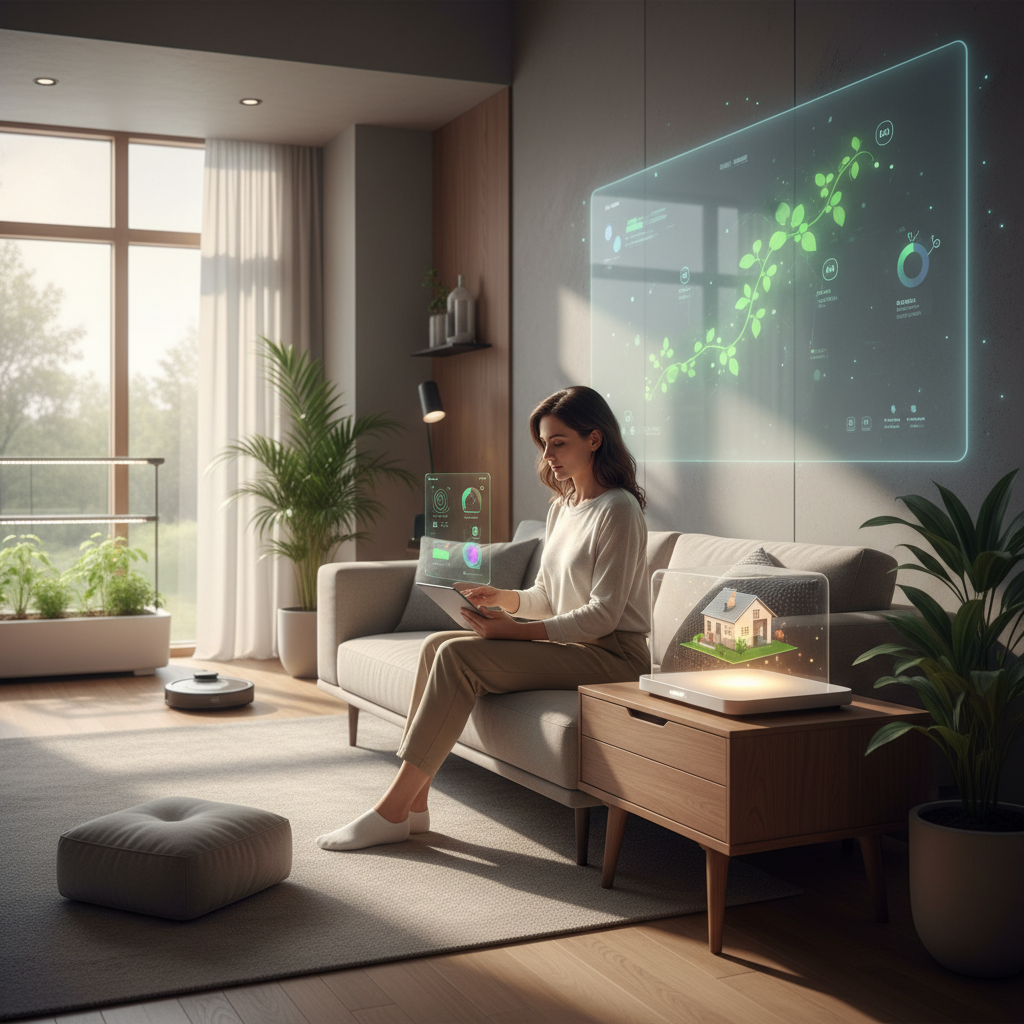
Let’s rewind. Ten years ago, “smart home” meant a few internet-connected devices, maybe a programmable thermostat. It was cool, but often clunky. Today, the game has changed. We’re talking about homes that learn your habits, anticipate your needs, and actively work to make your life easier and more efficient. The core of the smart home revolution lies in interconnected devices and systems, all communicating and controlled through your home network, often via smartphones, voice assistants, or a central hub. Smart home technology automates everyday tasks, learns user habits, and adjusts settings automatically, all while helping manage energy usage without constant input.
The vision is compelling, but the reality can be a bit more nuanced. One of the biggest mistakes people make is jumping in without a plan. They get caught up in the latest gadgets and end up with a collection of devices that don’t talk to each other. This creates frustration, not convenience. Remember, the goal is a cohesive system, not a collection of isolated toys. The true benefit comes from systems that communicate and work together.
Smart Home Tech: Where to Start (and What to Avoid)
So, where do you begin? Start with the basics. There are a few key areas where smart home tech offers immediate and tangible benefits:
- Energy Efficiency: This is where the smart home really shines. Smart thermostats are arguably the biggest energy savers in a smart home. You can program them to reduce or raise your home’s temperature when you’re not around to help you save energy. Smart plugs can eliminate “phantom power” by cutting off power to devices that are not in use, and smart lighting, especially with LED bulbs, consumes significantly less energy than traditional bulbs. Smart appliances can also be set to operate during off-peak hours. A smart thermostat can help regulate temperatures and maintain heat, and can even be programmed via smart hubs for easier access.
- Security: Smart security systems have evolved beyond basic alarms. They now include surveillance cameras, video doorbells, and motion-activated lights, all controllable via smartphone, ensuring peace of mind from anywhere.
- Convenience: Voice control is central to smart living. Devices like Amazon Echo, Google Home, and Apple HomePod respond to spoken commands to adjust lights, set reminders, or lock doors.
One of the easiest ways to manage your smart home and save money is by installing an ENERGY STAR smart thermostat.
What to Avoid: Don’t get bogged down in features you don’t need. Focus on the core benefits first: energy savings, security, and convenience. Also, avoid products that are not compatible with the major smart home platforms (Apple HomeKit, Google Home, Amazon Alexa). This will save you headaches down the road. Matter is a unified, IP-based open-source connectivity standard that any Matter-certified device can work with any Matter-supported ecosystem.
Smart Home Problems: The Hidden Pitfalls
Even with the best intentions, smart homes can run into trouble. Here are some common issues I’ve seen over the years:
- Connectivity Issues: A weak or unreliable Wi-Fi signal can cripple your smart home. Ensure a strong and stable connection throughout your house. Regularly reboot your router to prevent connection dropouts and improve communication between devices. Consider upgrading your router or adding range extenders.
- Security Vulnerabilities: Any device connected to the internet is a potential target. Secure your Wi-Fi network and update your devices’ firmware regularly. Consider a dedicated IoT network. This can help protect your smart appliances from hacking and safeguard personal data.
- Maintenance Overlooked: Smart appliances, like your phone or computer, require maintenance. This includes software updates, cleaning sensors and filters, and regular inspections.
- Integration Headaches: Incompatible devices can be a constant source of frustration. Prioritize devices that work together seamlessly.
- The “Notification Trap”: Constant alerts and notifications can be overwhelming and counterproductive. Learn to manage your notifications and create a healthy relationship with your technology. I covered this in more detail in my article, “The Notification Trap: Why We’re Constantly Checking, and How to Get Back in Control“.
Smart Usage & Maintenance: Your Home’s Long-Term Health
Maintaining your smart home is crucial to ensuring your devices function effectively and last longer. Here’s a practical checklist:
- Regular Software Updates: Keep your appliance software current. Check for updates quarterly. Many manufacturers release periodic updates to fix bugs, improve performance, and enhance security.
- Cleaning: Dust can accumulate on devices and hinder their functionality. Regularly clean the exterior surfaces of your devices with a soft, dry cloth. Smart appliances often have sensors and filters that need cleaning. Clean refrigerator coils and dryer vents regularly.
- Network Maintenance: Make sure your appliance stays connected to Wi-Fi.
- Energy Monitoring: Regularly review the data from your energy monitoring system.
- Professional Check-ups: Schedule annual or bi-annual maintenance checks with a qualified technician.
2026: What Really Matters in Smart Home Tech
In 2026, smart home technology has matured in ways that make it practical and meaningful for everyday life. The focus is shifting towards:
- Sustainability: Energy efficiency and integrating renewable energy sources are key. Smart systems that optimize heating, cooling, and lighting based on your habits can reduce energy bills by up to 30%.
- AI Integration: AI is evolving from a buzzword to a practical helper in your home. Imagine systems that learn your routines and adjust automatically, without constant reprogramming.
- Seamless Integration: Matter is designed to make all devices work together.
- Predictive Maintenance: AI-powered systems can predict when appliances need maintenance, preventing costly repairs and extending their lifespan.
- Health and Wellness: Homes are becoming more focused on well-being. Advanced air quality monitoring and lighting systems that support your circadian rhythm are becoming increasingly common.
Future-Proofing Your Smart Home: The Smartest Moves
To truly future-proof your smart home, focus on these key strategies:
- Prioritize Interoperability: Choose devices that are compatible with the major platforms and, ideally, support Matter.
- Embrace Automation: Let your home do the work. Automate your routines and settings as much as possible.
- Monitor and Adapt: Regularly review your energy usage and security logs. Make adjustments as needed.
- Focus on Security: Keep your systems updated, and be proactive about protecting your data.
- Think Long-Term: Invest in quality devices that are built to last.
Smart home technology is about creating an intelligent, efficient, and connected living space that adapts to your needs.
FAQ: Your Smart Home Questions Answered
Here are some of the most common questions I get asked, answered in plain English:
- Is a smart home expensive?
The upfront cost can be higher, but the long-term benefits (energy savings, reduced utility bills, and enhanced security) can often offset the initial investment. Start small and add features as your budget allows. Many smart home devices are quite affordable, such as smart plugs.
- Are smart homes secure?
Like any connected device, smart homes are vulnerable. However, by using strong passwords, keeping your software updated, and using a dedicated IoT network, you can significantly reduce your risk.
- Will my smart home devices become obsolete?
Technology evolves, but you can minimize this risk by choosing devices that support industry standards like Matter and by focusing on core functionality rather than the latest fleeting trends.
- How do I maintain my smart home devices?
Regular software updates, cleaning, and basic network maintenance are essential. Follow the manufacturer’s instructions and schedule regular check-ups. See Josephs Well for more information.
- What are the best smart home devices for beginners?
Smart plugs, smart bulbs, and smart thermostats are a great place to start. They’re easy to install and offer immediate benefits.
- How much can I save on my energy bills with a smart home?
Savings vary, but many homeowners see a 10-30% reduction in energy costs, especially with smart thermostats and efficient appliances. The use of a smart thermostat can save you 8% annually on utility bills.
- How do I integrate solar panels with my smart home?
Many smart home systems integrate with solar panels and home batteries, optimizing when and how electricity is used, reducing reliance on grid power and fossil fuels. Look for systems that offer smart energy management and monitoring.
- What are the biggest challenges of smart home technology?
The biggest challenges include initial setup complexity, ensuring interoperability between devices, and potential security vulnerabilities. However, these challenges are becoming less significant as the technology matures.
The smart home journey is a marathon, not a sprint. Start with a solid foundation, focus on your needs, and enjoy the process of creating a home that’s truly tailored to your life. In 2026, it’s about making smarter use of your home’s resources.