It was a Tuesday, and the kids were already late for school. I was rushing around, packing lunches and trying to find matching socks (a never-ending battle, I swear). That’s when I heard it – a faint *drip, drip, drip* coming from under the kitchen sink. “Oh no,” I thought. “Not now.” A quick check revealed the dreaded truth: a slow, persistent leak.
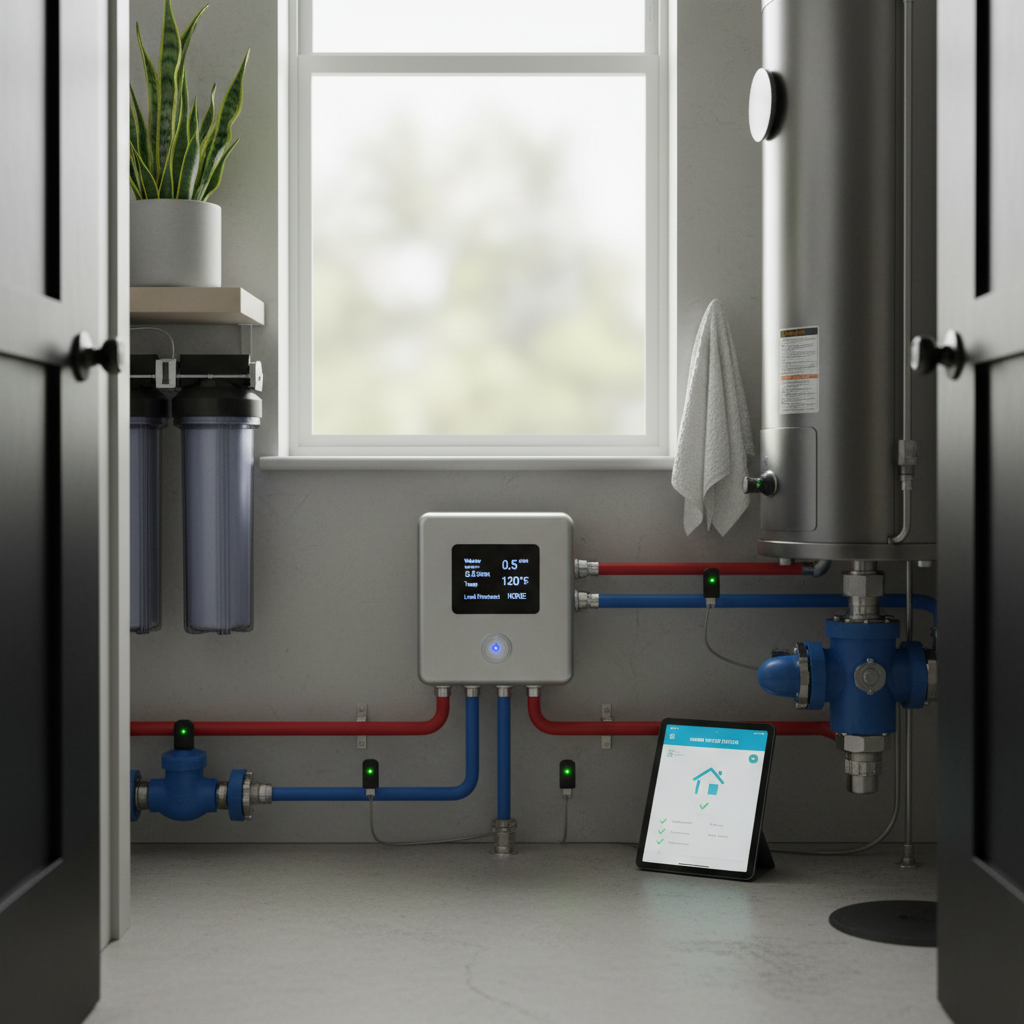
Now, a small leak might seem like no big deal. But over time, that water adds up. It can warp cabinets, damage flooring, and encourage mold growth. If you are a homeowner, water damage is one of the biggest risks you face. Luckily, in 2026, we have a powerful ally in the fight against water damage: smart home technology.
Why Smart Water Leak Detection?
Before the smart home era, finding a leak often meant a nasty surprise – a flooded basement, a warped floor, or a hefty repair bill. The old way of doing things relied on visual inspections and hoping for the best. Smart water leak detection devices offer a proactive approach, providing early warning signs and, in some cases, even taking action to prevent damage.
These systems work by using sensors placed in strategic locations throughout your home, where leaks are most likely to occur. Common placement spots include under sinks, near the water heater, behind washing machines, and in the laundry room.
When a sensor detects water, it immediately sends an alert to your smartphone or other connected devices. Some advanced systems go a step further and automatically shut off your main water supply or monitor water flow to catch leaks early. This gives you the ability to respond quickly, minimizing the damage and potential repair costs. Some systems can even monitor temperature and humidity.
The Smart Home Water Ecosystem: More Than Just Sensors
It’s not just about the sensors, though. The real power of a smart water leak detection system lies in its integration with the broader smart home ecosystem. Here’s how it works in practice:
* **Real-time Alerts:** The core function of any system is to immediately notify you of a water leak via a mobile app or other connected devices.
* **Automated Shut-Off:** Some systems include a smart water shut-off valve that automatically cuts off the water supply when a leak is detected. This is a game-changer when you’re away from home.
* **Smart Home Integration:** Many systems integrate with other smart home devices and systems such as Amazon Alexa, Google Assistant, and Apple HomeKit. This allows for the creation of customized routines and automations.
* **Water Usage Monitoring:** Some systems monitor your water usage patterns and alert you to any unusual spikes or dips, which could indicate a leak.
Common Problems and Misunderstandings
While smart water leak detection systems are a fantastic tool, there are some common pitfalls and misunderstandings to be aware of:
* **False Positives:** Sometimes, sensors can be triggered by condensation or minor spills, leading to false alerts. It’s essential to understand the system and learn to differentiate between genuine leaks and harmless events.
* **Connectivity Issues:** The system’s effectiveness depends on a reliable Wi-Fi connection. If your internet goes down, so does your protection. Make sure you have a strong and stable Wi-Fi network.
* **Battery Life:** Many sensors are battery-powered, which means you’ll need to replace the batteries regularly. Pay attention to low-battery warnings to ensure continuous protection.
* **Installation Mistakes:** Improper placement of sensors can reduce their effectiveness. Install them in all the right places – near plumbing, under sinks, close to appliances that use water.
* **Assuming it’s a “set it and forget it” system:** Smart tech needs monitoring. You should check your app to see if everything is working fine.
Smart Usage and Maintenance Habits for 2026
To get the most out of your smart water leak detection system, here are some smart usage and maintenance habits to adopt in 2026:
* **Regular Testing:** Test your sensors periodically by simulating a leak (carefully!) to ensure they’re working correctly.
* **Battery Management:** Keep spare batteries on hand and replace them promptly when needed.
* **Software Updates:** Keep the system’s firmware and app updated to benefit from the latest features, security patches, and bug fixes.
* **Monitor Water Usage:** Regularly review your water usage data to spot any unusual patterns that could indicate a leak.
* **Combine with Other Smart Home Devices:** Integrate your system with other smart home devices, such as smart thermostats and security cameras, for a more comprehensive approach to home protection.
* **Professional Installation:** Consider professional installation of shut-off valves and other complex components to ensure proper functionality and safety.
* **Review your insurance policy:** Some insurance companies offer discounts for installing these systems.
Future-Proofing Your Home: What Actually Matters
As we move further into the future, the core principles of smart water leak detection will remain the same. Here’s what actually matters when it comes to future-proofing your home:
* **Reliable Connectivity:** The system’s ability to alert you and take action depends on a stable internet connection. Invest in a reliable Wi-Fi system and consider backup options, such as cellular connectivity.
* **Seamless Integration:** The best smart home systems integrate seamlessly with other devices and platforms. Choose a system that’s compatible with your existing smart home ecosystem.
* **Proactive Maintenance:** Regular maintenance and monitoring are essential to ensure your system continues to function effectively.
* **Focus on Prevention:** While leak detection is crucial, don’t forget the importance of preventing leaks in the first place. Inspect your plumbing regularly, replace old hoses, and address any potential issues promptly.
* **Energy Efficiency:** Keep an eye out for systems that offer water usage monitoring and reporting. These features not only help you detect leaks but also promote water conservation, which is vital for a sustainable future.
FAQ: Smart Water Leak Detection in 2026
Here are some frequently asked questions about smart water leak detection in 2026:
Q: How much does a smart water leak detection system cost?
A: The cost varies depending on the system’s complexity and features. Simple sensor-based systems can start at around $30-$50, while whole-home systems with automatic shut-off valves can cost several hundred dollars.
Q: Do I need a professional to install a smart water leak detection system?
A: Simple sensor-based systems are often DIY-friendly. However, professional installation is recommended for systems with automatic shut-off valves or complex plumbing integrations.
Q: How long do the batteries in the sensors last?
A: Battery life varies depending on the sensor model. Some sensors have a battery life of up to five years, while others require more frequent replacement.
Q: Can smart water leak detection systems work with my existing smart home devices?
A: Many systems are compatible with popular smart home platforms such as Amazon Alexa, Google Assistant, and Apple HomeKit.
Q: What happens if the power goes out?
A: Most smart water leak detection systems have battery backups to ensure they continue to function during a power outage. However, the system’s ability to send alerts might be affected if your internet connection is down.
Q: Can I get a discount on my homeowners insurance for installing a smart water leak detection system?
A: Many insurance companies offer discounts for installing smart water leak detection systems, especially those with automatic shut-off valves. Check with your insurance provider to learn about potential savings.
Q: Are smart water leak detection systems difficult to set up and use?
A: Most systems are designed to be user-friendly, with easy setup and intuitive mobile apps. However, it’s essential to read the instructions carefully and follow the manufacturer’s recommendations.
Q: What are the best smart water leak detection systems in 2026?
A: Some of the top-rated systems include the Flo by Moen Smart Water Leak Detector, the Govee Wi-Fi Water Leak Detector, the First Alert L1 Wi-Fi Water Leak and Freeze Detector, and the Eve Water Guard.
Smart water leak detection has come a long way, and is a key part of future-ready living. Back to the kitchen: I’m happy to say that the drip under my sink was fixed quickly, saving me from a potential disaster. Now, with the right technology, I know I’m a little better prepared for the next time something goes wrong, and I’ve got peace of mind knowing my home is better protected. You can apply this knowledge to other appliances as well, such as the washing machine, to ensure they are functioning and leak free. You can find more information about how technology is changing our lives at Josephs Well.