It’s a Tuesday afternoon, and you’re at work, knee-deep in a project. Suddenly, your phone buzzes – a notification from your smart home system. “Water detected in the laundry room.” Panic sets in. You rush home, heart pounding, only to find a small leak under your washing machine, already causing minor damage. This scenario, unfortunately, is more common than you might think. Water damage is a silent, often unseen enemy in our homes, and in 2026, smart home technology offers some of the most effective solutions to combat it.
Why Smart Water Leak Detection? The Unseen Costs of Water Damage
Water damage is a significant issue for homeowners. It’s not just about the immediate inconvenience; it’s about the hidden costs. The National Association of Home Builders (NAHB) states that water damage can cost between $1,300 to nearly $6,000 to repair, with an average cost of over $3,500. Beyond the financial impact, water damage can lead to mold growth, structural problems, and even health issues. Leaks can arise from many sources like a failing water heater, a burst pipe, or a broken supply line. Even small leaks can waste a considerable amount of water, increasing your utility bills. The Environmental Protection Agency (EPA) estimates that minor water leaks waste over a trillion gallons of water each year. Smart water leak detection systems are designed to detect these issues quickly, helping you avoid costly repairs and potential health hazards.
How Smart Water Leak Detection Works
Smart water leak detection systems are designed to provide early warning of potential water damage. There are two primary types:
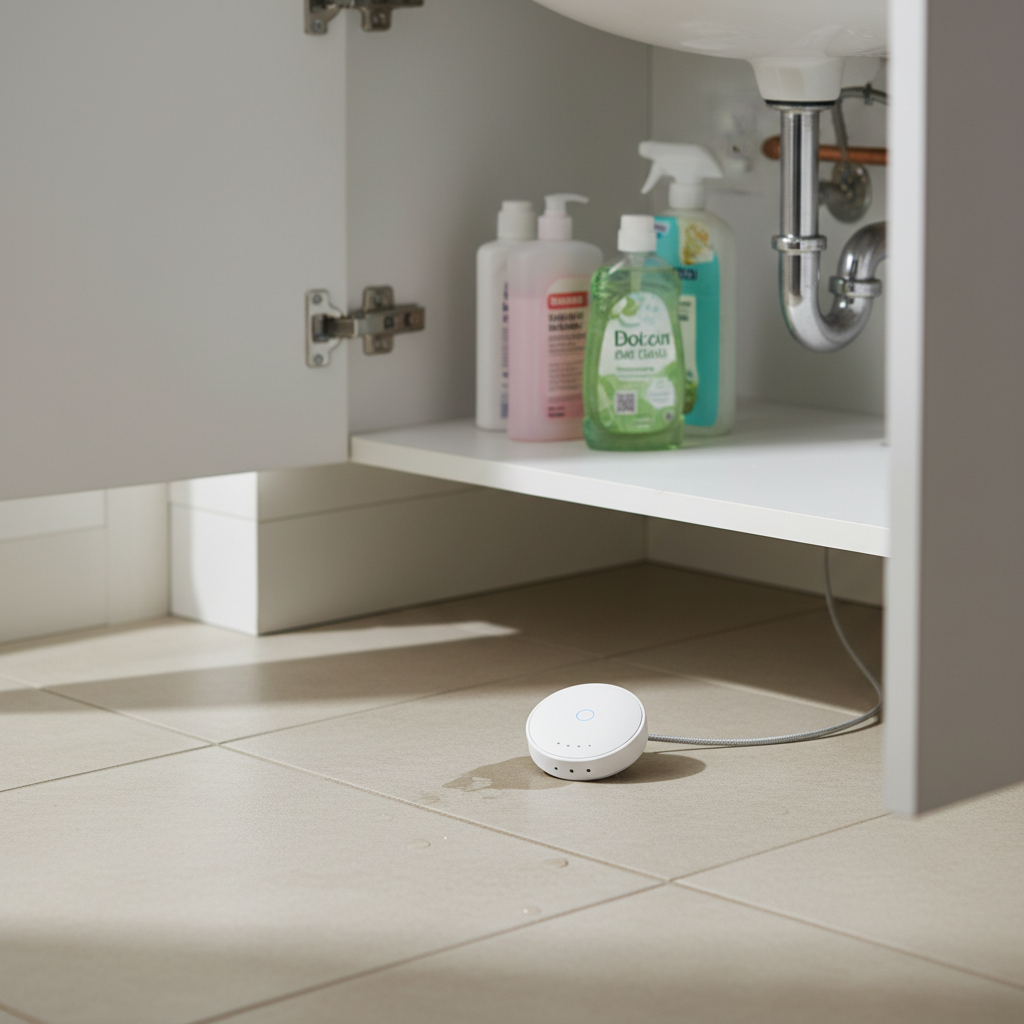
* **Spot Leak Detectors:** These are small sensors placed in areas prone to leaks, such as under sinks, near water heaters, or behind appliances like washing machines and dishwashers. They detect the presence of water or changes in temperature and humidity, alerting you via your smartphone or other connected devices.
* **Whole-Home Monitors:** These systems are installed on your main water line and monitor your home’s water usage in real-time. They can detect unusual water flow patterns, indicating leaks, and some even have an automatic shutoff valve that can turn off your water supply to prevent flooding.
These systems often connect to your home’s Wi-Fi network, allowing you to receive alerts and monitor your home’s water usage from anywhere.
Common Misunderstandings and Misuses
One common misunderstanding is that simply installing a smart water leak detector makes you completely safe. While these systems are invaluable, they are not foolproof. They require proper setup and regular maintenance. People often fail to:
* **Test the system regularly:** Ensure the sensors are working and that you are receiving notifications.
* **Replace batteries:** Most sensors use batteries, and these need to be replaced periodically.
* **Understand the limitations:** Some systems may not detect slow leaks or leaks in hard-to-reach areas.
* **Ignoring alerts:** Receiving an alert is not enough. You need to take action quickly to mitigate potential damage.
Another misuse is relying solely on technology. Smart systems are a tool, not a replacement for regular home maintenance. You still need to inspect your plumbing, appliances, and water-using fixtures regularly. Remember that The Always-On Habit of relying on tech can be a trap if it prevents proactive checks.
Common Long-Term Problems
Over time, smart water leak detection systems can experience issues. Some common long-term problems include:
* **Sensor failure:** Sensors can become damaged or fail due to age, environmental conditions, or power surges.
* **Connectivity issues:** Wi-Fi interference or outages can disrupt the system’s ability to send alerts.
* **Software updates:** Outdated software or firmware can lead to compatibility issues or system malfunctions.
* **False alarms:** Some systems may trigger false alarms due to condensation, humidity changes, or other environmental factors.
Smart Usage and Maintenance Habits
To maximize the benefits of a smart water leak detection system, adopt the following habits:
* **Regular testing:** Test your system monthly to ensure it’s functioning correctly.
* **Battery maintenance:** Replace batteries according to the manufacturer’s recommendations.
* **System updates:** Keep your system’s software and firmware updated.
* **Visual inspections:** Regularly inspect your plumbing and appliances for any signs of leaks or damage.
* **Professional check-ups:** Have a plumber inspect your system and plumbing annually.
* **Create a response plan:** Have a plan in place to address water leaks immediately.
Relevance in 2026: What Actually Matters
In 2026, the smart home landscape is even more interconnected. Here’s what matters most regarding smart water leak detection:
* **Integration:** Look for systems that integrate with your other smart home devices, such as smart thermostats, home security systems, and voice assistants.
* **Reliability:** Choose a system with a proven track record of accuracy and reliability.
* **Ease of use:** Select a system that is easy to install, set up, and manage.
* **Water Usage Analysis:** More advanced systems can analyze your water usage, help identify areas of waste, and provide insights into your water consumption habits.
* **Insurance Discounts:** Some insurance companies offer discounts for homes with smart water leak detection systems.
Future-Proof Advice
As technology evolves, the following advice will remain relevant:
* **Invest in quality:** Don’t skimp on a cheap system. Invest in a reliable one from a reputable brand.
* **Consider a professional installation:** For whole-home systems, professional installation is crucial to ensure proper functionality.
* **Prioritize connectivity:** Ensure the system has a strong and stable connection to your home’s Wi-Fi network.
* **Focus on the ecosystem:** Choose a system that integrates well with your existing smart home ecosystem, ensuring seamless control and automation. This is a crucial element of Josephs Well’s philosophy of connected home living.
* **Stay informed:** Keep up-to-date with the latest advancements in smart water leak detection technology.
Frequently Asked Questions (FAQs)
**1. How much does a smart water leak detection system cost?**
The cost varies depending on the system. Basic spot leak detectors can cost under $80, while whole-home systems with automatic shutoff valves range from $400 to $700, not including installation.
**2. Are smart water leak detectors difficult to install?**
Spot leak detectors are typically easy to install, often requiring no professional help. Whole-home systems, however, usually require professional installation.
**3. Do I need a professional to install a smart water shutoff valve?**
Yes, smart water shutoff valves typically require professional installation.
**4. How long do the batteries in smart water leak detectors last?**
Battery life varies. Some sensors have batteries that last for several years. Refer to the product specifications for details.
**5. Can smart water leak detectors save me money on my homeowners insurance?**
Some insurance companies offer discounts for homes with smart water leak detection systems.
**6. What are the best smart water leak detectors in 2026?**
Several top-rated systems are available, including the Flo by Moen, Govee Wi-Fi Water Leak Detector, and Eve Water Guard. The best choice depends on your specific needs and preferences.
**7. How do I know if my smart water leak detector is working?**
Test your system monthly. Most systems have a test function in their app. Also, regularly check the sensors and ensure you receive alerts.
**8. Can smart water leak detectors detect leaks behind walls?**
Some advanced systems can use pressure wave analysis to detect hidden leaks within walls.