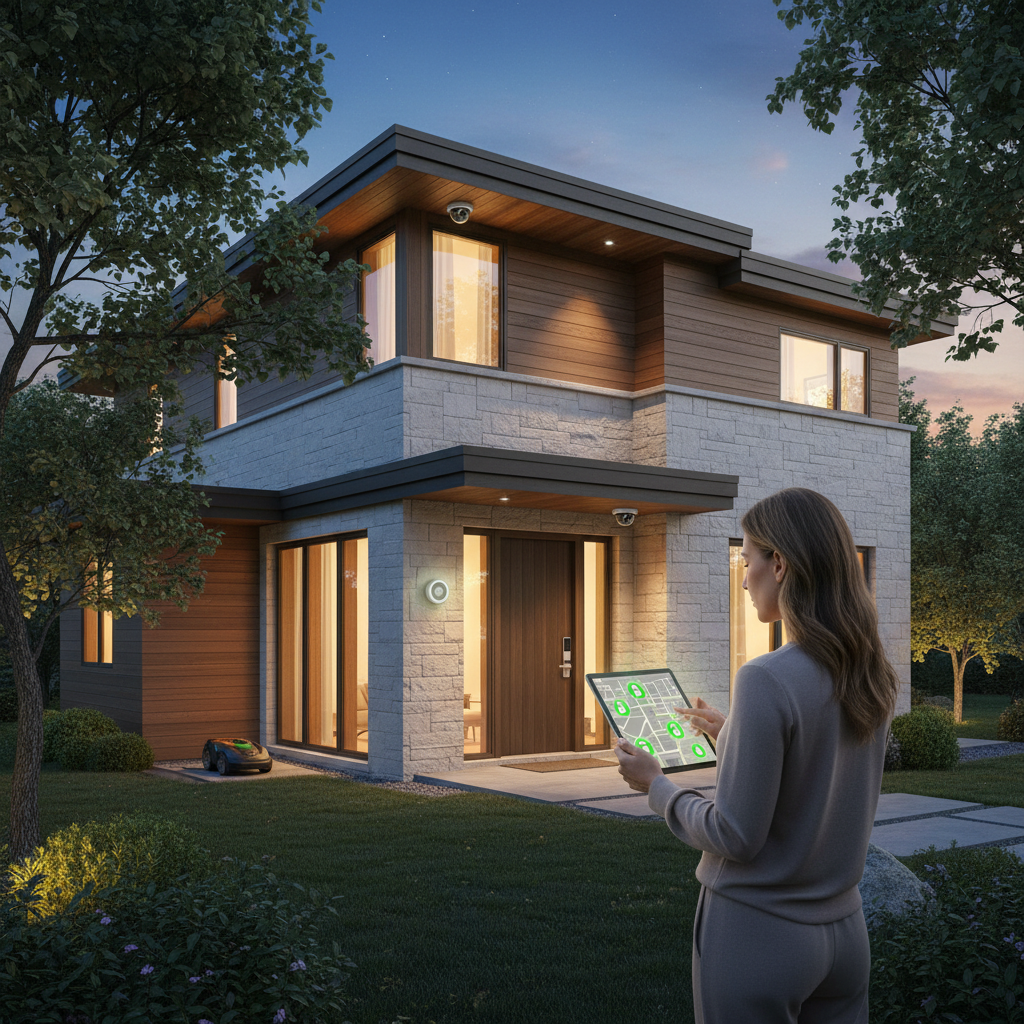
It’s a Tuesday morning in February, 2026. Maria, a busy professional, is rushing out the door. Before she leaves, a quick glance at her phone confirms the front door is locked, the alarm is set, and the security cameras are armed. This is the new normal. For millions of people, a smart home isn’t just a collection of gadgets; it’s a secure, convenient, and increasingly intelligent living space. But as our homes become smarter, they also become more vulnerable. Understanding how to navigate the evolving landscape of smart home security is critical for a safe and protected future.
Why Smart Home Security? The Evolution of Protection
The reasons for embracing smart home security are many, ranging from simple convenience to essential safety.
* **Convenience:** Remotely control and monitor your home from anywhere.
* **Protection:** Deter potential intruders and receive immediate alerts in case of a break-in.
* **Peace of mind:** Knowing your home is safe, even when you’re away.
The evolution of home security has been remarkable. Traditional systems relied on basic alarms and locks. Now, the best systems offer 24/7 professional monitoring, AI-powered cameras, and seamless integration with other smart devices.
Misunderstandings and Misuse: Common Pitfalls
Many homeowners misunderstand or misuse smart home security, leading to vulnerabilities:
* **Reliance on default settings:** Leaving default passwords and settings opens doors for hackers.
* **Ignoring software updates:** Outdated firmware creates security gaps.
* **Over-sharing:** Revealing too much information on social media can make your home a target.
* **Lack of awareness:** Not understanding the potential risks associated with smart home devices.
**Real-world example:** A family in the suburbs excitedly installed a new smart security system, but they didn’t change the default password on their router. A neighbor, with some tech know-how, was able to access their system and view their camera feeds. This is a common, avoidable mistake.
Common Long-Term Problems: What to Watch Out For
Several long-term problems can plague smart home security:
* **Cybersecurity Threats:** Hackers can exploit vulnerabilities in connected devices.
* **Data Privacy Concerns:** Smart devices collect vast amounts of data, raising privacy questions.
* **System Reliability Issues:** Internet outages, software glitches, and hardware failures can compromise security.
* **False Alarms:** Faulty sensors and poor object detection lead to wasted time and resources.
**Example:** A homeowner’s smart lock is hacked, and their home is broken into. The cost of replacing the lock, repairing damage, and replacing stolen items is substantial. The homeowner also feels violated.
Smart Habits for 2026 and Beyond: Proactive Protection
Adopting smart habits is crucial for maintaining a secure smart home.
* **Strengthen Passwords:** Use strong, unique passwords for every device and account. Consider a password manager.
* **Update Firmware Regularly:** Enable automatic updates or check for updates manually.
* **Secure Your Wi-Fi Network:** Use WPA3 encryption, change your router’s default password, and consider a guest network for IoT devices.
* **Enable Multi-Factor Authentication (MFA):** Add an extra layer of security to your accounts.
* **Review Privacy Settings:** Understand what data your devices collect and how it’s used.
* **Monitor Your Network:** Check for unusual activity and be aware of potential threats.
* **Educate Yourself:** Stay informed about the latest security threats and best practices.
* **Choose Reputable Brands:** Invest in trusted brands with a good reputation for security.
* **Consider Professional Monitoring:** For peace of mind, professional monitoring offers 24/7 support and rapid response.
2026 Relevance: Key Trends to Watch
Several trends will shape smart home security in 2026:
* **AI-Driven Security:** AI will play an increasing role in reducing false alarms, improving object detection, and providing proactive security.
* **Enhanced Interoperability:** Devices from different brands will work together seamlessly thanks to the Matter protocol.
* **Privacy-Focused Features:** More local processing and storage options will give homeowners greater control over their data.
* **Smarter Monitoring:** Monitoring services will integrate with video verification for more accurate and effective responses.
* **Health and Wellness Integration:** Smart homes will monitor indoor air quality and integrate wellness features.
Future-Proof Advice: What Truly Matters
To future-proof your smart home security, focus on these key principles:
* **Prioritize security:** Always put security first, even over convenience.
* **Invest in quality:** Choose reliable, well-reviewed products from reputable brands.
* **Stay informed:** Keep up-to-date with the latest threats and best practices.
* **Adapt and evolve:** Your security needs will change over time, so be prepared to adapt your system.
* **Focus on the fundamentals:** Strong passwords, regular updates, and a secure network will always be essential.
**Looking ahead:** As smart home technology becomes more integrated, the potential for both convenience and vulnerability will increase. Proactive security measures, informed decision-making, and a commitment to ongoing learning are the best ways to ensure a safe and secure smart home experience. Consider reading my related article, “The Silent Siren Song of Notifications,” for additional insights on staying safe and informed in your smart home.
Frequently Asked Questions (FAQ)
Here are some frequently asked questions about smart home security:
What are the best smart home security systems in 2026?
Several systems consistently receive high ratings. ADT is known for professional monitoring, SimpliSafe is budget-friendly, and Vivint offers comprehensive smart home integration. Other top contenders include Ring, Abode, and Cove. The “best” system depends on your individual needs and budget.
How can I prevent my smart home devices from being hacked?
Use strong, unique passwords, update firmware regularly, secure your Wi-Fi network, enable multi-factor authentication, and monitor your network for suspicious activity. Also, consider the security settings of each device.
Is professional monitoring worth the cost?
Professional monitoring provides 24/7 support, cellular backup, and video verification, which can lead to faster and more effective responses in emergencies. The value depends on your priorities and risk tolerance. For some, it offers invaluable peace of mind.
What is the Matter protocol, and why is it important?
Matter is a universal standard that allows devices from different manufacturers to work together seamlessly. It eliminates the frustration of fragmented ecosystems, making it easier to build and manage a smart home.
How can I protect my privacy with smart home devices?
Review the privacy policies of your devices, understand what data they collect, and control who has access to your data. Choose devices with local processing and storage options to minimize data sharing.
What are the biggest security risks with smart home devices?
Vulnerabilities to hacking, unauthorized access, data breaches, and firmware vulnerabilities are among the most significant risks.
Should I use public Wi-Fi with my smart home devices?
It’s generally not recommended to access your smart home devices or security system while connected to public Wi-Fi. Use your own personal hotspot or a VPN (Virtual Private Network) for added security.
What are some emerging trends in smart home security?
AI-driven threat detection, blockchain technology, and zero-trust architectures are emerging trends. These technologies aim to enhance the security and privacy of smart homes in the coming years.