It’s a familiar scene: you’re rushing out the door, late for work, and you glance back, wondering if you turned off the lights in the living room. Or maybe you’re settling in for the evening, flipping through channels, and the thought hits you: “How much energy am I *actually* using?” These are everyday moments, and in 2026, the answers are at our fingertips. Smart home energy management isn’t some futuristic fantasy anymore; it’s a practical, accessible way to understand and control your home’s energy consumption.
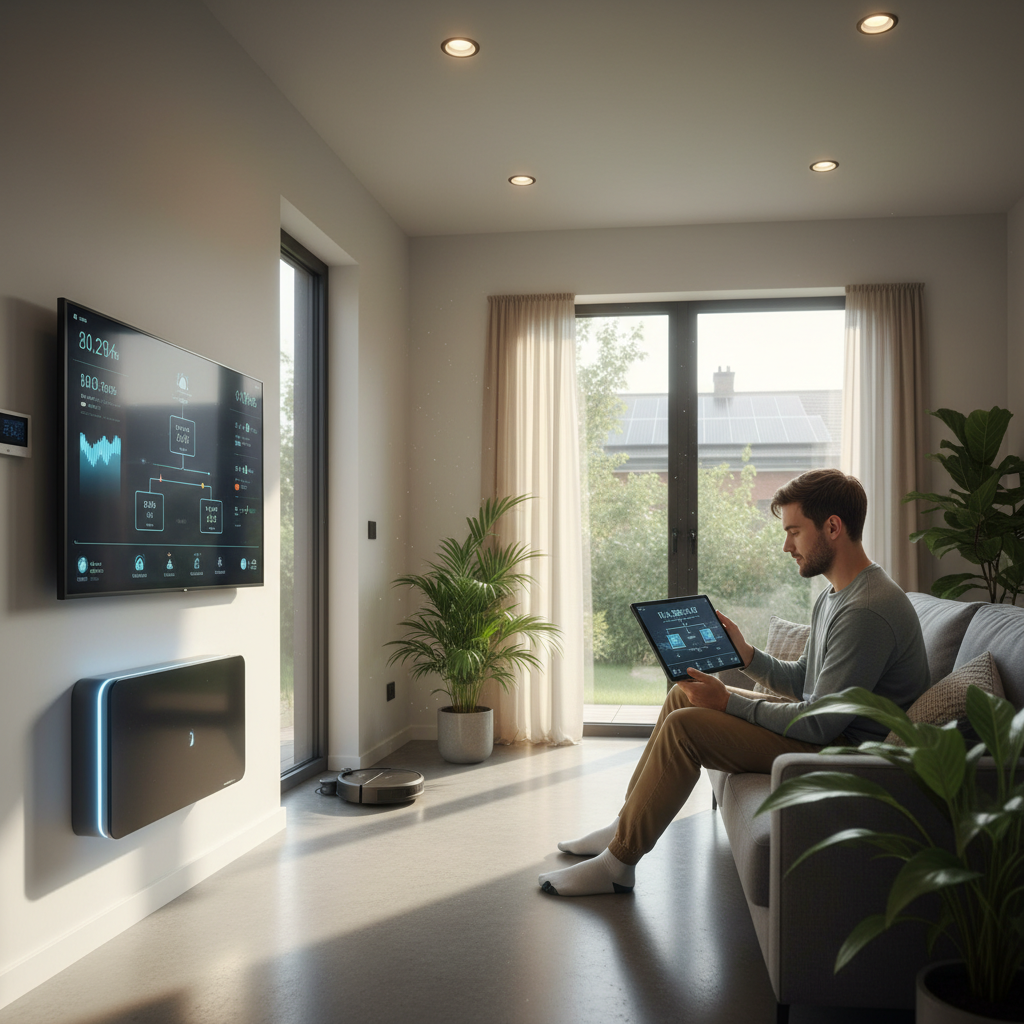
Why Smart Home Energy Management Matters in 2026
We’ve all heard the buzz about smart homes, but in 2026, the focus has shifted. It’s no longer just about the “cool factor” of voice-activated assistants. Now, it’s about *efficiency*. With rising energy costs and a growing awareness of our environmental impact, the ability to manage energy effectively is more important than ever. Smart home technology provides the tools to:
* **Reduce Energy Waste:** Identify and eliminate “phantom loads” from devices that draw power even when turned off.
* **Lower Utility Bills:** Monitor energy usage and make informed decisions about appliance use, potentially saving money each month.
* **Improve Home Comfort:** Optimize heating and cooling schedules to match your lifestyle, ensuring a comfortable home without unnecessary energy consumption.
* **Contribute to a Greener Planet:** Reduce your carbon footprint by making your home more energy efficient.
Smart home energy management goes beyond simply turning off lights. It’s about creating a system that learns your habits and automatically adjusts to maximize efficiency.
Common Misunderstandings and How to Avoid Them
Even with the advancements in smart home technology, some common misconceptions can lead to problems:
* **”Smart” Doesn’t Mean “Set It and Forget It”:** While smart devices offer automation, they still need occasional adjustments. Regularly review your energy usage data and fine-tune schedules based on your lifestyle and changing seasons.
* **Over-Reliance on Technology:** Don’t let convenience override common sense. For instance, even with smart plugs, it’s still essential to unplug devices when not in use.
* **Ignoring the Bigger Picture:** Smart home technology is most effective when integrated. Simply buying a smart thermostat won’t solve everything. Consider a holistic approach, incorporating smart lighting, smart plugs, and energy monitoring for maximum impact.
Long-Term Problems to Watch Out For
Like any technology, smart home energy management systems can present challenges:
* **Security Vulnerabilities:** As devices connect to the internet, they become potential targets for hackers. Always use strong passwords, update firmware regularly, and consider a separate network for your smart home devices. To learn more about how to secure your home, check out The Unseen Risks: How to Make Your Home a Sanctuary of Safety.
* **Data Privacy Concerns:** Smart devices collect data about your energy usage patterns. Understand the privacy policies of the manufacturers and be aware of how your data is being used.
* **Obsolescence:** Technology evolves rapidly. Choose devices and systems that are compatible with industry standards and have a good track record of updates and support.
* **Network Dependence:** Smart home devices rely on a stable internet connection. Ensure your home network is reliable and has sufficient bandwidth to handle all your connected devices.
Smart Usage & Maintenance Habits for 2026
Here’s how to get the most out of your smart home energy management system in 2026:
* **Start with a Plan:** Before purchasing any devices, assess your needs and identify your energy-guzzling appliances.
* **Invest in Energy Monitoring:** Use smart plugs with energy monitoring capabilities or a whole-home energy monitor to track your energy consumption in real time.
* **Automate, but Don’t Over-Automate:** Set up schedules and automations that fit your lifestyle.
* **Regularly Review and Adjust:** Check your energy usage data regularly and make adjustments to your schedules and settings as needed.
* **Prioritize Energy-Efficient Appliances:** When replacing appliances, choose ENERGY STAR-certified models.
* **Optimize Your Settings:** Take the time to learn how to adjust the settings for all your devices.
* **Integrate Smart Devices:** Connect devices like smart thermostats and occupancy sensors.
* **Update Firmware Regularly:** Keep your devices secure and functioning optimally by updating their firmware.
Future-Proof Advice: What Actually Matters
The smart home landscape is constantly evolving, but some principles remain constant:
* **Focus on Integration:** Choose devices that work well together and integrate with your existing smart home ecosystem.
* **Prioritize Interoperability:** Look for devices that support open standards and protocols, ensuring they’ll remain compatible with future technologies.
* **Embrace Data-Driven Decisions:** Use the data from your energy monitoring system to make informed decisions about your energy usage.
* **Think Long-Term:** Invest in high-quality, reliable devices from reputable manufacturers.
* **Don’t Be Afraid to Adapt:** Be prepared to adjust your system as your needs and technology evolve.
FAQs: Your Smart Home Energy Management Questions Answered
Here are some common questions about smart home energy management in 2026:
How much can I realistically save on my energy bill with smart home technology?
Savings vary depending on your home, usage habits, and the technologies you implement. However, many homeowners report saving 10-30% on their energy bills by using smart thermostats, smart plugs, and other energy-efficient devices.
Are smart plugs safe to use?
Yes, smart plugs are generally safe. However, always ensure they are rated for the appliances you plug into them. Avoid overloading outlets and ensure that the smart plugs you select have surge protection features for added safety.
Do smart home devices require a fast internet connection?
While a fast internet connection isn’t always *required*, a stable and reliable connection is essential for optimal performance. Consider your number of connected devices and the bandwidth they require.
What are the best smart home energy monitoring tools?
Several energy monitoring tools are available, ranging from smart plugs that monitor individual appliances to whole-home energy monitors that provide a comprehensive view of your energy consumption. Some popular options include Vivint smart plugs, Emporia Vue Gen 2, and the Emerald Electricity Usage Monitor.
How easy is it to install smart home devices?
Installation varies depending on the device. Many smart plugs and smart bulbs are simple to install and set up. However, more complex systems, such as whole-home energy monitors, may require professional installation.
Can smart home technology really improve home security?
Yes, many smart home devices can enhance home security. For instance, smart locks, security cameras, and motion sensors can provide remote access and monitoring, alerting you to potential security threats. Many modern smart home energy management platforms often integrate with security systems.
How do I know if a smart device is energy efficient?
Look for ENERGY STAR certifications on appliances and other devices. These certifications indicate that the product meets strict energy efficiency guidelines set by the U.S. Environmental Protection Agency.
Where can I learn more about smart home technology?
You can start by exploring resources like Josephs Well to learn more about home technology. There are also many online resources, blogs, and manufacturer websites that offer information, reviews, and tutorials.