The refrigerator. It’s the unsung hero of the kitchen, quietly working 24/7 to keep our food fresh and our lives running smoothly. But how much thought do we *really* give to this workhorse? In 2026, the world of refrigerators is more diverse and complex than ever, with a mix of smart features, energy-saving technologies, and a wide range of price points. Having seen the evolution of home appliances firsthand, from the simple, reliable models of the past to the tech-laden marvels of today, I’m here to offer a practical, experience-based guide to navigating the refrigerator landscape. This isn’t about pushing the latest bells and whistles; it’s about helping you make smart choices that will keep your food fresh, your energy bills down, and your kitchen humming for years to come.
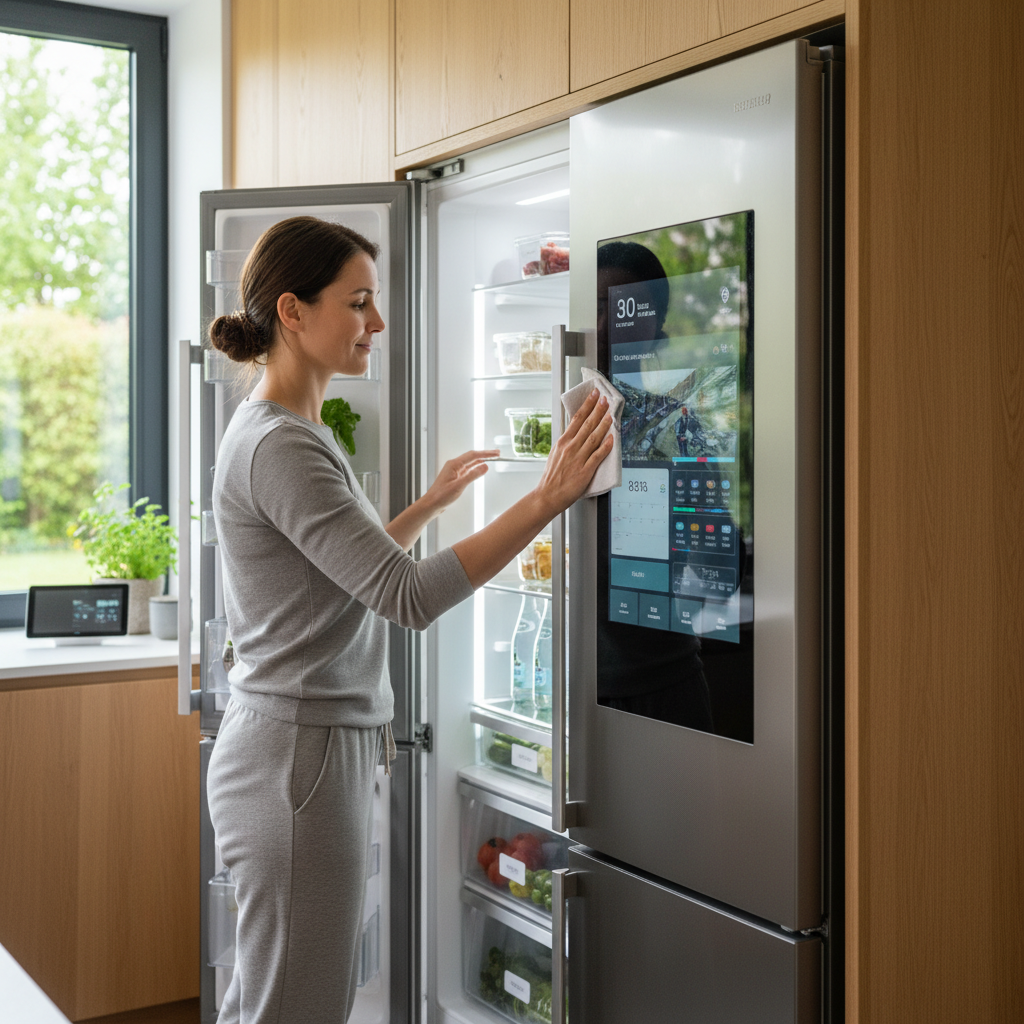
Why Refrigerators Matter (More Than You Think)
Let’s start with a simple reality: your refrigerator is essential. It’s not just about cold drinks and ice cream. It’s about food safety, reducing waste, and saving money. A reliable fridge prevents spoilage, which means less food in the trash and fewer trips to the grocery store. In a world where sustainability is increasingly important, understanding how your appliances impact the environment is crucial.
I remember when the biggest decision was whether to get a top-freezer or a bottom-freezer model. Now, we’re talking about smart features, energy ratings, and a bewildering array of designs. This can be overwhelming, so let’s break it down.
Misconceptions and Mistakes: What People Get Wrong
Over the years, I’ve seen countless homeowners make the same mistakes with their refrigerators. Avoiding these pitfalls can significantly extend the life of your appliance and prevent costly repairs.
* **Overloading:** Cramming too much food into the fridge restricts airflow. This forces the compressor to work harder, leading to higher energy bills and potentially shortening the lifespan of the appliance.
* **Ignoring Maintenance:** Like any appliance, refrigerators need regular attention. Failing to clean the condenser coils, replace the water filter, or check the door seals can lead to inefficiencies and breakdowns.
* **Setting the Wrong Temperature:** Many people set their refrigerators too warm or too cold. The ideal temperature range is generally between 37°F and 40°F (3°C and 4°C) for the fresh food compartment and 0°F (-18°C) for the freezer. Incorrect settings can lead to food spoilage or freezer burn.
* **Assuming Smart Always Means Better:** While smart refrigerators have their advantages, they’re not always a necessity. Some people are drawn in by the promise of features like built-in cameras and touchscreens, only to find them gimmicky. Focus on the core function of the appliance: keeping food cold.
Common Problems and How to Avoid Them
Even the best refrigerators can run into problems. Knowing how to troubleshoot common issues can save you time, money, and a lot of frustration.
* **Not Cooling Properly:** This is a classic issue. Start by checking the power supply, the thermostat settings, and the door seals. Clean the condenser coils (usually found at the back or bottom of the fridge). If the problem persists, it may be a more serious issue that requires a professional.
* **Ice Maker Problems:** Ice makers can be finicky. Common issues include a clogged water filter, a frozen water line, or a malfunctioning water inlet valve. Regular filter changes (every six months is a good rule of thumb), checking for kinks in the water line, and ensuring the freezer temperature is set correctly can help prevent these problems.
* **Leaks:** Leaks can be caused by a variety of issues, from a clogged defrost drain to a faulty water line. Identify the source of the leak and address it promptly to prevent water damage.
* **Unusual Noises:** Rattling, buzzing, or clicking sounds can indicate a problem. Consult your owner’s manual to identify the source of the noise.
Smart Usage and Maintenance Habits: Your Fridge’s Best Friend
Good habits are key to keeping your refrigerator running smoothly and efficiently.
* **Regular Cleaning:** Wipe down spills immediately and clean shelves and drawers regularly. A clean fridge is a happy fridge.
* **Check the Seals:** Inspect the door seals for cracks or damage. Replace them if necessary.
* **Proper Food Storage:** Use airtight containers to store food and prevent odors. Don’t block the air vents with food.
* **Defrost Regularly:** While most modern refrigerators are frost-free, some models may still require occasional defrosting.
* **Monitor Energy Usage:** Keep an eye on your energy bills. A sudden increase could indicate a problem with your fridge.
Relevance in 2026: Trends and Technologies
The refrigerator market is constantly evolving. Here’s what’s trending in 2026:
* **Energy Efficiency:** This is a major focus. Look for ENERGY STAR certified models, which use significantly less energy than older models.
* **Smart Features:** Smart refrigerators are becoming more sophisticated, with features like built-in cameras, touchscreens, and voice control. However, consider whether these features are truly useful for your needs.
* **Sustainability:** Manufacturers are using more eco-friendly refrigerants and materials.
* **Variety of Styles:** You’ll find a wide range of styles, from classic top-freezer models to French-door refrigerators with advanced features.
* **Market Price Drops:** Refrigerator prices are crashing.
The Smart Fridge Evolution
Smart refrigerators have come a long way. Some of the latest models feature:
* **Internal Cameras:** View the contents of your fridge from your smartphone.
* **Touchscreens:** Manage settings, create shopping lists, and more.
* **Voice Control:** Control the fridge with voice commands.
* **Scan-to-List Technology:** This feature is built into the exterior dispenser, and recognizes items and adds them to a shareable shopping list.
Future-Proof Advice: What Truly Matters
When choosing a refrigerator in 2026, focus on what will matter in the long run.
* **Energy Efficiency:** This will save you money and reduce your environmental impact.
* **Reliability:** Choose a brand with a good reputation for quality and longevity. The average lifespan of a refrigerator is 10-15 years, but some can last much longer with proper care.
* **Size and Layout:** Choose a size that meets your needs. Consider your kitchen layout. Top-freezer models and bottom-freezer models are often the most affordable and reliable.
* **Simplicity:** Don’t get caught up in features you won’t use. Focus on the core functions.
Frequently Asked Questions (FAQ)
Here are some common questions about refrigerators, with practical answers:
* **How long should a refrigerator last?**
The average lifespan is 10-15 years. However, with proper maintenance, some models can last 20 years or more.
* **How can I make my refrigerator more energy-efficient?**
Choose an ENERGY STAR certified model, ensure the door seals are airtight, and avoid overfilling the fridge.
* **What should I do if my refrigerator isn’t cooling?**
Check the power supply, thermostat settings, and door seals. Clean the condenser coils. If the problem persists, call a professional.
* **Are smart refrigerators worth the extra cost?**
That depends on your needs. Consider whether the features are genuinely useful for you.
* **What are the most common refrigerator problems?**
Not cooling properly, ice maker issues, leaks, and unusual noises.
* **How often should I clean my refrigerator?**
Wipe up spills immediately and clean shelves and drawers regularly. A good rule of thumb is to do a more thorough cleaning every few months.
* **How do I choose the right size refrigerator?**
Consider the size of your household and your food storage needs.
* **What are some of the most energy-efficient refrigerator styles?**
Top-freezer models and bottom-freezer models tend to be the most efficient.
The refrigerator is an essential part of the modern home. By understanding its inner workings, common problems, and the latest trends, you can make informed decisions that will keep your food fresh, your energy bills manageable, and your kitchen running smoothly for years to come. For more insights on smart home technology, visit [Josephs Well](https://josephswel.info).