In my kitchen, which I consider my home lab, the microwave has always been the unsung hero. From reheating last night’s lasagna to whipping up a quick mug cake, it’s a workhorse. But even the most reliable appliances have their quirks, and after two decades of home tech adventures, I’ve learned a thing or two about keeping these marvels humming along. This is especially true as we move further into 2026, where even this seemingly simple device has gotten a major upgrade.
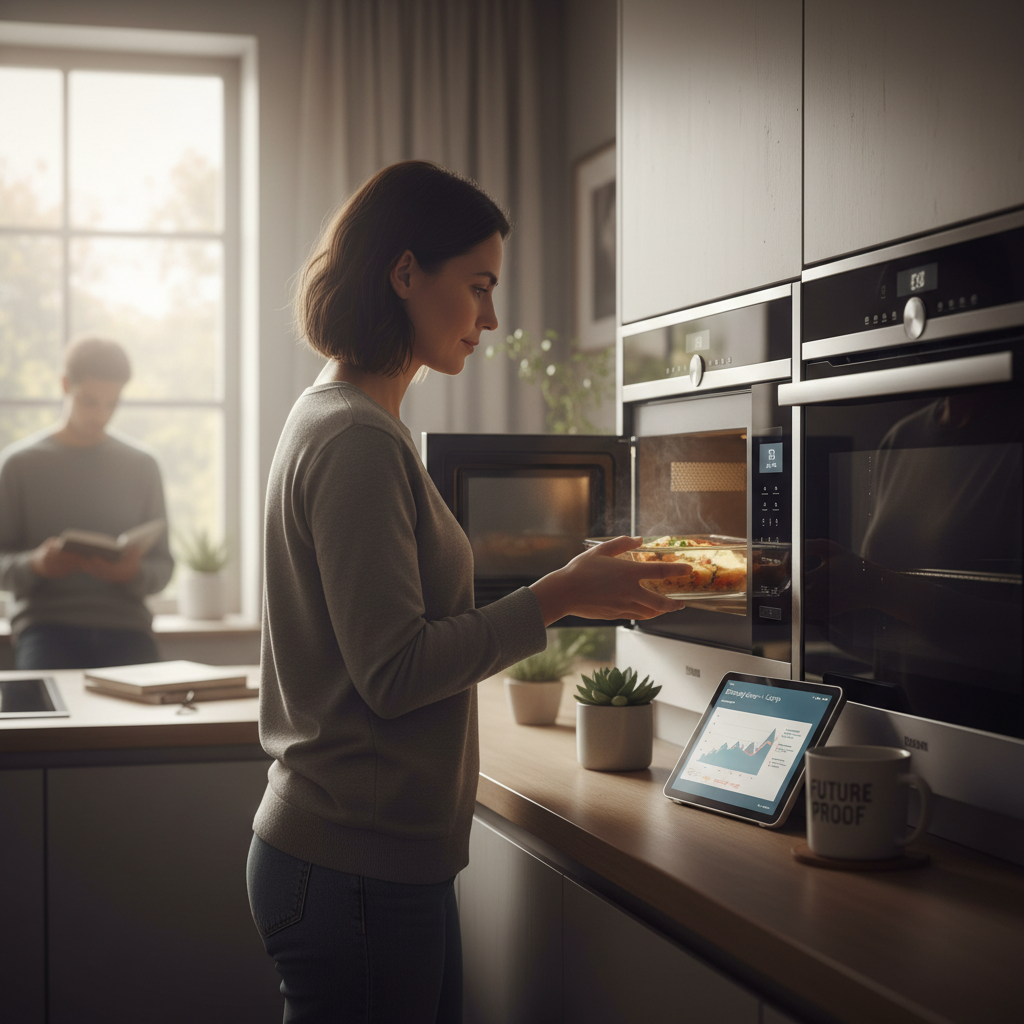
Why the Microwave Still Matters (and How It’s Changing)
The core function of a microwave is simple: cook or reheat food quickly. But the “why” behind its enduring popularity is multifaceted. It’s about convenience, speed, and the ability to cook even for someone who doesn’t cook much. As people’s lives get busier, the microwave continues to be a go-to for many. But what’s changing? Well, the microwaves of 2026 are not your grandmother’s appliance. Manufacturers are packing in features, and the rise of “smart” technology is transforming how we interact with our kitchens. You’ll find models with built-in air fryers, convection ovens, and even those that can scan the barcode of your packaged food and set the cooking time automatically.
Common Microwave Misunderstandings and Misuses
Even with all the advancements, some fundamental mistakes persist. Here’s a breakdown of the most common ones:
- Metal Madness: This is the cardinal sin. Putting metal in a microwave leads to sparks, potential fires, and a ruined appliance. This includes foil, metal containers, and even dishes with metallic trim.
- Container Confusion: Not all plastics are microwave-safe. Using the wrong containers can lead to melting, leaching of chemicals into your food, and a big mess.
- Running on Empty: Microwaves should never be operated without food or liquid inside. This can damage the magnetron, the heart of the microwave, and shorten its lifespan.
- Ignoring the Splatter: Food splatters are inevitable. But leaving them unchecked creates hot spots, which can lead to burnt food, odors, and potential damage to the interior of the microwave.
- Overcooking & Underestimating: People often overestimate the power of their microwave. Overcooking can dry out food, while undercooking can be unsafe. Learning the right cooking times for different foods is essential.
The Downside: Common Long-Term Microwave Problems
Even with careful use, microwaves aren’t immune to problems. Here are some issues you might face and tips on how to handle them:
- It Doesn’t Heat: This is a classic. The most common culprit is a faulty magnetron, but it could also be a blown fuse or a problem with the high-voltage diode. The magnetron is usually a job for a professional.
- The Turntable Isn’t Turning: Uneven heating is the result. This can be due to a broken drive motor, a misaligned roller ring, or a worn-out turntable coupler. Cleaning and replacing parts are usually the fix.
- The Buttons Don’t Work: A faulty membrane switch or control board is likely to blame. Sometimes, cleaning the keypad can solve the problem. If it persists, a repair is needed.
- Sparks and Arcs: Always a cause for concern. Usually, this means metal is in the microwave. It can also be caused by a damaged waveguide cover. Unplug and investigate immediately.
- Door Issues: A door that won’t close properly or won’t open at all. Check the hinges, latches, and springs. A broken door can be a safety issue and can be replaced.
Smart Usage & Maintenance Habits for Your Microwave
Extending the life of your microwave is about forming good habits. Here’s what has worked in my experience:
- Clean Regularly: Wipe up spills immediately. Clean the interior regularly with a damp cloth or a mixture of water and lemon juice. This helps prevent odors and build-up.
- Use the Right Containers: Always use microwave-safe containers. Look for the microwave-safe symbol on your dishes.
- Avoid Overloading: Don’t overcrowd the microwave. This can lead to uneven heating and potential damage.
- Gentle Handling: Avoid slamming the door.
- Read the Manual: Seriously, it’s worth it!
- Unplug for Deep Cleaning: Unplug the microwave before cleaning the interior.
2026 Relevance: What to Look for in a New Microwave
As you shop for a new microwave in 2026, here’s what to keep in mind:
- Features: Do you want an air fryer, convection, or smart features? Consider what you’ll actually use.
- Size: Measure your space and choose a size that fits your needs.
- Wattage: A microwave between 800 and 1000 watts usually strikes a good balance.
- Energy Efficiency: Look for models with eco-modes, inverter technology, and sensor cooking.
- Reviews: Read reviews to see what other users say about reliability and ease of use.
Future-Proof Advice: What Actually Matters
The future of home appliances is about smart, connected devices. But here’s what truly matters when it comes to your microwave:
- Durability: Look for a well-built microwave from a reputable brand. Microwaves typically last 7-10 years, so quality matters.
- Ease of Use: The most advanced features are useless if you can’t figure them out.
- Energy Efficiency: With rising energy costs, efficiency is more important than ever.
Smart home integration is nice, but it shouldn’t be the primary factor. Focus on the core functions, reliability, and ease of use. Those are the things that will stand the test of time.
FAQ: Microwave Mastery Made Easy
Here are some frequently asked questions, answered with a practical, experience-based perspective:
Q: How long should a microwave last?
A: Most microwaves last between 7 and 10 years, depending on usage, care, and quality.
Q: What are the signs my microwave is going bad?
A: Inconsistent heating, strange noises, sparks, a burning smell, or unresponsive controls are all red flags.
Q: Can I put aluminum foil in the microwave?
A: Absolutely not! Metal causes sparks and can damage the microwave.
Q: How do I clean my microwave?
A: Wipe up spills immediately. For general cleaning, use a damp cloth or a mixture of water and lemon juice.
Q: My microwave isn’t heating. What should I do?
A: First, make sure it’s plugged in. If that doesn’t work, it’s time to call a repair technician, as the problem is likely with an internal component.
Q: Are smart microwaves worth it?
A: It depends on your needs. Smart features can be convenient, but focus on the core functionality, reliability, and energy efficiency first.
Q: How can I extend the life of my microwave?
A: Clean it regularly, use microwave-safe containers, avoid overloading, and handle it with care.
In the evolving world of home technology, the microwave remains a fixture in many kitchens. By understanding its function, avoiding common pitfalls, and adopting smart usage habits, you can ensure that your microwave continues to be a reliable and convenient part of your home for years to come. For more insights on the latest smart home technology, visit Josephs Well.