The year is 2026. You stroll into your laundry room, and the scene is familiar, yet subtly different. Your washing machine isn’t just a machine anymore; it’s a connected hub, a gleaming testament to the smart home revolution. You can start a load from your phone, get notifications when the cycle is done, and even let the machine decide the best settings based on your clothes. Sounds amazing, right? Well, it can be. But like any new technology, smart washing machines come with their own set of quirks, misunderstandings, and potential pitfalls. Having spent over two decades navigating the ever-changing landscape of home appliances, I’m here to offer a practical, experience-based guide to making the most of your smart washer in 2026. It’s about knowing the tech, understanding its limitations, and making informed choices that save you time, money, and headaches. The Phone’s Grip: How Small Habits Have Changed Us in a Big Way
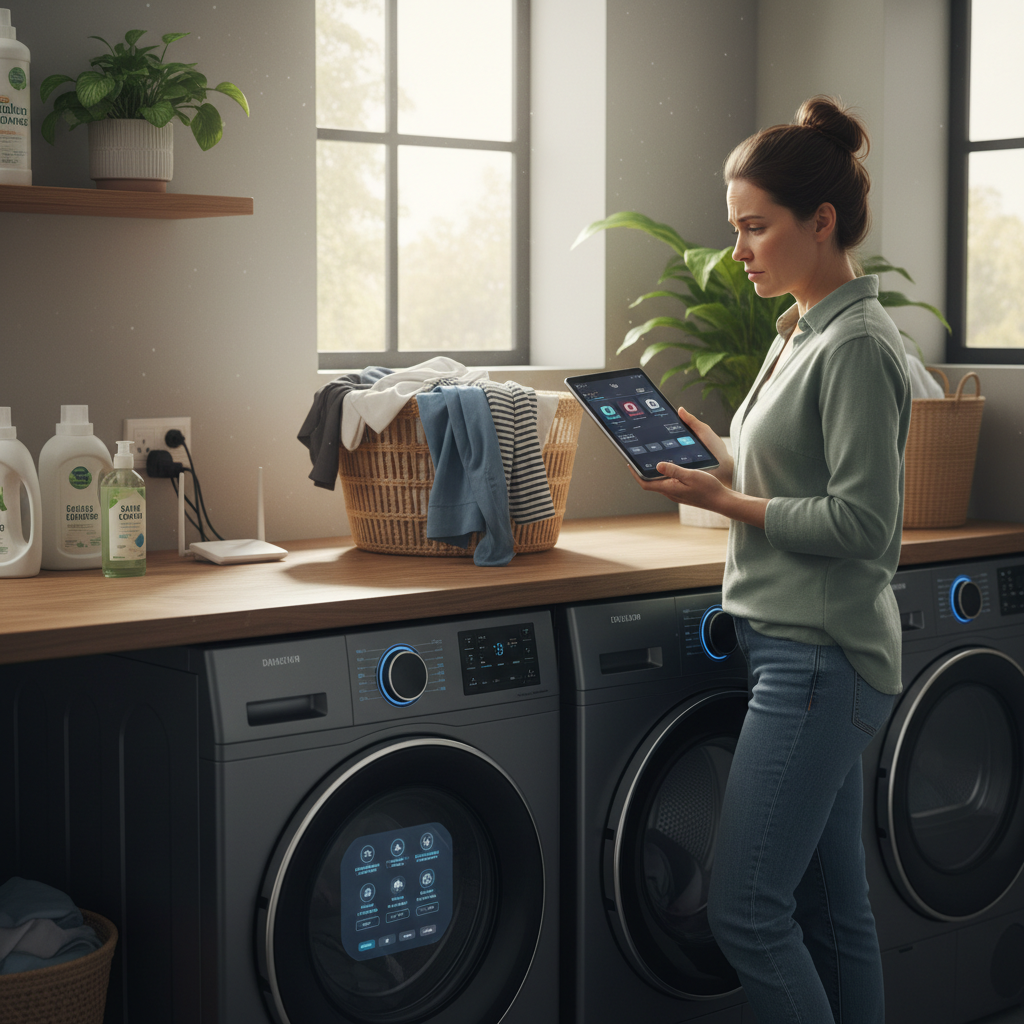
Why the Smart Washing Machine? The Promise of a Smarter Clean
The evolution of washing machines has mirrored our broader technological advancements. From the basic, mechanical models of yesteryear, we’ve arrived at machines that boast Wi-Fi connectivity, AI-powered cycles, and a dizzying array of features. So, why this leap? The answer lies in convenience, efficiency, and a desire for a more personalized laundry experience. Here’s what smart washing machines promise:
- Convenience: Start, stop, and monitor cycles remotely. Get notifications when your laundry is done.
- Efficiency: Optimize water and energy usage based on load size and fabric type. Some models even automatically dispense the correct amount of detergent.
- Personalization: Learn your preferences and suggest cycles.
- Integration: Seamlessly connect with other smart home devices.
The Misconceptions: What People Get Wrong
Despite the allure of smart features, many users approach these machines with misunderstandings. Here are some common ones:
- “More features = better cleaning.” While advanced features can be helpful, they don’t always translate to superior cleaning. The basics – proper detergent, correct load size, and appropriate cycle – remain paramount.
- “Smart means foolproof.” Smart washers are still machines, subject to mechanical issues, software glitches, and connectivity problems.
- “Eco mode is always the best.” Often, “eco” cycles prioritize energy savings over cleaning effectiveness, leading to longer cycle times, potential detergent buildup, and even increased wear and tear on the machine.
Common Problems and How to Avoid Them
Here’s a dose of reality: smart washing machines aren’t immune to problems. But forewarned is forearmed. Let’s look at some common issues and how to mitigate them:
Connectivity Issues
Smart washers rely on a stable Wi-Fi connection. Weak signals, interference from other devices, or outdated firmware can disrupt the connection.
Solution:
- Ensure your washer is within range of your router.
- Reduce interference from other devices.
- Keep the machine’s firmware and app updated.
Software Glitches
Touchscreens, app integrations, and complex programming can lead to unresponsive screens, incorrect error codes, or apps that fail to sync.
Solution:
- Restart the machine and your phone.
- Update the app.
- Clear the app’s cache or reinstall it.
Mechanical Failures
Even with smart features, the core mechanics can fail. This includes drainage issues, unbalanced loads, and motor problems.
Solution:
- Regularly clean the drain filter.
- Ensure the machine is level.
- Avoid overloading the machine.
High Energy Consumption
While some smart washers are designed for energy efficiency, others can consume a lot of energy. This can lead to increased utility bills and a larger environmental footprint.
Solution:
- Choose ENERGY STAR certified models.
- Use appropriate cycle settings for your laundry.
- Consider the size of the machine and if it fits your needs.
Smart Usage & Maintenance Habits: The Keys to Longevity
Here’s how to ensure your smart washing machine serves you well for years to come:
- Read the Manual: Sounds basic, but understanding your machine’s specific features and recommendations is crucial.
- Use the Right Detergent: Follow the manufacturer’s recommendations for detergent type and amount. Excessive detergent can lead to buildup and poor cleaning.
- Clean Regularly: Wipe down the door seal after each load. Clean the detergent dispenser weekly and run a drum clean cycle monthly.
- Check the Hoses: Inspect the water inlet and drain hoses regularly for cracks or leaks. Replace them every three to five years.
- Level the Machine: Ensure the machine is perfectly level to prevent excessive vibration and wear.
- Don’t Overload: Avoid stuffing the machine, which can strain the motor and lead to unbalanced loads.
- Choose the Right Cycle: Don’t automatically default to the “eco” cycle. Select cycles based on the load’s needs.
- Stay Updated: Regularly update your machine’s firmware and the associated app.
2026 Relevance: What Matters Now
In 2026, the focus is shifting. Smart features are becoming more integrated, but also more streamlined. Here’s what to look for:
- AI-powered Detergent Dispensing: Machines that automatically dispense the correct amount of detergent are becoming more common.
- Improved Stain Removal: Look for machines with enhanced stain-removal capabilities, like steam cycles and advanced wash technologies.
- Energy Efficiency: ENERGY STAR certification remains essential, and look for models that use less water.
- User-Friendly Interfaces: Intuitive controls and easy-to-use apps are crucial.
- Long-Term Reliability: Read reviews and focus on brands known for durability. Consider extended warranties.
Future-Proof Advice: What Actually Matters
As we look ahead, here’s the advice that will stand the test of time:
- Focus on the Basics: A reliable washing machine, even without all the bells and whistles, is better than a smart one that constantly breaks down.
- Prioritize Reliability: Read reviews, paying close attention to long-term reliability. Look for brands with a proven track record.
- Consider Repairability: Choose models that are easy to repair or that have readily available parts.
- Embrace Smart, But Don’t Overspend: Smart features can enhance your laundry experience, but don’t pay extra for features you won’t use.
FAQ: Your Laundry Room Questions Answered
Here are some frequently asked questions, answered with practical, experience-based advice:
- How long should a washing machine last?
Most washing machines last between 8 and 12 years. Regular maintenance can help extend that lifespan. If the machine is over 10 years old, frequently breaks down, or leaves your clothes still dirty, it might be time for an upgrade.
- What are the most common problems with smart washing machines?
Connectivity issues, software glitches, and mechanical failures are common. Also, some users report problems with high energy consumption.
- How often should I clean my washing machine?
Wipe down the door seal after each load. Clean the detergent dispenser weekly. Run a drum clean cycle monthly.
- What kind of detergent should I use?
Follow the manufacturer’s recommendations for detergent type and amount. Avoid using too much detergent, which can lead to buildup and poor cleaning.
- Is it worth getting a smart washing machine?
If you value convenience and efficiency, and you’re willing to learn the technology and perform regular maintenance, then yes. But don’t prioritize smart features over reliability.
- How can I make my washing machine last longer?
Use the right detergent, avoid overloading, clean regularly, and address any problems promptly. Also, level the machine and keep up with firmware updates.
- Are front-load or top-load washers better?
Front-load washers tend to be more energy-efficient. However, front-loaders may require more maintenance to prevent mold and mildew growth.
- What are the best smart washing machines of 2026?
According to recent reviews, top choices include the GE Profile UltraFresh Vent System Plus and the LG WM6700 Series with AI DD 2.0. Other top contenders include Samsung and Electrolux models. It’s always a good idea to research models and read reviews before buying.
The smart home is transforming how we live, and smart washing machines are a part of that change. By understanding the technology, recognizing potential problems, and adopting smart maintenance habits, you can enjoy the benefits of a smarter laundry experience for years to come. For more on making the most of your home, explore Josephs Well.