Remember the days when the biggest tech decision in the kitchen was whether to get a ceramic or a gas stovetop? I do. My first apartment, barely big enough to swing a cat in, came with a fridge that hummed like a contented old man and a washing machine that, well, did its best. Fast forward a couple of decades, and my kitchen, much like yours, is a far cry from those simpler times. It’s a symphony of blinking lights, Wi-Fi signals, and voice commands. But beneath all the smarts, the whiz-bang features, and the promise of effortless living, lies the undeniable truth: it all comes down to the humble, yet hardworking, appliance.
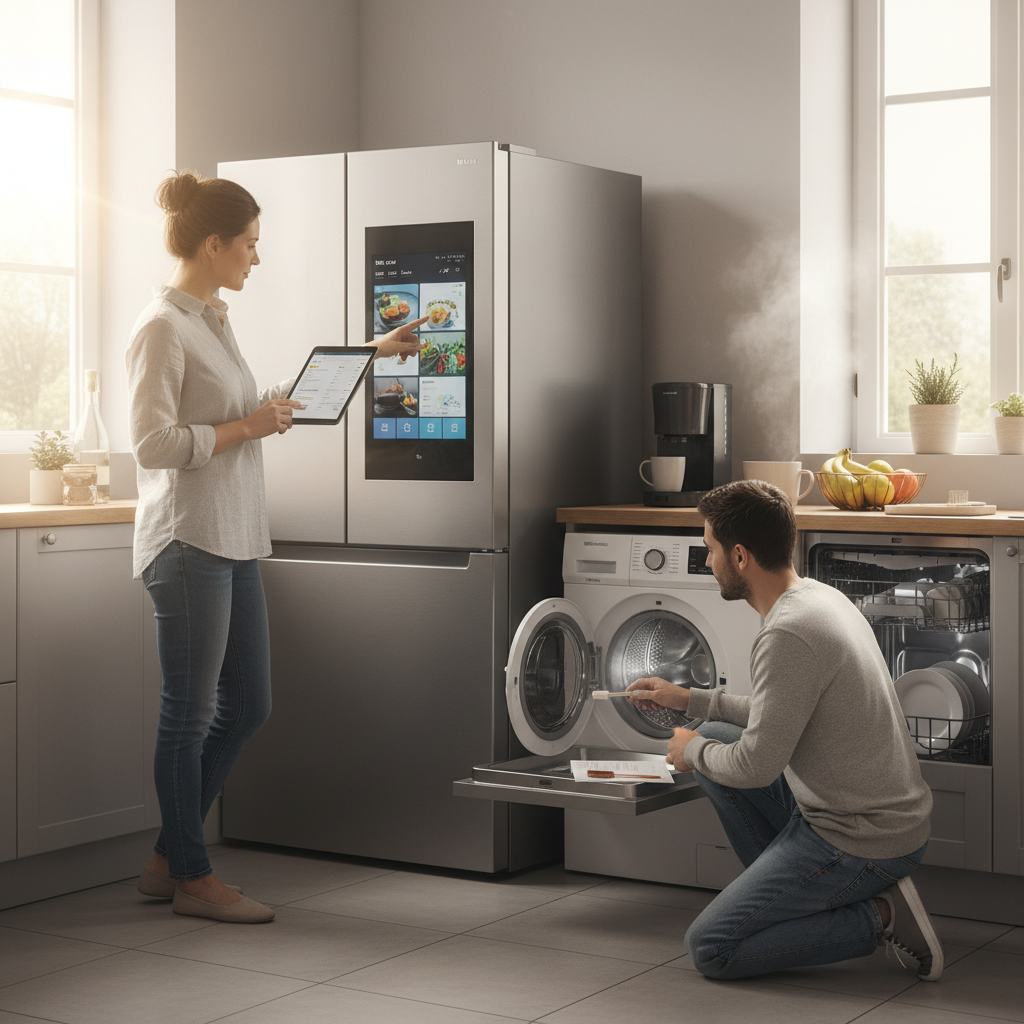
We’ve transitioned from a world where appliances were merely tools to one where they are integrated, often the central nervous system of our connected homes. It’s exciting, no doubt. Waking up to a pre-heated oven, getting a notification that the laundry is done, or even having your fridge suggest recipes based on its contents – these are the conveniences that smart home technology promises. But after years of living and breathing this evolving landscape, I’ve learned that the real magic isn’t in the fancy apps or the futuristic voice controls. It’s in understanding how to keep these sophisticated machines running smoothly, reliably, and for the long haul.
The “Why” Behind the Smart Appliance Revolution
So, why the big shift to smart appliances? It’s a convergence of several factors. Firstly, the insatiable human desire for convenience and efficiency. We’re busier than ever, and the idea of automating mundane chores or managing our homes remotely is incredibly appealing. Secondly, the ongoing advancements in IoT (Internet of Things) and AI have made it possible to embed intelligence into everyday objects. Appliances can now communicate, learn, and adapt. Thirdly, there’s a growing awareness around energy conservation. Smart appliances, with their ability to optimize energy usage, offer a tangible way for households to reduce their environmental footprint and their utility bills. For instance, smart washing machines can adjust water and energy use based on load size, and smart refrigerators can optimize cooling based on usage patterns.
The market is responding with a massive surge in smart home appliance adoption. By 2026, the household appliances market is projected to reach $730.45 billion, with a significant portion driven by the demand for smart, connected devices. Manufacturers are racing to integrate AI into everything from refrigerators that can recognize food items to ovens that monitor cooking in real-time. This isn’t just about novelty; it’s about creating homes that are more responsive, efficient, and, ideally, more effortless to manage.
The Unseen Pitfalls: Where Smart Appliances Can Go Astray
Living with smart appliances for over a decade has taught me that while the benefits are clear, the path to seamless operation isn’t always paved with the latest software updates. Many of us jump into the smart home ecosystem with great enthusiasm, only to find ourselves wrestling with connectivity issues, confusing app interfaces, or unexpected glitches. It’s easy to misunderstand or misuse these devices, leading to frustration and a feeling that the technology is more trouble than it’s worth.
Connectivity is King (and Sometimes a Tyrant)
The most common hurdle by far is connectivity. Your smart fridge might be a marvel of engineering, but if it can’t maintain a stable Wi-Fi connection, its smart features are effectively useless. Many homeowners struggle with appliances dropping off the network, slow response times, or an inability to connect in the first place. This often stems from a weak Wi-Fi signal, network interference, or simply not ensuring the appliance is on the correct network band (many prefer 2.4 GHz). I’ve seen neighbours pull their hair out because the oven app won’t connect to preheat the dinner they’ve been looking forward to all day.
The App-ocalypse: Too Many Apps, Too Little Time
As you accumulate more smart devices, you can find yourself juggling a dozen different apps. While many appliances come with their own dedicated apps for control and monitoring, keeping track of them all can be a chore. Sometimes, these apps simply fail to sync properly with the appliance, leading to a frustrating disconnect between what you’re seeing on your phone and what the appliance is actually doing. Ensuring both the app and the appliance’s firmware are up-to-date is crucial, as is the simple, yet often overlooked, step of logging out and back in, or even reinstalling the app.
Software Hiccups and Frozen Interfaces
Just like our smartphones, smart appliances can occasionally freeze or exhibit erratic behavior due to software glitches. This might manifest as an unresponsive touchscreen on your refrigerator or a washing machine cycle that won’t complete. Often, a simple power cycle – unplugging the appliance for a few minutes – can resolve these issues. However, persistent problems might require checking for system updates or, as a last resort, a factory reset, which can erase custom settings.
Performance Puzzles: When “Smart” Doesn’t Mean “Better”
Sometimes, the smart features don’t translate into improved performance. A smart dishwasher might not be cleaning as effectively as a simpler model, or a smart oven might have trouble maintaining consistent temperatures. This can be due to a variety of factors, including sensor malfunctions, improper loading (yes, even smart dishwashers need to be loaded correctly!), or incorrect cycle selection. In these cases, recalibrating the smart sensors through the settings menu or a simple reset can often do the trick.
Smart Habits for Smarter Appliances: Maintenance and Longevity
The allure of smart technology can sometimes distract us from the fundamental principles of appliance care. The truth is, even the most advanced appliance requires thoughtful maintenance to ensure its longevity and optimal performance. Think of it as tending to a high-performance vehicle; you wouldn’t just drive it without ever changing the oil, would you?
The Foundation: Regular Upkeep is Non-Negotiable
Predictive maintenance, powered by IoT and AI, is transforming how we care for appliances by alerting us to potential issues before they become critical failures. For example, a smart refrigerator might notify you about a drop in compressor efficiency, allowing for a scheduled repair rather than a sudden breakdown and spoiled food. However, this advanced technology complements, rather than replaces, essential routine maintenance.
- Cleanliness is Next to Godliness: Regularly clean filters, sensors, and exterior surfaces. Dust accumulation can affect sensor performance, and grime can impact efficiency. For refrigerators, ensure condenser coils are vacuumed at least twice a year to maintain efficient operation.
- Don’t Overload the System: Whether it’s your washing machine or your dishwasher, avoid overloading. Running a dishwasher only when it’s full saves resources and reduces strain. Similarly, breaking down large laundry loads prevents undue stress on the washing machine’s motor and drum.
- Air it Out: After using your washing machine, leave the door ajar to allow it to air dry, preventing mold and mildew buildup.
- Follow the Manual: Seriously, that user manual has invaluable information. It outlines specific cleaning schedules, recommended maintenance tasks, and troubleshooting tips tailored to your appliance.
Connectivity Best Practices: Keeping Your Appliances in Sync
To truly benefit from the smart features, maintaining a robust and stable home network is key:
- Router Proximity and Strength: Ensure your appliance is within a reasonable range of your Wi-Fi router. If you have dead zones, consider a mesh Wi-Fi system or a range extender.
- Network Type: Many smart appliances perform best on a 2.4 GHz network band. Check your appliance’s specifications and your router settings to ensure compatibility.
- Regular Updates: Keep both the appliance’s firmware and its companion mobile app updated. These updates often include bug fixes, security patches, and performance improvements.
- Secure Your Network: Like any connected device, smart appliances can be vulnerable. Ensure your home Wi-Fi network is secured with a strong password and consider enabling network segmentation if possible.
When to Call in the Pros (and How They Help)
While many issues can be resolved with basic troubleshooting, there are times when professional help is essential. For complex hardware failures, persistent software bugs that a factory reset can’t fix, or when dealing with electrical components, it’s always best to call a qualified technician. Furthermore, many manufacturers now offer extended warranties or service plans that can provide peace of mind and help manage repair costs. Some providers even offer video chat support with live repair experts for real-time assistance.
Future-Proofing Your Home: What Truly Matters
As we look towards 2025-2026 and beyond, the trend is clear: appliances will become even more intelligent, integrated, and personalized. We’re moving towards a future where appliances don’t just perform tasks but anticipate our needs, learn our habits, and contribute to a more sustainable and convenient lifestyle.
However, the core principles of good appliance ownership remain timeless. Regardless of how many bells and whistles a machine has, its longevity and reliability will always depend on:
- Thoughtful Usage: Understanding how to use your appliance correctly and avoid common misuse patterns.
- Consistent Maintenance: Committing to regular cleaning and upkeep, as outlined in the user manual.
- Robust Connectivity: Ensuring a stable and secure home network that supports your smart devices.
- Proactive Care: Leveraging smart diagnostics when available, but never neglecting basic physical checks.
The truly future-proof home isn’t just about having the latest gadgets; it’s about having appliances that are well-maintained, reliably connected, and thoughtfully used, ensuring they serve you well for years to come. It’s about finding that sweet spot where cutting-edge technology meets enduring practicality. After all, the smartest appliance is one that just works, day in and day out.
Frequently Asked Questions (FAQs)
- Q1: My smart appliance keeps disconnecting from Wi-Fi. What should I do?
- Start by rebooting your router and the appliance. Ensure the appliance is within range of your router and try connecting to a 2.4 GHz network if available. If problems persist, check for firmware updates for both your router and the appliance. Sometimes, simply forgetting and rejoining the network in the appliance’s app can resolve the issue.
- Q2: How often should I update my smart appliance’s firmware?
- It’s best to keep your appliance’s firmware and its companion app updated regularly. Manufacturers release updates to fix bugs, improve security, and enhance performance. Many smart appliances will notify you when an update is available, or you can check within the device’s app.
- Q3: My smart refrigerator’s touchscreen is unresponsive. What’s the fix?
- Try unplugging the refrigerator for about 30-60 seconds and then plugging it back in. This often resets the screen. Ensure the screen is clean and free of debris, as dirt can affect touch responsiveness. If the issue continues, check for firmware updates or consider a factory reset as a last resort.
- Q4: Can smart appliances actually help me save money on my energy bills?
- Yes, many smart appliances are designed with energy efficiency in mind. They can optimize energy consumption based on usage patterns, time-of-day pricing, or occupancy, leading to potential savings. For example, smart thermostats learn your schedule to heat or cool only when necessary.
- Q5: What’s the difference between “predictive maintenance” and regular appliance maintenance?
- Regular maintenance involves routine tasks like cleaning filters and checking seals, which prevent issues. Predictive maintenance uses sensors and AI to detect subtle anomalies that indicate potential future failures, alerting you in advance. While predictive maintenance is powerful, it complements, rather than replaces, essential routine upkeep.
- Q6: I have multiple smart appliances from different brands. Is there a way to control them all from one app?
- The management of multiple apps can be a challenge. While a universal app that seamlessly controls all brands is still evolving, many smart home ecosystems (like Google Home, Amazon Alexa, or Samsung SmartThings) allow for some level of integration and control through a single hub or voice assistant. Look for devices that are compatible with your preferred smart home platform.
- Q7: How long should I expect my smart appliances to last?
- The lifespan of appliances varies, but on average, major appliances can last between 10 to 20 years, depending on the type and how well they are maintained. Smart features and complex electronics might introduce new points of potential failure, but with proper care and regular updates, your smart appliances should provide reliable service for many years.