The year is 2026. Picture this: You’re rushing to get out the door, late for a meeting. As you grab your keys, you glance at your smart home dashboard. The system has already, on its own, adjusted the thermostat to an energy-saving mode, lowered the blinds to protect your furniture from the afternoon sun, and armed the security system. No frantic button-pressing, no forgotten tasks. This isn’t a scene from a futuristic movie; it’s the everyday reality of a well-designed smart home. This isn’t just about cool gadgets; it’s about a home that anticipates your needs and simplifies your life.
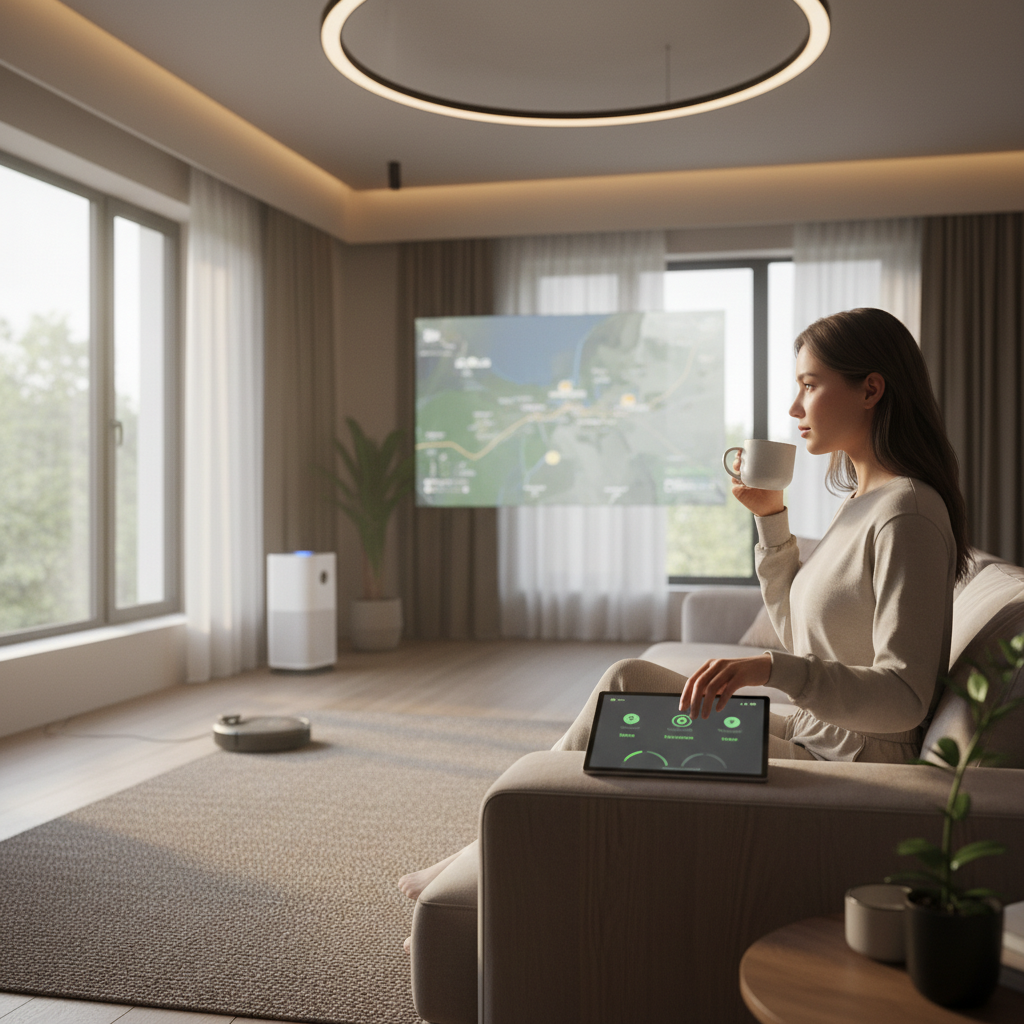
For many of us, the journey from basic appliances to a smart home has been a gradual one. Remember the days of individual remotes for every device? The frustration of multiple apps for lights, security, and entertainment? The promise of a truly connected home has been around for a while, but now, in 2026, the technology has finally matured to a point where it’s genuinely useful, reliable, and even sustainable.
Why Smart Homes? The Real Benefits in 2026
So, why are smart homes becoming so popular? It’s not just about the “wow” factor. The benefits are very real and directly address the needs of modern homeowners.
* **Energy Efficiency:** With rising energy costs, smart home technology offers tangible savings. Smart thermostats learn your routines and adjust the temperature accordingly, potentially reducing heating and cooling costs significantly. Smart appliances can be scheduled to run during off-peak hours, when electricity is cheaper, or when your solar panels are generating the most power.
* **Convenience and Control:** Imagine controlling your lights, security system, and entertainment from a single interface, whether it’s a wall-mounted touchscreen, a smartphone app, or voice control. Smart homes offer unparalleled convenience, making everyday tasks easier and more streamlined.
* **Enhanced Security:** Smart security systems go beyond basic alarms, integrating cameras, door locks, and sensors for comprehensive protection. You can monitor your home remotely, receive real-time alerts, and even control access from anywhere.
* **Improved Comfort:** Smart home technology can optimize your home environment for comfort. Automated lighting can adjust to your preferred settings, and smart air quality monitors can detect pollutants and allergens, automatically adjusting ventilation and purification.
* **Sustainability:** Smart homes are increasingly designed with sustainability in mind. Integration with solar panels, battery storage, and smart grids allows homeowners to reduce their carbon footprint and become more energy-independent.
Common Misconceptions and Usage Pitfalls
Despite the clear advantages, smart home technology is still relatively new, and there are common misconceptions and pitfalls that can lead to frustration.
* **Overcomplicating the System:** The biggest mistake is trying to do too much, too soon. Start with a few key features and gradually add more as you become comfortable.
* **Ignoring Network Security:** A smart home is only as secure as its network. Weak passwords, outdated firmware, and a lack of network segmentation can leave your system vulnerable to cyberattacks.
* **Assuming Compatibility:** Not all smart devices work seamlessly together. Before you buy, check for compatibility with your existing smart home ecosystem or consider adopting open standards like Matter, which is designed to ensure interoperability.
* **Neglecting Maintenance:** Like any technology, smart home devices require occasional maintenance. This includes software updates, battery replacements, and occasional inspections.
Smart Usage & Maintenance Habits for Long-Term Success
Building and maintaining a smart home is an ongoing process. Here are some smart habits to adopt for long-term success:
* **Prioritize a Strong Network:** A reliable home network is the foundation of your smart home. Invest in a high-quality router and consider hardwiring devices whenever possible.
* **Keep Software Updated:** Regularly update the firmware on all your smart devices. These updates often include security patches and performance improvements.
* **Secure Your Wi-Fi:** Use a strong, unique password for your Wi-Fi network and enable two-factor authentication.
* **Regularly Inspect Devices:** Perform occasional checks to ensure your devices are functioning correctly. This includes testing your security cameras, checking battery levels, and inspecting smart appliances for any issues.
* **Automate, but Don’t Over-Automate:** Smart home automation can simplify your life, but avoid creating overly complex routines that are difficult to manage.
* **Monitor Energy Usage:** Use smart plugs and energy monitoring devices to track your energy consumption and identify areas for improvement.
* **Consider Professional Help:** Don’t be afraid to seek professional assistance for complex installations or troubleshooting.
Relevance in 2025–2026: What’s Changed?
The smart home landscape is constantly evolving. In 2026, several key trends are shaping the way we live:
* **AI Integration:** Artificial intelligence is moving beyond voice commands and into predictive automation. Systems are learning user behaviors and automatically adjusting settings.
* **Interoperability:** The Matter standard is gaining widespread adoption, making it easier for devices from different manufacturers to work together seamlessly.
* **Sustainability:** Energy efficiency and sustainability are top priorities, with increased integration of solar panels, battery storage, and smart grids.
* **Enhanced Security:** Home security systems are becoming more integrated and intelligent, with features like advanced biometric access control and AI-powered threat detection.
* **Design-Led Devices:** Smart home technology is becoming more aesthetically pleasing, with sleek switches, elegant thermostats, and beautiful interfaces that complement your home’s interior.
Future-Proof Advice: What Truly Matters?
To ensure your smart home remains relevant and useful for years to come, focus on these key aspects:
* **Open Standards:** Choose devices that support open standards like Matter to ensure interoperability and avoid being locked into a single ecosystem.
* **Network Foundation:** Build a robust and reliable home network to support all your smart devices.
* **Scalability:** Design your system with the ability to expand and adapt to new technologies.
* **Security First:** Prioritize security from the outset by implementing strong passwords, keeping software updated, and using network segmentation.
* **Long-Term Support:** Choose brands and systems that offer long-term support and software updates.
Building a smart home isn’t just about acquiring the latest gadgets; it’s about creating a living space that is efficient, secure, and responsive to your needs. By following these guidelines, you can create a smart home that will enhance your life for years to come. Remember the future is now. Consider also the impact of small habits and how they can change our lives, much like integrating smart technology in our daily living. The Phone’s Grip: How Small Habits Have Changed Us in a Big Way
FAQ: Your Smart Home Questions Answered
Here are some common questions about smart homes, answered simply and practically:
* **Q: How do I get started with a smart home?**
A: Start small! Choose one area of your home, like lighting or security. Select a few smart devices, set them up, and learn how they work. Then, gradually add more devices as you become comfortable.
* **Q: Are smart homes secure?**
A: Smart homes can be very secure if you take the necessary precautions. Use strong passwords, keep your software updated, secure your Wi-Fi network, and consider using network segmentation for sensitive devices.
* **Q: Will my smart home devices become obsolete?**
A: Some devices may become outdated, but by choosing products that support open standards and investing in a solid home network, you can minimize the risk of obsolescence.
* **Q: How much does a smart home cost?**
A: The cost of a smart home can vary greatly. You can start with a few basic devices for a few hundred dollars or invest in a comprehensive system that costs thousands.
* **Q: Can I install smart home devices myself?**
A: Many smart home devices are easy to install yourself. However, for complex installations or electrical work, it’s best to hire a professional.
* **Q: What if the internet goes down?**
A: Many smart home devices will still function even if the internet is down. However, you may lose some of the advanced features, such as remote control or voice control.
* **Q: How do smart appliances save energy?**
A: Smart appliances can be scheduled to run during off-peak hours, when electricity is cheaper. They can also optimize their energy usage based on your habits and the time of day. Energy Star-certified appliances are also an excellent option.
* **Q: What is the best smart home platform?**
A: There is no single “best” platform. The best platform for you will depend on your individual needs and preferences. Popular options include Apple HomeKit, Google Home, and Amazon Alexa.
The smart home of 2026 is a practical, user-friendly, and sustainable solution for modern living. By understanding the benefits, avoiding common pitfalls, and adopting smart habits, you can create a home that truly anticipates your needs and simplifies your life. Visit Josephs Well to learn more.