Picture this: It’s a Saturday morning in early 2026. You’re finally tackling that “honey-do” list. You load up the washing machine, only to find it’s decided to give up the ghost, mid-cycle. Frustrating, right? Especially when you’re staring down a mountain of laundry. This scenario isn’t just a weekend ruiner; it’s a reality check on the life expectancy of our modern home appliances. Gone are the days of appliances that last for decades. Today, with all the added electronics and fancy features, things are a little different. Let’s dive into what you can expect from your appliances in 2026 and how to make them last as long as possible.
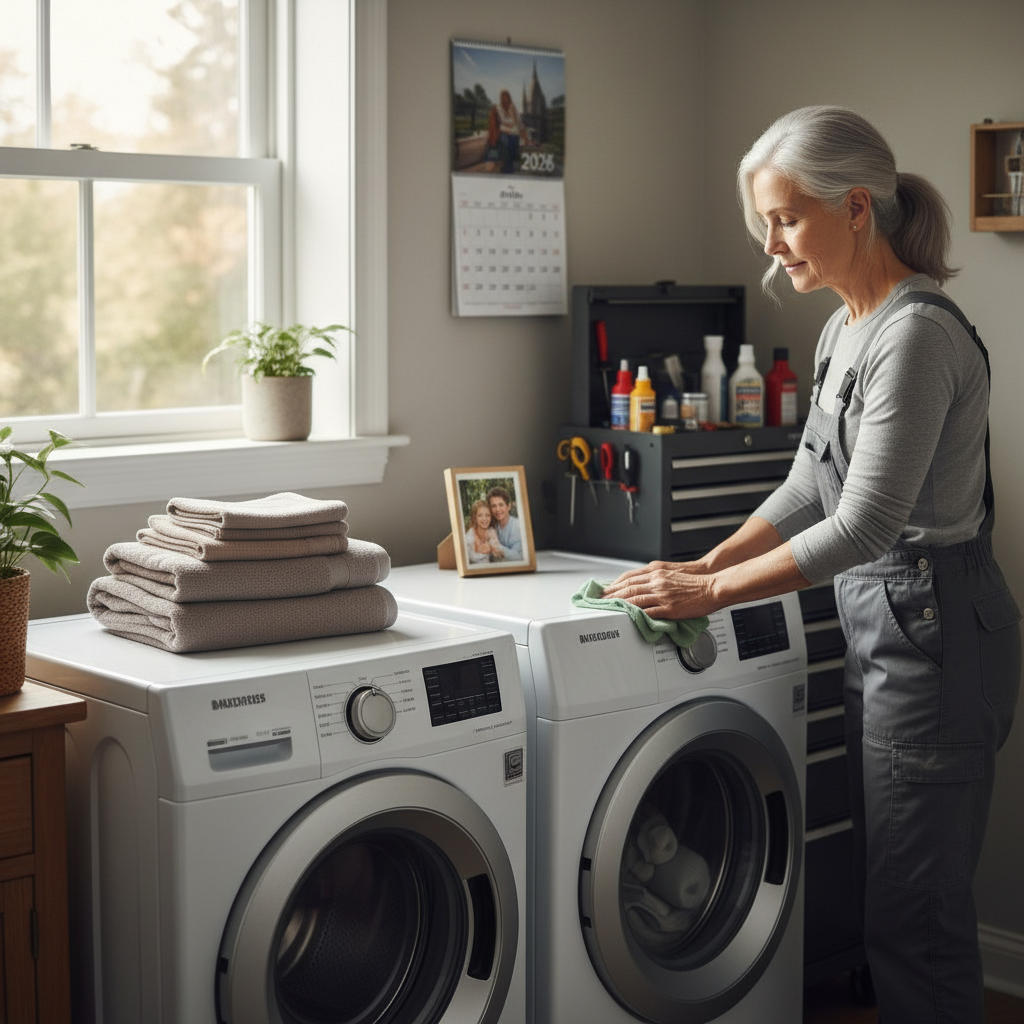
The Truth About Appliance Lifespans in 2026
The first thing to understand is that the average lifespan of most major home appliances has decreased. Why? Well, appliances today are packed with more technology than ever before. Think about it: Wi-Fi connectivity, LCD screens, and load-sensing technology are now commonplace. While these features offer convenience, they also introduce more potential points of failure. As Josephs Well knows, more gadgets mean more things that can go wrong.
Here’s a general idea of what you might expect, but remember, these are averages, and your mileage may vary:
- Dishwashers: Around 9-12 years
- Refrigerators: Typically 9-19 years. However, higher-end models may last longer.
- Washing Machines: About 8-16 years
- Dryers: Usually last 10-18 years
- Ranges (Electric): Generally 13-15 years
- Ranges (Gas): Often last a bit longer, around 15-23 years
- Microwaves: Approximately 5-10 years
Keep in mind that these are just averages. Factors like usage, maintenance, and the quality of the appliance will all play a role. Also, note that appliances with more complex features might have shorter lifespans, as there are more components that could fail.
Misunderstandings and Misuse: Common Mistakes That Shorten Lifespans
It’s easy to take our appliances for granted, but how we use and treat them greatly impacts how long they’ll last. Here are some common missteps:
- Overloading: Stuffing your washing machine or dishwasher to the brim puts extra strain on the motor and other components. It also impacts the cleaning performance.
- Neglecting Maintenance: Skipping regular cleaning and maintenance is a major culprit. Think of it like not changing the oil in your car. Appliances need a little TLC to keep running smoothly.
- Ignoring Problems: That weird noise your refrigerator is making? Don’t ignore it! Addressing small issues early on can prevent them from turning into major, expensive repairs.
- Using Incorrect Products: Using the wrong type of detergent in your dishwasher or washing machine can cause build-up and damage.
- Poor Ventilation: Blocking the vents on your dryer or not cleaning the lint trap can lead to overheating and potential fire hazards, shortening its life.
- Overlooking Placement: Putting your refrigerator in a spot that gets too much direct sunlight or is poorly ventilated can force it to work harder and wear out faster.
Smart Usage & Maintenance Habits for Long-Lasting Appliances
So, how do you get the most out of your appliances in 2026 and beyond? Here’s your practical, experience-based guide:
- Read the Manual: Seriously, it sounds simple, but the owner’s manual is your best friend. It provides specific instructions for your appliance, including cleaning and maintenance tips, and a better understanding of how the appliance works.
- Regular Cleaning: Cleaning is key! Here’s a quick cheat sheet:
- Dishwashers: Clean the filter regularly and run a dishwasher cleaner (like Lemi Shine, as recommended by some experts) a couple of times a year.
- Refrigerators: Wipe up spills promptly, clean the coils (either at the back or underneath), and do a deep clean at least once a year.
- Washing Machines: Run a cleaning cycle, and leave the door open after each use to prevent mold and mildew.
- Dryers: Clean the lint trap *every single time* you use it. Also, consider cleaning the vent hose regularly.
- Stoves/Ranges: Clean up spills immediately and clean the burners regularly.
- Proper Loading: Follow the manufacturer’s recommendations for how much to load in your appliances.
- Address Problems Promptly: Don’t delay! If you notice anything unusual—a strange noise, a leak, or a change in performance—address it right away.
- Consider Professional Maintenance: For some appliances, like your HVAC system, professional maintenance can extend their lifespan.
- Embrace Smart Features, But Don’t Over-Rely: Many smart appliances can help with energy efficiency. For example, a smart thermostat can automatically adjust the temperature. However, do not give your devices complete control. Remember to adjust settings as needed.
2025–2026 Relevance and Future-Proofing Your Appliances
In 2026, smart home technology is becoming more integrated into our daily lives. From smart refrigerators that manage your grocery lists to ovens that you can preheat remotely, the future of appliances is all about convenience, energy efficiency, and connectivity.
What does this mean for you?
- Embrace the Smart, But Be Practical: Consider smart appliances, but prioritize features that truly benefit your lifestyle. Make sure these smart devices are compatible and automated.
- Energy Efficiency Matters More Than Ever: With rising energy costs, look for Energy Star-certified appliances. Look into heat pump water heaters, which are designed to improve home energy efficiency.
- Consider the Repair Ecosystem: As appliances become more complex, the repair landscape is changing. Keep in mind that emerging technologies, such as 3D printing, could offer innovative solutions for on-demand parts.
- Focus on the Basics: Regardless of how “smart” your appliance is, proper maintenance and care are still essential for extending its lifespan.
- Think Long-Term: Research appliance lifespans when purchasing new appliances. Make sure to consider the total cost of ownership, including potential repair costs.
Frequently Asked Questions (FAQ)
Here are some of the most common questions about appliance lifespans and maintenance:
How often should I clean my refrigerator coils?
It’s generally recommended to clean your refrigerator coils every six months to a year. This helps the refrigerator run more efficiently.
What’s the best way to clean my washing machine?
Run a cleaning cycle with a washing machine cleaner. Also, wipe down the door and leave it open after each use to prevent mold and mildew.
How can I tell how old my appliance is?
Check the serial number tag. Often, the manufacturing date is listed clearly. If you can’t find it, you may need to decode the serial number. You can search online for the appliance date code based on your brand.
Is it worth repairing an older appliance?
That depends. Get an estimate for the repair. If the repair cost is a significant percentage (say, 50% or more) of the cost of a new appliance, or if the appliance is nearing the end of its average lifespan, it might be better to replace it.
What are some signs that my appliance is about to fail?
Unusual noises, leaks, a change in performance (e.g., clothes not drying as quickly), or higher energy bills are all red flags.
Do extended warranties really matter?
Extended warranties can be helpful for some, depending on the appliance and your risk tolerance. Weigh the cost of the warranty against the potential cost of repairs. Consider whether it makes sense for a higher-end appliance or an appliance you rely on heavily.
How can smart home technology help with appliance longevity?
Smart home technology can offer insights into appliance usage, helping you identify potential issues. Smart appliances with energy-saving features can also reduce wear and tear and lower costs.
By understanding appliance lifespans, practicing good maintenance habits, and embracing smart technology, you can ensure your home appliances serve you well for years to come. Remember, a little proactive care today can save you from a major headache (and expense) down the road. For more tips on creating a streamlined home, explore Conquering Kitchen Chaos: a Smart Living Guide to a Streamlined Culinary Space.