Life moves fast. We’re constantly juggling work, family, and a thousand other things. In the rush, it’s easy to overlook the small, everyday actions that can make a big difference in our lives, especially when it comes to the safety and security of our homes. The good news is that enhancing your home’s safety doesn’t require a complete overhaul or complicated systems. It can be as simple as establishing a few consistent routines. These small, daily habits can create a significant layer of protection, offering long-term peace of mind and simplifying your life.
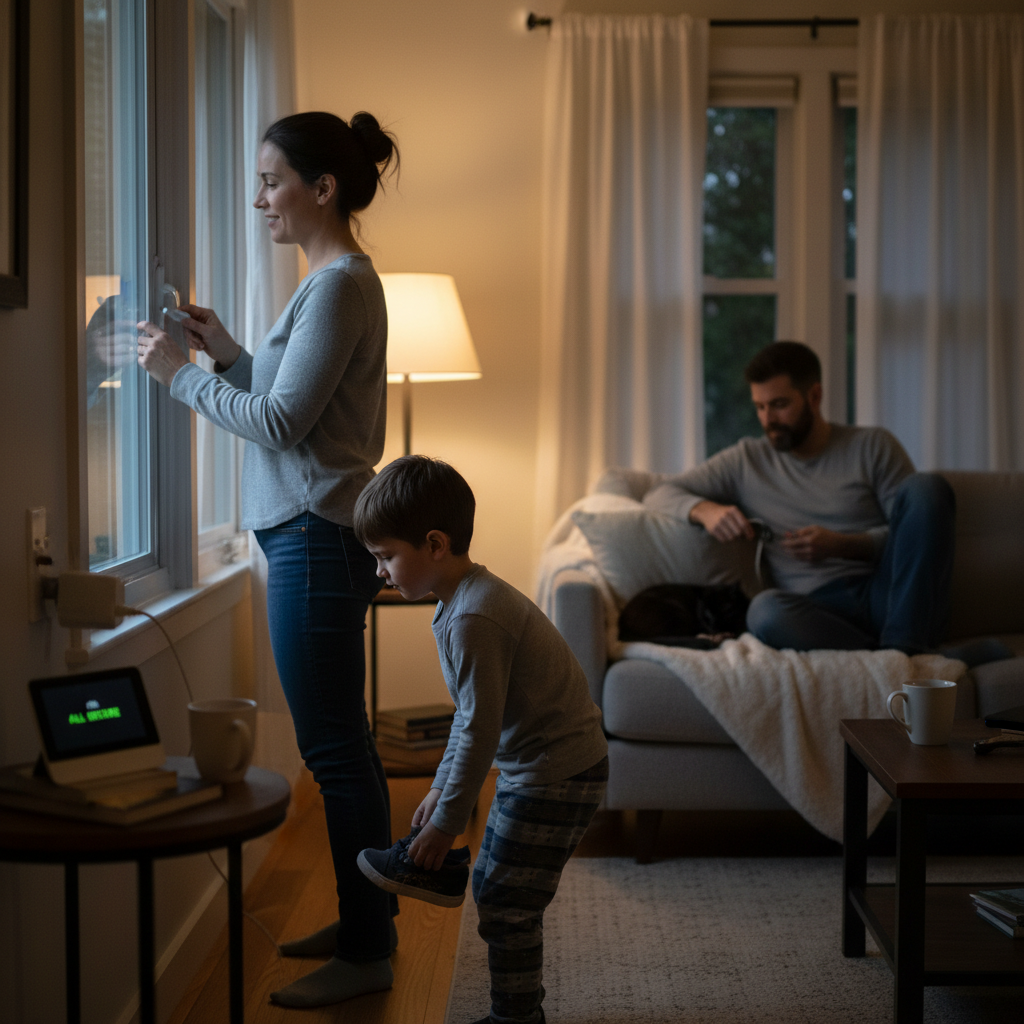
The Morning Rush: Unseen Hazards and Simple Solutions
Consider your typical weekday morning. You’re probably rushing to get ready, make breakfast, and get out the door. It’s a prime time for oversights. Here’s a look at some common, easily-avoided risks:
- Leaving doors unlocked: A quick check of all entry points before you leave is a simple, yet effective, security measure.
- Forgetting to close windows: Open windows are an invitation to intruders. Moreover, if you have your air conditioning or heating on, it can lead to higher energy costs.
- Overlooking appliances: Did you leave the toaster on? Did you turn off the coffee maker? These seemingly minor details can pose significant fire hazards.
The Fix: Before you head out, implement a simple “exit check.” Take one minute to ensure all doors and windows are closed and locked, and that appliances are safely turned off. Even the kids can help! By involving everyone in the process, you create a culture of awareness and responsibility.
The Evening Wind-Down: Setting the Stage for Security
As the day winds down, another set of routines comes into play. Evening habits are just as crucial for home safety.
- Failing to secure entryways: At night, it’s even more important to ensure all doors and windows are locked.
- Neglecting outdoor lighting: A well-lit exterior is a significant deterrent to potential intruders.
- Ignoring the alarm system: If you have a security system, make sure it’s activated every night.
The Fix: Incorporate a consistent “bedtime security routine.” Lock all doors and windows, and engage your security system. Consider using smart home technology to automate lighting and security features.
Why These Routines Matter: The Power of Habit
The beauty of these daily routines lies in their simplicity and consistency. By repeating these actions day in and day out, they become habits. Habits are automatic; they require less conscious effort, making it easier to maintain a high level of home safety consistently.
These simple rituals offer several benefits:
- Enhanced Security: Consistent locking, lighting, and alarm activation provide a robust defense against potential threats.
- Reduced Risk: Checking appliances and other potential hazards minimizes the risk of fire and other accidents.
- Peace of Mind: Knowing that you’ve taken these simple steps provides a sense of security and reduces stress.
Modern Lifestyle Relevance: Smart Home Integration
In today’s world, smart home technology offers incredible opportunities to streamline and enhance these safety routines. You can automate many of the tasks mentioned above, integrating them seamlessly into your daily life. For example, smart door locks can lock automatically at a set time each night, and smart lighting can be programmed to turn on at dusk and off at dawn. Smart smoke and carbon monoxide detectors can alert you of emergencies even when you’re away from home.
Smart home devices can help homeowners manage their risk by enabling remote monitoring, alerts, and control of a home’s systems. When using smart home technology, it’s crucial to prioritize security. Use strong passwords, enable multi-factor authentication, and keep your Wi-Fi network secure. Consider segmenting your network to keep your smart home devices separate from your sensitive data.
Beyond the Basics: Expanding Your Safety Net
While daily routines are essential, several other safety measures can enhance your home’s protection:
- Regular Inspections: Schedule regular inspections of your heating and cooling systems to prevent fire hazards.
- Emergency Preparedness: Have a fire escape plan and practice it regularly. Ensure you have working smoke detectors and carbon monoxide detectors on every level of your home.
- Address Trip Hazards: Maintain clear walkways and hallways, free of clutter.
Long-Term Benefits: Convenience and Lasting Security
The cumulative effect of these small, consistent actions is significant. Over time, these routines become second nature, creating a secure environment without demanding constant vigilance. You gain the convenience of knowing your home is protected, and the peace of mind that comes with it.
By making home safety a priority through simple daily routines, you invest in your well-being, reduce stress, and create a safer, more comfortable living space for yourself and your family.
Frequently Asked Questions
1. How often should I test my smoke detectors?
Test your smoke detectors monthly and replace the batteries at least twice a year, ideally when you change your clocks for daylight savings.
2. What are the most common home safety hazards?
Some common home safety hazards include: not enough smoke detectors, batteries, lint in your clothes dryer, overloaded outlets, and carbon monoxide.
3. How can I childproof my home?
Use safety latches on cabinets, cover electrical outlets, and secure heavy furniture to prevent tip-overs.
4. How often should I inspect my flexi-hoses?
Inspect your flexi-hoses every 6 months to prevent water damage.
5. What is the ideal temperature for my hot water heater?
Set your hot water heater to 120°F (48.8°C) or lower to prevent scalding.
6. How can I make my home more secure at night?
Lock all doors and windows, activate your security system, and ensure your exterior is well-lit.
7. Are smart home devices secure?
Smart home devices can increase home security and enhance your life, but it is important to secure them to help protect against hackers and other intrusions. Activate all security features to protect against interception of signals and make sure the device issues an alert if it loses the connection.
8. What is the advantage of using smart home automation?
Smart home automation can help with convenience, by automating things like lights, security, and thermostats. Also, it can help homeowners manage their risk by enabling remote monitoring, alerts and control of a home’s systems that, if they were to fail and go unnoticed, could result in costly consequences.
For more information, visit Josephs Well.