It’s a familiar scene: You walk into your home on a scorching summer day, and the blast of cool air from your air conditioner is a welcome relief. But have you ever stopped to think about the technology behind that comfort, and how it’s evolving? Today, we’ll dive into the world of air conditioning, exploring how it works, common pitfalls, smart usage, and what the future holds for keeping our homes cool and comfortable.
Why We Need Air Conditioning
Air conditioning isn’t just a luxury; it’s increasingly becoming a necessity. As climate change brings hotter temperatures, AC is essential for maintaining health and productivity. It protects us from heatstroke and allows us to focus on our daily lives, whether working from home or simply relaxing.
How Air Conditioners Work: The Basics
At its core, an air conditioner removes heat from inside your home and transfers it outside. It uses a refrigerant that changes between liquid and gas states. Here’s a simplified breakdown:
* **Refrigerant Absorption:** The refrigerant absorbs heat from the indoor air, turning it into a gas.
* **Compression:** A compressor increases the pressure and temperature of the refrigerant gas.
* **Heat Rejection:** The hot, high-pressure gas releases heat to the outside air through the condenser coil (the outdoor unit).
* **Expansion:** The refrigerant cools as it expands back into a liquid state.
* **Cycle Repeat:** The cooled refrigerant absorbs heat again, restarting the cycle.
The “Vicious Cycle” and Why It Matters
Here’s the problem: traditional AC units use a lot of energy. As temperatures rise, we use AC more, consuming more energy and potentially contributing to greenhouse gas emissions. This is the “vicious cycle”. Cooling is one of the fastest-growing energy demands globally. The challenge is to find ways to keep cool without exacerbating the problem.
Common Air Conditioning Problems and How to Avoid Them
Knowing the common issues can save you money and headaches. Here’s a look at frequent AC problems, and what you can do about them:
* **Not Cooling:**
* **Problem:** Dirty air filter or a refrigerant leak.
* **Solution:** Replace the filter regularly (every 1-3 months), and have a professional check for leaks.
* **Not Turning On:**
* **Problem:** Tripped circuit breaker, faulty thermostat, or dead batteries in the thermostat.
* **Solution:** Check the breaker, replace the batteries, and call for professional assistance if needed.
* **Frozen Evaporator Coil:**
* **Problem:** Poor airflow due to a dirty filter or blocked vents.
* **Solution:** Replace the filter, ensure vents are clear, and have a professional check the system.
* **Leaking Water:**
* **Problem:** Clogged drain line or faulty condensate pump.
* **Solution:** Clean the drain line and have a professional repair the pump if necessary.
Smart Usage and Maintenance Habits: Your Path to a Cool, Efficient Home
Here’s how to get the most out of your AC while minimizing energy use:
* **Regular Filter Changes:** This is the most crucial maintenance task. Dirty filters restrict airflow, making the AC work harder.
* **Clean the Outdoor Unit:** Keep the condenser (the outside unit) free of debris like leaves and branches, as this can impede airflow and reduce efficiency.
* **Seal Air Leaks:** Seal any gaps around windows and doors to prevent cool air from escaping.
* **Use Curtains and Blinds:** Close curtains and blinds during the hottest part of the day to reduce heat gain.
* **Set the Thermostat Wisely:** Avoid setting the thermostat too low; every degree can make a difference in energy consumption.
* **Consider a Programmable or Smart Thermostat:** These allow you to set schedules and adjust temperatures remotely, optimizing energy use.
* **Schedule Professional Maintenance:** Have a qualified technician inspect and maintain your system annually. This includes cleaning coils, checking refrigerant levels, and identifying potential problems before they become major issues.
Relevance in 2025–2026: What’s New?
The trends are clear:
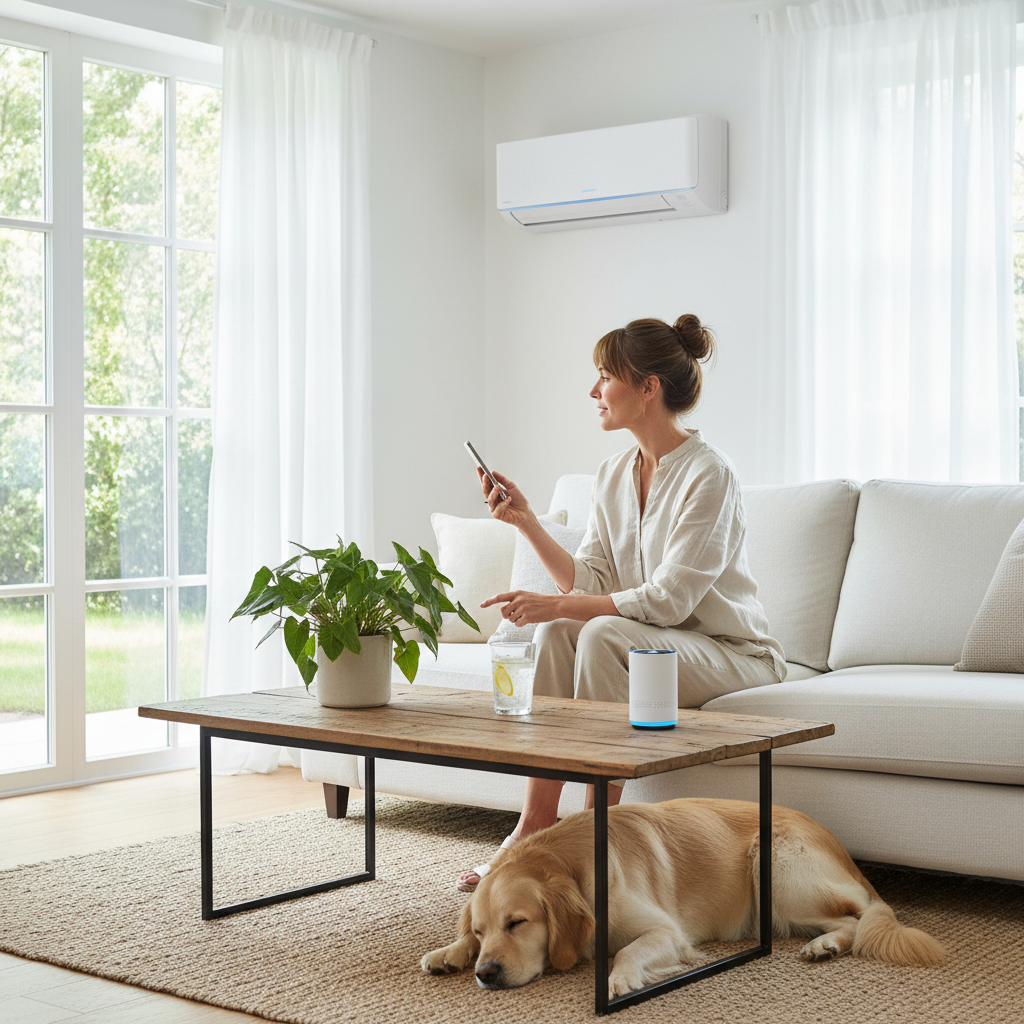
* **Smart Home Integration:** Smart ACs connect to Wi-Fi, allowing control via smartphones and integration with other smart home devices. They can learn your preferences and optimize cooling accordingly.
* **Energy Efficiency is Key:** With rising energy costs and environmental concerns, expect to see more efficient models with higher SEER (Seasonal Energy Efficiency Ratio) ratings.
* **Eco-Friendly Refrigerants:** Manufacturers are switching to refrigerants with lower Global Warming Potential (GWP).
Future-Proof Advice: What Actually Matters
* **Invest in Efficiency:** When replacing or upgrading your AC, prioritize energy-efficient models.
* **Embrace Smart Technology:** Take advantage of smart features to manage your system remotely and optimize performance.
* **Prioritize Regular Maintenance:** This is the key to extending the life of your AC and ensuring efficient operation.
* **Consider a Heat Pump:** These systems can both cool and heat, offering a year-round solution.
* **Stay Informed:** Keep up with advancements in air conditioning technology. The future is moving towards more sustainable and efficient solutions.
The Future of Air Conditioning
The future of AC is about more than just cooling; it’s about sustainability, efficiency, and smart technology. Here’s what to watch for:
* **Smarter, Connected Systems:** Expect ACs to become even more integrated into smart home ecosystems. AI may learn your habits and adjust cooling automatically.
* **Eco-Friendly Cooling:** The industry is moving towards refrigerants with lower environmental impact and exploring renewable energy sources like solar power.
* **New Cooling Technologies:** Research is underway on innovative technologies like magnetic cooling, which use magnets instead of refrigerants.
The goal is to provide comfort with a smaller environmental footprint. By understanding how AC works, adopting smart usage habits, and staying informed about the latest technologies, you can ensure your home stays cool, comfortable, and future-ready.
Frequently Asked Questions (FAQ)
Here are some common questions about air conditioning:
* **How often should I change my AC filter?**
* Generally, every 1-3 months. However, if you have pets or live in a dusty environment, you may need to change it more frequently.
* **My AC isn’t cooling. What should I check first?**
* First, check your thermostat settings and batteries. Then, check the circuit breaker. If the problem persists, you’ll need to call a professional.
* **What does SEER mean?**
* SEER stands for Seasonal Energy Efficiency Ratio. It measures the cooling efficiency of an AC unit. Higher SEER ratings mean greater energy efficiency.
* **How can I improve my AC’s efficiency?**
* Regular filter changes, cleaning the outdoor unit, sealing air leaks, and using a smart thermostat are all ways to improve efficiency.
* **Is it safe to run my AC all day?**
* Yes, it’s generally safe. However, consider using a programmable thermostat to set different temperatures for different times of the day to save energy.
* **What are some signs that my AC needs professional attention?**
* If your AC is not cooling, making strange noises, leaking water or refrigerant, or running constantly, it’s time to call a professional.
* **Are smart ACs worth the investment?**
* Yes, smart ACs offer convenience, energy savings, and the ability to integrate with other smart home devices.
* **What is the best temperature to set my AC to?**
* The ideal temperature depends on your personal preferences, but generally, setting it to 78°F (25.5°C) is recommended for energy efficiency. You can adjust the temperature based on your comfort level.
Remember that proper air conditioning maintenance is an investment in your home’s comfort, your energy bills, and the environment. By staying informed and adopting smart practices, you can enjoy the benefits of air conditioning while minimizing its impact. For more information, you may want to explore related articles like “Smart TVs in 2026: What You Need to Know Before You Buy” at Smart TVs in 2026: What You Need to Know Before You Buy. Or, visit our homepage at Josephs Well for more smart home tips and resources.