It’s a crisp autumn evening in [Internal Link 1: your city]. The leaves are turning, the air smells of woodsmoke, and you’re settling in for a cozy night. But as you close the windows and turn up the heat, you start to feel it – a familiar scratchiness in your throat, a stuffy nose, and a general feeling of… well, *blah*. Sound familiar? You’re not alone. Indoor air quality, often overlooked, is a critical aspect of your home’s comfort and your family’s health. And in 2026, with rising concerns about pollution and a growing understanding of respiratory health, the humble air purifier has become a household essential.
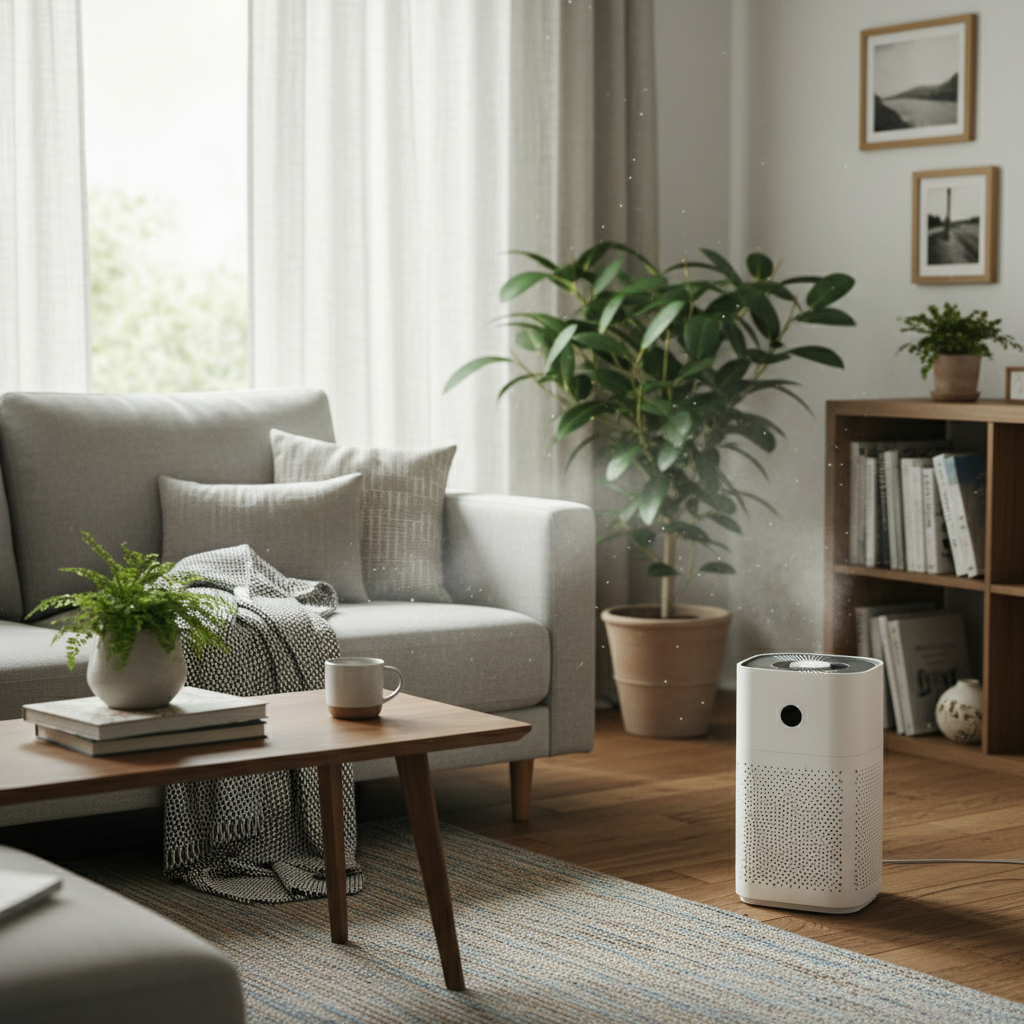
Why Air Purifiers Matter in 2026
We’ve come a long way from the days when the only air freshener was a can of, well, *something*. Today, the focus is on *clean* air, and that’s where air purifiers come in. They’re designed to remove pollutants from the air, including:
* **Particulate Matter (PM2.5 and PM10):** These tiny particles come from dust, smoke, pollen, and other sources. They can penetrate deep into your lungs and bloodstream, causing health problems.
* **Volatile Organic Compounds (VOCs):** These gases are released from furniture, cleaning products, and even building materials. They can cause headaches, dizziness, and other symptoms.
* **Allergens:** Pollen, pet dander, and dust mites can trigger allergies and asthma.
* **Odors:** Air purifiers with activated carbon filters can help neutralize unpleasant smells.
In 2026, the reasons to invest in a good air purifier are even more compelling:
* **Increased Awareness:** People are more informed about the dangers of indoor air pollution and its impact on health.
* **Rising Pollution Levels:** Urban areas and regions affected by wildfires or other environmental events are seeing increased air pollution.
* **Smart Home Integration:** Modern air purifiers can integrate with your smart home system, offering automated operation and real-time air quality monitoring.
Common Misconceptions and Mistakes
Despite their benefits, air purifiers are often misunderstood and misused. Here are some common mistakes to avoid:
* **Buying the Wrong Size:** An air purifier that’s too small for the room won’t be effective. Always check the manufacturer’s recommended room size.
* **Neglecting Filter Maintenance:** This is a big one. Clogged filters reduce the purifier’s efficiency and can even release trapped pollutants back into the air.
* **Choosing the Wrong Filter Type:** Different filters target different pollutants. A HEPA filter is excellent for particulate matter, but you’ll need an activated carbon filter for odors and VOCs.
* **Ignoring Ozone Generators:** These devices intentionally produce ozone, which is a lung irritant and can be harmful. Always choose purifiers that do *not* generate ozone.
* **Not Considering Long-Term Costs:** The initial price is just part of the equation. Factor in the cost of replacement filters and energy consumption.
Smart Usage and Maintenance Habits for 2026
To get the most out of your air purifier in 2026, follow these smart usage and maintenance habits:
* **Choose the Right Size:** Measure the room and select a purifier with an appropriate Clean Air Delivery Rate (CADR).
* **Consider the Pollutants You Want to Remove:** Do you have pets? Are you in an area with high pollen counts? Choose a filter combination that addresses your specific needs.
* **Place the Purifier Strategically:** Keep it away from walls and furniture to allow for proper airflow.
* **Follow the Filter Replacement Schedule:** This is crucial. Most filters need to be replaced every 3–6 months, depending on usage and filter type. Set reminders!
* **Clean the Prefilter Regularly:** Many purifiers have a washable prefilter that traps larger particles. Clean it at least monthly to extend the life of your main filters.
* **Consider a Smart Purifier:** A smart purifier can automatically adjust its settings based on air quality, and integrate with your smart home system.
* **Maintain a Clean Home:** Regular cleaning, vacuuming, and dusting will reduce the workload on your air purifier.
Future-Proof Advice: What Actually Matters
The technology of air purification is constantly evolving. To future-proof your investment, focus on these key factors:
* **HEPA Filtration:** This is the gold standard for removing particulate matter. Look for True HEPA filters that capture 99.97% of particles as small as 0.3 microns.
* **Activated Carbon Filters:** Essential for removing odors, VOCs, and gases.
* **Smart Features:** Integration with your smart home system offers convenience and automated operation.
* **Energy Efficiency:** Look for ENERGY STAR certified models to save on electricity costs.
* **Air Quality Sensors:** Some purifiers come equipped with sensors that detect pollutants, allergens, and VOCs, which can then provide real-time readings.
The future of air purification is moving towards smarter systems with AI and IoT integration. Future air purifiers are also moving beyond general filtration to target specific pollutants.
The global air purifier market is expected to grow, with more people prioritizing health and environmental quality.
FAQs: Your Air Purifier Questions Answered
Here are some frequently asked questions to help you navigate the world of air purifiers:
**Q: How do I choose the right size air purifier?**
A: Measure the square footage of the room and choose a purifier with a CADR rating that matches. Also, consider ceiling height.
**Q: How often should I replace the filters?**
A: It depends on the filter type and usage, but generally, HEPA and carbon filters should be replaced every 3–6 months. Follow the manufacturer’s recommendations.
**Q: Are air purifiers safe for pets and children?**
A: Yes, but avoid ozone generators. Make sure the purifier has a HEPA filter and activated carbon filter, and is placed in an area with good air circulation.
**Q: Can air purifiers really help with allergies?**
A: Yes, HEPA filters are very effective at removing allergens like pollen, pet dander, and dust mites.
**Q: How do I clean my air purifier?**
A: Unplug the unit. Wipe the exterior with a soft, damp cloth. Wash the prefilter regularly, following the manufacturer’s instructions. Replace filters on schedule.
**Q: What are the benefits of a smart air purifier?**
A: Smart air purifiers can be controlled remotely, monitor air quality in real-time, and automatically adjust their settings. They can also integrate with other smart home devices.
**Q: Are there any air purifiers that I should avoid?**
A: Yes, avoid air purifiers that generate ozone.
**Q: How can I reduce pollutants in my home?**
A: By reducing pollutants at the source, such as regular vacuuming and dusting, maintaining HVAC systems, and controlling humidity levels.
With the right knowledge and habits, you can create a healthier, more comfortable home environment in 2026 and beyond. By choosing a quality air purifier and following smart usage and maintenance tips, you can breathe easier and enjoy a cleaner, fresher living space. Remember, investing in your indoor air quality is an investment in your overall well-being.