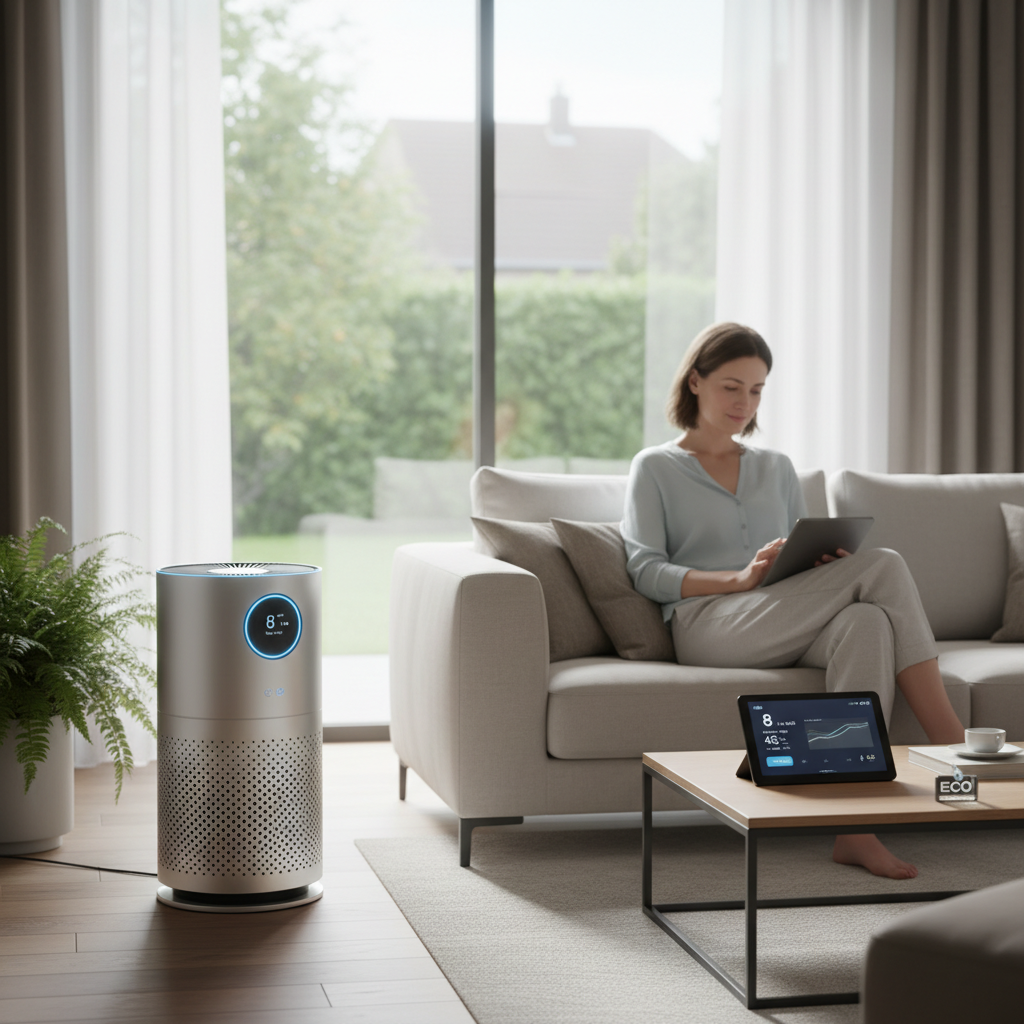
It’s a Tuesday morning in February, and the first thing I do is check the air quality reading on my smart home dashboard. It’s a habit, a small reassurance in a world where we’re increasingly aware of what we breathe. My air purifier, a sleek, wall-mounted unit, has been working overnight, and the numbers look good. It wasn’t always like this.
Years ago, I remember the struggle. We lived in an older house, and my allergies were a constant battle. Dust, pollen, and the occasional musty smell from the basement – it was a losing fight. We tried everything: better vacuuming, more frequent cleaning, and even opening windows, which, in our case, often made things worse.
Then came the air purifier, a hulking box that promised relief. It helped, sure, but it was noisy, clunky, and the filters needed constant attention. The technology felt…unfinished.
Fast forward to 2026, and the game has changed. Air purifiers aren’t just about removing particles anymore; they’re integrated, intelligent, and designed to fit seamlessly into our lives. They’re not just appliances; they’re part of a larger system, working quietly in the background to improve our health and well-being.
Why Air Purifiers Matter More Than Ever
So, why the shift? Why are air purifiers suddenly a must-have, rather than a “nice to have”? The answer is complex, but it boils down to several key factors:
* **Increased Awareness:** People are more informed about the dangers of indoor air pollution. We spend roughly 90% of our time indoors. The EPA has stated that indoor air can be 2 to 5 times more polluted than outdoor air. This matters, because over time, the health effects accumulate.
* **Urbanization and Pollution:** As cities grow, so does air pollution. But even in suburban and rural areas, issues like wildfire smoke, agricultural emissions, and seasonal allergens are growing concerns.
* **Health Concerns:** Respiratory illnesses, allergies, and sensitivities are on the rise. Clean air is no longer a luxury, but a necessity for many. According to the National Institutes of Health, 50% of all illnesses are aggravated or caused by polluted indoor air.
The Misconceptions and the Realities of Air Purifiers
It’s easy to fall into the trap of thinking an air purifier is a magic bullet. But the truth is more nuanced. Here’s a breakdown of common misunderstandings:
* **Myth:** An air purifier solves all air quality problems.
* **Reality:** Air purifiers are highly effective at removing particulate matter, allergens, and odors. However, they can’t eliminate all pollutants, like certain gases or chemicals. Source control is still key.
* **Myth:** The bigger the purifier, the better.
* **Reality:** You need to match the Clean Air Delivery Rate (CADR) of the purifier to the room size. A unit that’s too small won’t be effective.
* **Myth:** All filters are the same.
* **Reality:** Different filters target different pollutants. True HEPA filters are excellent for particles, while activated carbon filters are best for odors and VOCs.
Common Long-Term Problems and How to Avoid Them
Even the best technology can run into problems if not properly cared for. Here are some issues that can arise and how to prevent them:
* **Clogged Filters:** This is the most common issue. Dust, pet dander, and other particles accumulate, reducing airflow and efficiency.
* **Solution:** Replace filters on schedule (every 6-12 months for HEPA, more frequently for carbon) and clean pre-filters regularly. Set a reminder!
* **Motor Failure:** The fan motor is the heart of the purifier. It can fail from age, debris, or electrical faults.
* **Solution:** Ensure the unit is placed in a space with proper airflow. Don’t block air intake and exhaust vents.
* **Odor Build-up:** If you notice a musty or stale smell, it might be due to a saturated filter or mold growth.
* **Solution:** Replace filters and consider a unit with UV-C light for sterilization.
Smart Usage and Maintenance Habits for 2026
Here’s how to get the most out of your air purifier in the current year:
* **Placement is Key:** Position the purifier in a central location, away from walls and furniture to allow for optimal airflow. Place it in rooms where you spend the most time.
* **Run it Continuously:** For the best results, keep your purifier running 24/7. Modern units are energy-efficient and designed for continuous use.
* **Regular Cleaning:** Wipe down the exterior of the unit regularly with a microfiber cloth. This helps prevent dust build-up.
* **Filter Maintenance:** Follow the manufacturer’s guidelines for filter replacement. Consider using smart features to track filter life.
* **Consider Smart Features:** Many air purifiers now have app integration, allowing you to monitor air quality, adjust settings remotely, and receive alerts when filters need replacing.
Future-Proofing Your Air Quality: What Actually Matters
What about the future? As technology evolves, here’s what to look for when choosing an air purifier to ensure it stays relevant:
* **Smart Integration:** Look for units that connect to your smart home ecosystem, allowing for seamless integration and control.
* **AI-Powered Automation:** AI is being integrated into air purifiers to actively predict and respond to environmental changes. This ensures optimal air quality without manual intervention.
* **Multi-Stage Filtration:** Look for systems that combine HEPA filters with activated carbon and other advanced filtration methods, such as ceramic core technology.
* **Targeted Solutions:** Future air purifiers will target specific pollutants like formaldehyde and VOCs.
* **Design and Aesthetics:** As mentioned, the air purifier market is finally shifting from function-only to design-forward innovation.
FAQ: Your Air Purifier Questions Answered
Here are some common questions about air purifiers:
* **Q: How often should I replace my air purifier filters?**
* **A:** It depends on the filter type and usage. HEPA filters typically last 6-12 months, while activated carbon filters may need replacing every 3-6 months. Check the manufacturer’s recommendations.
* **Q: Can I clean and reuse my air purifier filters?**
* **A:** Most filters are designed for single use and should be replaced.
* **Q: Is it safe to run an air purifier 24/7?**
* **A:** Yes, modern air purifiers are energy-efficient and designed for continuous operation.
* **Q: Should I keep windows closed when using an air purifier?**
* **A:** Generally, yes. Keeping windows closed allows the purifier to focus on cleaning the existing air.
* **Q: Are air purifiers safe for babies and children?**
* **A:** Yes, especially HEPA-based units without ozone generation. They help reduce allergens and pollutants that can impact developing respiratory systems.
* **Q: What is CADR, and why is it important?**
* **A:** CADR (Clean Air Delivery Rate) indicates how quickly a purifier cleans a room. Choose a purifier with a CADR that matches the size of your room.
* **Q: How do I know if my air purifier needs repair?**
* **A:** Signs include reduced airflow, strange noises, error lights, or worsening allergies.
* **Q: Can air purifiers remove all types of odors?**
* **A:** Air purifiers with activated carbon filters are effective at removing many odors. However, they may not eliminate all odors, especially those caused by strong chemicals or gases.
In the world of home technology, it’s easy to get caught up in the latest gadgets. But sometimes, the most important innovations are the ones that work quietly in the background, improving our health and well-being. A good air purifier is an investment in a better quality of life. The smart home is a great place to start, as is looking at The Efficiency Equation: How Tiny Habits Waste Time and Energy (And How to Fix Them) to make sure that other habits don’t make your home unhealthy.