Every morning, the same scene unfolds in countless homes. You wake up, rush through your routine, and the day begins. But what if the very space you inhabit is subtly sabotaging your attempts at a smooth, efficient life? The truth is, many of us live with a level of home disorganization that, while seemingly minor, slowly chips away at our time, energy, and peace of mind. This is where smart living steps in – not with futuristic gadgets, but with practical systems.
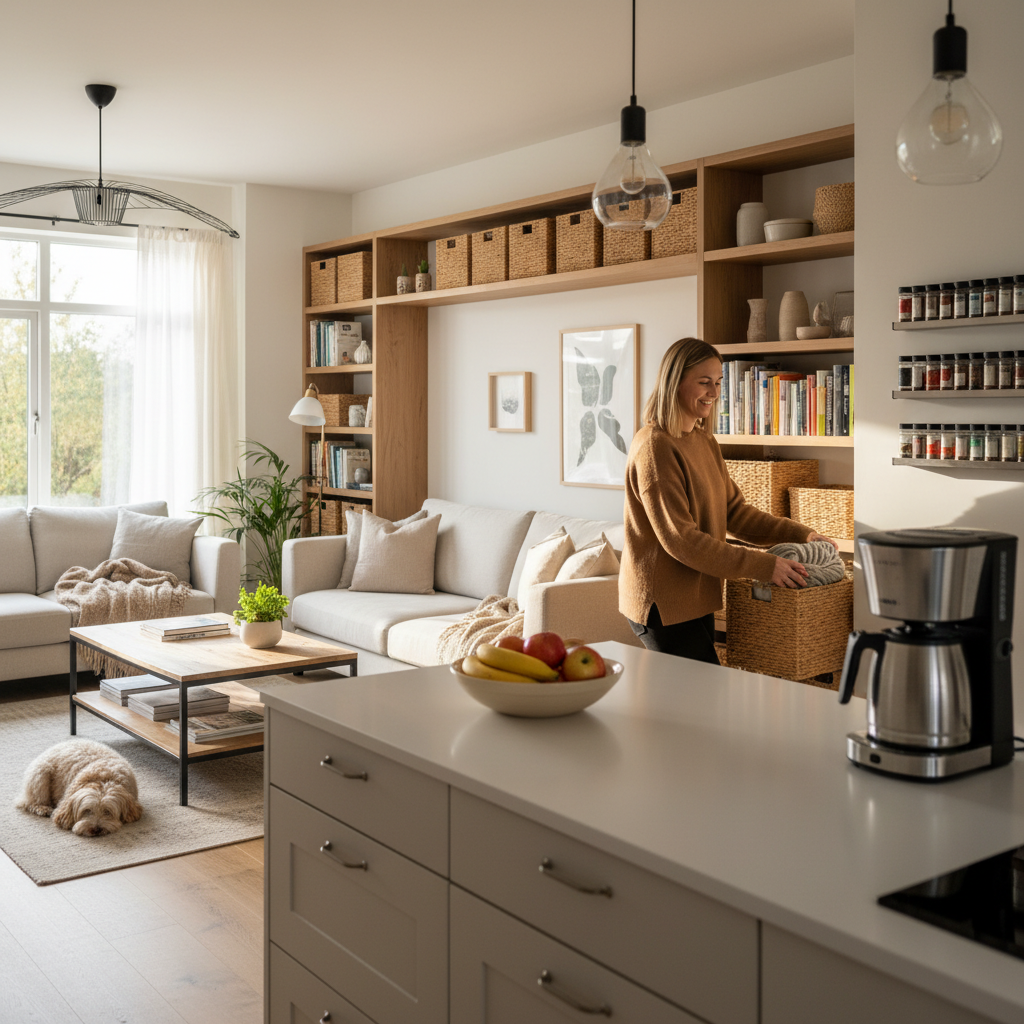
The Hidden Costs of a Disorganized Home
Let’s paint a picture. You’re late for work, frantically searching for your keys (again). You can’t find a matching pair of socks. The kitchen counter is a minefield of mail and clutter. This isn’t just about aesthetics. It’s about the accumulation of small inefficiencies that create a ripple effect throughout your day. These inefficiencies cost you:
- Time: Searching for lost items, re-doing tasks, and navigating clutter takes up precious minutes (or even hours) each week.
- Energy: Constant visual noise and the mental load of a disorganized space can be mentally draining.
- Stress: A cluttered home is linked to higher stress levels and feelings of overwhelm.
- Money: Forgotten bills, misplaced items that need to be replaced, and impulse purchases driven by a sense of chaos all contribute to financial waste.
The core problem? We often overlook the system-level aspects of our homes. We focus on the symptoms (the mess) without addressing the root causes (a lack of designated homes for items, poor routines, and a failure to declutter regularly).
The Wrong Habits That Keep You Trapped
Breaking free from a disorganized home requires identifying and correcting common, counterproductive habits. These are some of the most pervasive:
- The “I’ll deal with it later” mentality: Pushing tasks to the side leads to an avalanche of chores.
- Buying without a plan: Impulse purchases and a lack of storage solutions quickly create clutter.
- Holding onto things “just in case”: Clutter accumulates because we are unwilling to part with unused or unwanted items.
- Lack of routines: Without established routines for tidying, cleaning, and organizing, chaos takes over.
- Ignoring the entry zones: The entryways are usually the most visible parts of the home, which often become dumping grounds for anything and everything.
These habits are easily broken with a bit of conscious effort and a commitment to new systems.
Building Smart Systems: Simple Home Organization Improvements
The key to a truly organized home is not just cleaning; it’s creating systems that support efficiency and make organization effortless. Here’s how to implement simple, effective improvements:
Decluttering as a Lifestyle
Embrace the principle of “less is more.” Regularly decluttering is the cornerstone of any effective organization strategy. Start small and tackle one area at a time. The goal is to get rid of things that you don’t need, use, or love.
- The “One In, One Out” Rule: For every new item that enters your home, get rid of something similar.
- The 20/20 Rule: If you can replace an item in under 20 minutes for under $20, let it go.
- The Four-Box Method: Gather four boxes (Keep, Donate, Trash, Relocate) and sort items into the appropriate categories.
Creating Zones and Designated Spaces
Give every item a “home.” Identify specific zones in your home for different activities and purposes. This makes it easier to put things away and find them when you need them.
- Entryway: Create a drop zone for keys, mail, shoes, and bags.
- Kitchen: Arrange commonly used items within easy reach, and designate specific spots for food storage, utensils, and appliances.
- Living Room: Designate a spot for remote controls, books, and blankets.
- Home Office: Organize paperwork, stationery, and other materials in a way that promotes productivity.
Smart Storage Solutions
Maximize space and minimize clutter with smart storage solutions. It is about utilizing space in a smarter way.
- Vertical Storage: Use shelves, wall-mounted racks, and over-the-door organizers to utilize vertical space.
- Multi-functional Furniture: Invest in furniture with built-in storage, such as ottomans with hidden compartments or beds with drawers.
- Clear Containers and Labels: Use clear containers and label them clearly to easily identify the contents.
- Under-utilized Spaces: Remember the space under your bed or couch is another great spot for storing items.
Establish Daily and Weekly Routines
Consistency is key. Develop daily and weekly routines to maintain order and prevent clutter from building up.
- Daily: Make your bed, tidy up surfaces, and put away items after use.
- Weekly: Dedicate a few minutes to decluttering, cleaning, and organizing specific areas.
- Schedule Decluttering Sessions: Block out time each month or quarter for deeper decluttering efforts.
Digital Organization
In today’s digital world, paper clutter is a major source of disorganization. Reduce paper piles and improve efficiency by:
- Going Paperless: Digitize important documents, bills, and receipts.
- Creating Digital Filing Systems: Organize digital files using a clear and consistent folder structure.
- Using Cloud Storage: Store digital documents in cloud storage platforms such as Google Drive or Dropbox for easy access and backup.
Modern Lifestyle Relevance: Why This Matters More Than Ever
In the age of information overload, fast-paced lifestyles, and constant distractions (perhaps you’ve seen the article on The Quiet Hijack: How Phone Notifications Changed Our Days), a well-organized home is not just a luxury; it’s a necessity. It provides:
- Reduced Stress: A calm and organized environment lowers stress levels and improves mental well-being.
- Increased Productivity: Fewer distractions and easier access to belongings boost productivity.
- Improved Focus: A tidy space minimizes distractions and enhances concentration.
- More Free Time: Efficient systems save time on everyday tasks.
- Enhanced Mental Clarity: A clutter-free environment promotes clearer thinking and better decision-making.
These benefits contribute to a more balanced and fulfilling life. It is not about perfect; it is about progress.
Long-Term Peace and Convenience Benefits
The long-term benefits of an organized home extend far beyond immediate convenience. You’ll experience:
- A Sense of Control: Feeling in control of your environment translates to feeling in control of other areas of your life.
- A Calm and Welcoming Space: A well-organized home is more enjoyable to live in and more welcoming to guests.
- Reduced Arguments and Conflicts: Eliminating clutter and establishing clear routines can reduce arguments and improve household harmony.
- Financial Savings: Avoiding impulse purchases and finding items quickly leads to long-term financial benefits.
- A Sustainable Lifestyle: Decluttering and reducing consumption promotes a more sustainable lifestyle.
Frequently Asked Questions (FAQ)
1. Where do I start if my home is a complete mess?
Start small. Choose one area (a drawer, a shelf, or a small section of a room) and declutter it completely. Once you’ve completed this small project, the sense of accomplishment will encourage you to move on to the next one.
2. How often should I declutter?
Aim for a regular decluttering session, such as a quick 15-minute sweep each week, and a more thorough decluttering session each season. This frequency will depend on your lifestyle and how quickly clutter tends to accumulate.
3. What if I have trouble letting go of things?
Ask yourself these questions: Have I used this item in the last year? Does it serve a practical purpose? Does it bring me joy? If the answer is no to all of these questions, it’s likely time to let it go. Consider donating items to charity or selling them online.
4. How do I get my family on board with organizing?
Involve everyone in the process. Create routines together, and make organizing a family activity. Establish clear rules and expectations for putting things away, and reward positive behavior.
5. Is it possible to organize a home in a day?
While a complete overhaul in a single day is a challenge, it’s possible to make significant progress by focusing on the most visible areas and following a structured plan. Prioritize high-impact areas like the kitchen and entryway.
6. What are some of the best storage solutions?
The best storage solutions are those that work for your space and your lifestyle. Consider clear containers, vertical shelving, multi-functional furniture, and under-bed storage. Label everything clearly to make it easy to find what you need.
7. What are the benefits of living in an organized home?
An organized home leads to reduced stress and anxiety, increased productivity, better sleep, more free time, and improved overall mental and physical health.
8. Where can I find more tips for organizing?
You can find tips by visiting Josephs Well for more information. Also, there are numerous websites, books, and professional organizers available to guide you.
By implementing smart systems and making small changes, you can transform your home into a haven of efficiency, calm, and well-being. Start today, and experience the transformative power of a well-organized life.