The smell of burnt toast. It’s a familiar morning aroma, isn’t it? Well, not in my house anymore. Not since the smart toaster. Actually, it’s not the smart toaster’s fault, but rather my own forgetfulness. I’ve become so reliant on the app telling me the toast is ready, that I completely space on the smell! Technology, eh? It’s a bit of a double-edged sword, and that’s exactly what I want to talk about today.
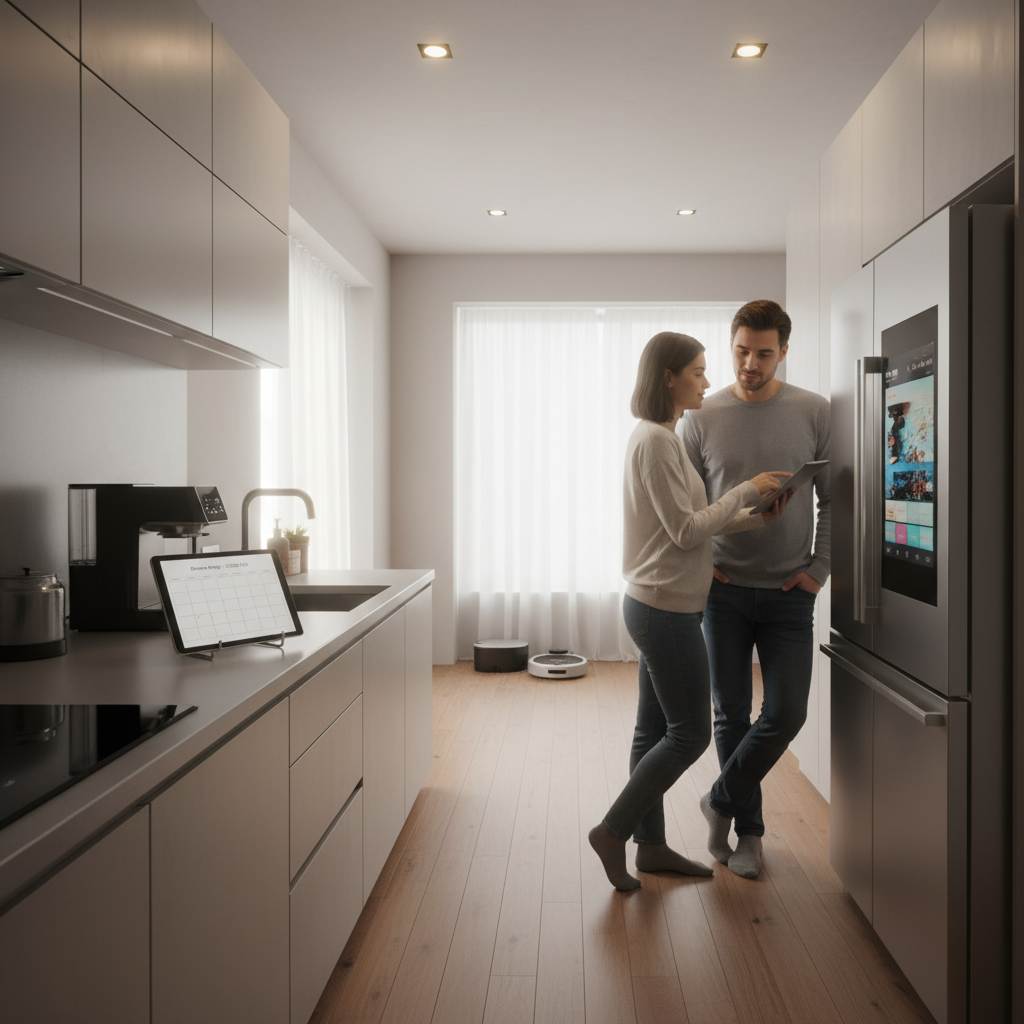
I’ve lived through the evolution of home tech, from the first microwave (remember those?) to the complex, interconnected world we have now. I’ve seen the good, the bad, and the slightly terrifying. And in 2026, smart appliances are more integrated than ever. Let’s dive in.
Why Smart Appliances? The Promise and the Reality
The pitch is always the same: convenience, efficiency, and a better life. Smart appliances promise to take the mundane tasks off your plate, save you money, and make your home a more pleasant place to be. And to be fair, they often deliver on that promise.
Consider the smart refrigerator. Mine has a camera inside so I can check what groceries I need while I’m at the store, and it’s great for meal planning. The washing machine? It sends me a notification when the laundry is done, so no more forgotten loads. The smart oven preheats on my way home from work. But is it all sunshine and roses? Not quite.
The Misunderstandings and the Misuses
One of the biggest misunderstandings about smart appliances is that they are “set it and forget it.” Many people assume that once they’re installed, they’ll run flawlessly forever. The reality is that these devices require some upkeep. They need to be connected to Wi-Fi, software updates are essential, and sometimes, you’ll need to troubleshoot a bit.
Then there’s the misuse. It’s tempting to cram every gadget into your home, but sometimes, simple is better. Do you really need a smart coffee maker that you can control from your bed? Maybe. But maybe you’re just adding another potential point of failure. Also, it’s important to understand the capabilities and limitations of your smart appliances. For instance, relying too heavily on automated settings can lead to inefficiency or even unexpected results. For example, some smart ovens can adjust cooking times automatically, but they may not always account for the unique characteristics of your food or your personal preferences.
Common Long-Term Problems
Okay, let’s get real. Smart appliances aren’t perfect. Here are some problems you might encounter down the line:
- Connectivity issues: Wi-Fi is your lifeline, and any interruption can render your smart devices useless. A weak signal or a router hiccup can throw everything off.
- Software glitches: Like any tech, these appliances can have bugs or compatibility issues. Regular updates are crucial, but even then, problems can arise.
- Security vulnerabilities: Smart appliances are connected to the internet, which means they can be vulnerable to hacking. Always use strong passwords and keep your software updated.
- Longevity concerns: The technology in a smart appliance may become outdated before the appliance itself wears out. That fancy fridge with the touchscreen might be working fine in terms of cooling, but the smart features could stop getting updates within a few years.
- Cost of Repairs: Smart appliances can be more expensive to repair than their traditional counterparts, especially if they are out of warranty.
Smart Usage and Maintenance Habits (The Real Secret)
So, how do you make the most of your smart appliances and avoid the pitfalls? Here are some tried-and-true habits:
- Keep it Clean: This is basic, but important. Clean your appliances regularly. For example, clean the coils of your refrigerator annually to ensure it runs efficiently.
- Software Updates: Make sure to install updates. Check the appliance settings or app to ensure your software is up to date.
- Check Seals and Gaskets: Check the seals on your refrigerator and freezer doors regularly. This helps maintain efficiency.
- Maintain Good Wi-Fi: Make sure your appliances have a strong, consistent Wi-Fi signal.
- Read the Manual: Seriously. Understand how your appliances work and what their limitations are.
- Don’t Over-Rely: Don’t let your smart appliances control your life. Use the features that genuinely make your life easier, and don’t worry about the rest.
- Be Proactive: Pay attention to any notifications or alerts your appliances send you. Address issues promptly.
- Consider a Smart Home Hub: For those with multiple smart appliances, a smart home hub can help integrate and manage your devices more efficiently.
Relevance in 2026: What’s New and What Matters
In 2026, the trend is more seamless integration and personalized experiences. We’re seeing more appliances that can communicate with each other, controlled by a single interface. The focus is on making technology invisible – making your life easier without you having to think about it. The future also includes AI-powered appliances that learn your preferences and adapt to your needs.
Energy efficiency is also a major focus. With the rising cost of energy, smart appliances are designed to optimize energy usage. This includes features like smart thermostats that adjust based on usage and preferences, helping you save on utility bills.
Future-Proof Advice: What Actually Matters
So, what should you keep in mind to future-proof your smart home?
- Focus on Reliability: Prioritize appliances from reputable brands known for quality and reliability.
- Look for Interoperability: Choose appliances that are compatible with the major smart home platforms (like Matter), so you’re not locked into a single ecosystem.
- Think Long-Term: Consider the lifespan of the appliance. Will the smart features still be supported in five or ten years?
- Keep it Simple: Don’t overcomplicate your setup. A few well-chosen smart appliances are better than a house full of gadgets you don’t use.
- Prioritize Security: Protect your smart home network with strong passwords, firewalls, and regular security updates.
Remember, the goal is to make your life easier, not more complicated.
FAQ: Your Smart Appliance Questions Answered
Let’s address some common questions:
- Are smart appliances worth the extra cost?
- How often should I update the software on my smart appliances?
- How can I protect my smart appliances from being hacked?
- What do I do if my smart appliance stops working?
- Are there any smart appliances I should avoid?
- How do I choose the right smart appliance?
- What is the future of smart appliances?
It depends. If you value convenience, efficiency, and the ability to remotely control your appliances, then yes. But carefully consider your needs and budget before buying.
As soon as updates are available, generally. Most appliances have automatic update options. If not, check for updates at least monthly.
Use strong, unique passwords for all your devices and your Wi-Fi network. Keep the software updated. Consider using a separate Wi-Fi network for your smart appliances, and disable remote access if you don’t need it.
First, check the basics: power, Wi-Fi, and any error messages. Consult the manual or the manufacturer’s website. If you’re still stuck, contact the manufacturer’s support or a qualified technician.
That depends on your needs. For example, some users say that smart washing machines rarely justify their higher price. Smart fridges, while appealing, may have features that can become obsolete before the appliance itself wears out.
Research the features, read reviews, and compare prices. Make sure the appliance is compatible with your existing smart home setup. Look for models from reputable brands with good customer support.
More seamless integration, AI-powered features, and greater energy efficiency. We’re likely to see appliances that anticipate your needs and learn from your behavior.
Smart homes and smart spending can go hand in hand. If you’re interested in making your appliances work for you and saving money, check out Smart Homes and Smart Spending: How to Make Your Appliances Work for You (and Save Money!). It offers more details on how you can use the connected home to your advantage.
In the end, it’s about making informed choices. Smart appliances can be a great addition to your home, but it’s important to understand the technology and use it wisely. With a little planning and maintenance, you can enjoy the benefits of a connected home without the headaches. For more insights on home tech, browse through Josephs Well.