Life moves at a relentless pace. Every day, we navigate a maze of tasks, responsibilities, and commitments. In this whirlwind, it’s easy to overlook the small, seemingly insignificant aspects of our homes that quietly impact our safety, efficiency, and overall well-being. This article delves into everyday scenarios and provides practical solutions to optimize your living space for long-term peace and convenience.
The Morning Rush: A Case Study in Inefficiency
Consider the typical weekday morning. The alarm blares, and the race begins. You stumble out of bed, groggy, and the day’s momentum starts. Let’s analyze how seemingly minor inefficiencies can compound to create a stressful and chaotic experience:
- The misplaced keys: You frantically search for your car keys, wasting precious minutes.
- The overflowing inbox: You quickly glance at emails. A few urgent ones grab your attention, distracting you from your schedule.
- The breakfast scramble: You rush to prepare breakfast, burning toast and wasting time cleaning up spills.
These small hiccups add up. These daily inefficiencies not only cost you time but also contribute to stress, which can affect your physical and mental health. They represent the exact issues that smart-living principles aim to resolve.
The Unseen Risks and Overlooked Hazards
Beyond the daily chaos, our homes can harbor unseen dangers. Here are a few examples:
- Trip hazards: Loose rugs, electrical cords, and clutter can lead to falls, especially for the elderly or those with mobility issues.
- Electrical hazards: Frayed cords, overloaded outlets, and outdated wiring pose fire and electrocution risks.
- Fire hazards: Malfunctioning appliances, improper storage of flammable materials, and unattended cooking can quickly turn into disasters.
People often overlook these hazards because they become accustomed to them. This is where a proactive approach to safety and efficiency becomes essential. Simple changes can significantly reduce these risks.
Common Wrong Habits: The Culprits Behind the Chaos
Identifying bad habits is the first step toward improvement. Consider these common pitfalls:
- Procrastination: Putting off tasks like decluttering or maintenance creates a backlog of chores.
- Lack of organization: A disorganized home makes it harder to find what you need, wasting valuable time.
- Ignoring maintenance: Skipping routine checks on appliances, smoke detectors, and other systems can lead to costly repairs or dangerous situations.
- Distraction: The time spent scrolling through social media or aimlessly browsing the web slowly drains your time and productivity.
Breaking these habits is crucial to building a safer, more efficient home. Recognize the habits and work toward making simple changes to enhance your daily routine.
Building a Smarter Home: System-Level Improvements for a Streamlined Life
Implementing system-level improvements can dramatically change your living experience. The following are some easy strategies:
- Safety First:
- Install smoke detectors: Install smoke detectors on every level of your home and in each bedroom. Test them monthly and change the batteries annually.
- Carbon monoxide detectors: Install carbon monoxide detectors near sleeping areas and on every level of your home with fuel-burning appliances.
- Secure windows and doors: Install window locks and reinforce door frames to prevent break-ins.
- Time and Energy Efficiency:
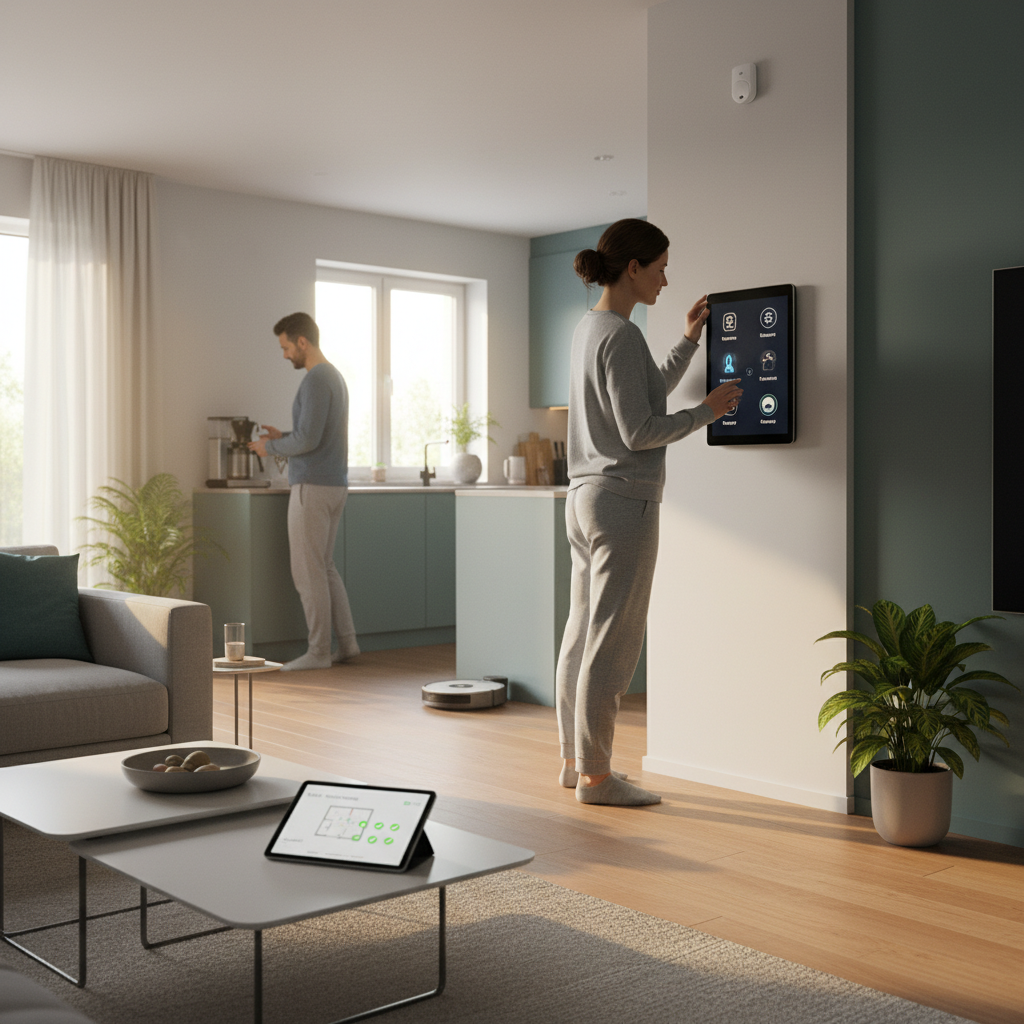
- Smart Home Automation: Consider installing smart home systems to automate tasks like lighting, temperature control, and security.
- Meal prepping: Plan your meals and prep ingredients ahead of time to save time during the week.
- Energy-efficient appliances: Replace old appliances with ENERGY STAR-rated models to reduce energy consumption and lower utility bills.
- Daily Routines:
- Morning Routine Optimization: Prepare clothes, pack lunches, and organize backpacks the night before to streamline your morning.
- Declutter Regularly: Dedicate a few minutes each day to decluttering high-traffic areas.
- Create a Digital Calendar: Use a shared digital calendar to manage family schedules and appointments.
These improvements will not only enhance your daily life but also provide long-term benefits.
The Modern Lifestyle: Relevance of Smart Living Today
In today’s fast-paced world, smart living is more relevant than ever. Modern technology provides tools to streamline our lives, protect our homes, and conserve resources.
- Smart home technology: Smart home devices offer the possibility to automate tasks, such as adjusting the thermostat or turning off lights remotely.
- Remote work and flexibility: With more people working from home, it’s essential to create an efficient and safe home environment.
- Environmental concerns: Smart living promotes energy efficiency, reducing our carbon footprint and creating a sustainable future.
Long-Term Peace and Convenience: The Rewards of Smart Living
The benefits of smart living extend beyond the immediate. Here’s what you can expect:
- Reduced Stress: Efficient routines and automated tasks free up time and reduce stress levels.
- Increased Safety: A safer home provides peace of mind and protects your loved ones.
- Financial Savings: Energy-efficient habits and smart technology can help you save money on utility bills.
- Enhanced Quality of Life: A well-organized and efficient home makes your life more enjoyable and allows you to focus on what matters most.
FAQ: Addressing Common Concerns
Here are some frequently asked questions about smart living:
- Is smart home technology expensive?
While high-end systems can be pricey, many affordable options are available, like smart plugs and LED bulbs. Over time, the energy savings can offset the initial investment.
- How do I get started with smart home technology?
Begin with one area, like lighting or security, and gradually expand. Research various smart home devices and choose those that fit your needs and budget.
- How can I make my home safer for children?
Childproof your home by installing outlet covers, safety gates, and cabinet locks. Keep hazardous items out of reach, and supervise children closely.
- What are some easy ways to save energy at home?
Switch to LED light bulbs, unplug electronics when not in use, and use a programmable thermostat.
- How often should I test my smoke detectors?
Test smoke detectors monthly and change the batteries annually or as needed.
- How do I create an efficient morning routine?
Prepare as much as possible the night before, including clothes, lunches, and backpacks. Set a consistent wake-up time, and incorporate a few minutes of self-care.
- What are the benefits of meal prepping?
Meal prepping saves time, reduces stress, and promotes healthy eating habits by providing ready-to-go meals during the week.
- How can I make my home more accessible for seniors?
Install grab bars in the bathroom, remove tripping hazards, and ensure good lighting throughout the home.
Conclusion: Embracing a Smarter, Safer, and More Efficient Home
Smart living is not about expensive gadgets or complex systems. It’s about making mindful choices, establishing efficient routines, and creating a home that supports your well-being. By focusing on safety, efficiency, and simple systems, you can transform your living space into a haven of peace, convenience, and sustainability. Embrace the principles of smart living and embark on a journey towards a more harmonious and fulfilling life. To get started, consider exploring resources such as Josephs Well for further guidance and inspiration.