Let’s paint a picture: It’s Tuesday evening. You’re finally settling down after a long day. Suddenly, you remember the laundry. That overflowing hamper has been staring you down all week, hasn’t it? You drag yourself, sighing, to the laundry room, already anticipating the mountain of sorting, washing, drying, folding, and putting away. Sound familiar? This scenario, played out weekly in millions of homes, is ripe with hidden inefficiencies and missed opportunities for smart living.
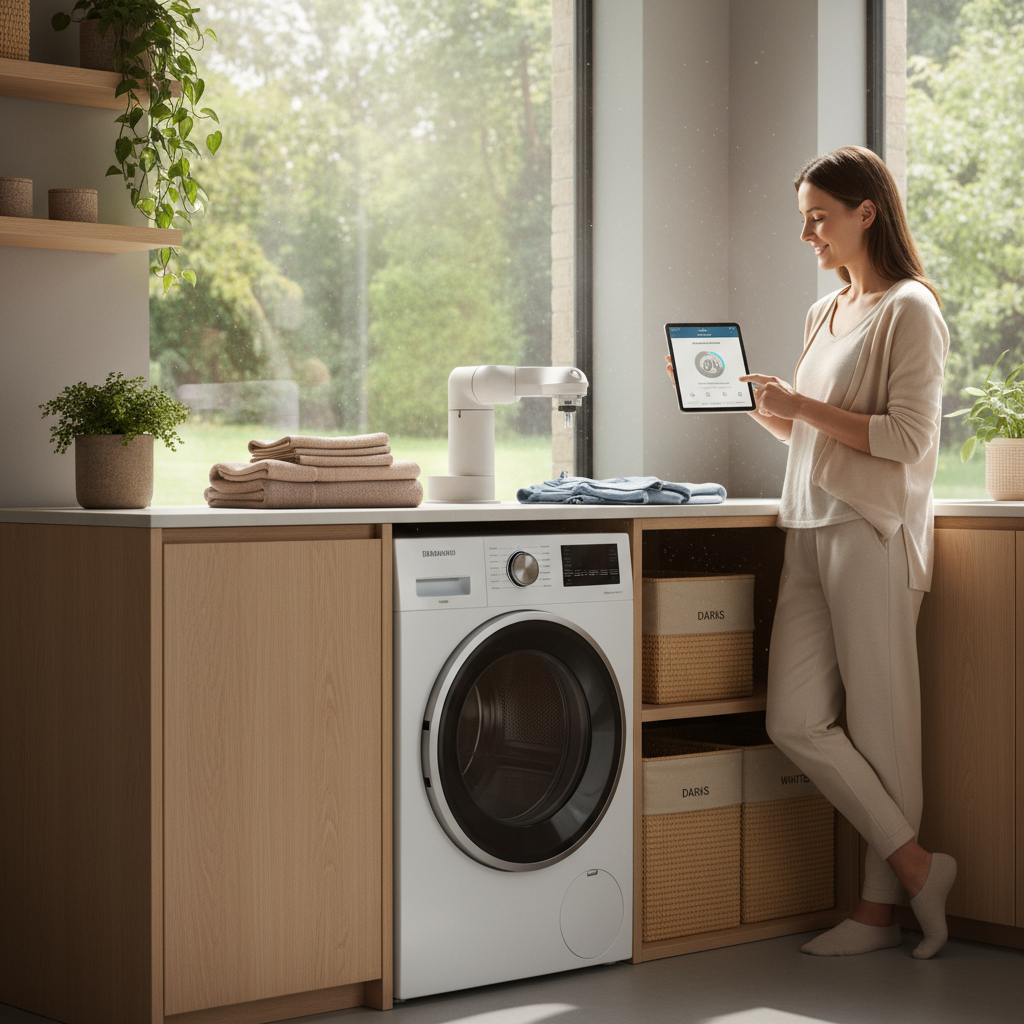
The Overlooked Routine: Laundry’s Impact on Your Week
Laundry, often relegated to the status of a chore, is actually a complex, multi-step process that silently eats into our time and energy. It’s not just the act of washing clothes; it’s the entire cycle, from gathering dirty clothes to putting away clean ones. We rarely pause to consider how much time we spend on it, or how those minutes and hours could be better spent. This seemingly small task is a perfect example of how small changes can lead to significant improvements in our daily lives.
The Inefficiency Avalanche: How Laundry Habits Drain You
Most of us approach laundry with habits learned over time, often without questioning their efficiency. Let’s break down some common pitfalls:
- The “Wait ‘Til It’s Full” Trap: Waiting until the hamper is overflowing leads to more significant, more time-consuming laundry loads. It also means you’re often dealing with more wrinkled or stale clothes.
- Sorting Struggles: The dreaded sorting process, a significant time sink, is often done haphazardly. We separate lights and darks, but how often do we consider fabric type, washing instructions, and special care needs?
- Overloading the Washer & Dryer: Overloading leads to inefficient cleaning and drying, requiring more cycles and energy. This is a subtle energy thief.
- The Drying Dilemma: Over-drying damages clothes and wastes energy. Guessing drying times is a gamble, leading to stiff, shrunk, or still-damp garments.
- Folding Fiascos: The folding pile, the bane of many households, can quickly become a disorganized mess, leading to a frustrating search for matching socks or a wrinkle-free shirt.
- The Put-Away Problem: The final step, putting away clean clothes, is often neglected, leading to piles of clothes on chairs, beds, and floors. This constant visual clutter adds to stress and reduces the sense of order in the home.
Risks and Inefficiencies: Beyond the Time Suck
Inefficient laundry habits extend beyond wasted time. They can also impact the lifespan of your clothing, increase your energy bills, and even create a less healthy home environment.
- Clothing Damage: Improper washing and drying techniques can damage fabrics, leading to premature wear and tear. Harsh detergents, high heat, and overcrowding can all contribute to this problem.
- Increased Energy Bills: Inefficient machines and habits (like running half-empty loads or over-drying) can significantly increase your energy consumption. Over time, these costs add up.
- Health Concerns: Damp clothes can harbor mold and mildew, potentially triggering allergies or respiratory issues. Improperly cleaned clothes can also transfer bacteria and allergens.
- Stress and Clutter: A disorganized laundry routine contributes to a cluttered home, which is linked to increased stress levels. The constant feeling of unfinished tasks can be mentally draining.
Common Wrong Habits: The Laundry Edition
Many of us unknowingly perpetuate inefficient laundry habits. Here are some of the most common:
- Ignoring Care Labels: Failing to read and follow care labels is a surefire way to damage clothes and waste money. These labels provide crucial information on washing temperatures, drying methods, and fabric-specific instructions.
- Using Too Much Detergent: Using excessive detergent doesn’t necessarily mean cleaner clothes. In fact, it can lead to residue buildup on clothes and in your machine, reducing its efficiency.
- Washing Everything in Hot Water: Hot water can shrink, fade, and damage certain fabrics. Using cold water for the majority of your loads is often sufficient and more energy-efficient.
- Neglecting Machine Maintenance: Failing to clean your washing machine and dryer regularly can lead to reduced efficiency and potential problems. This includes cleaning the lint trap after every drying cycle, and periodically cleaning your washing machine with a washing machine cleaner.
- Procrastinating: Putting off laundry only exacerbates the problem, leading to larger, more time-consuming loads.
A Simple System: Streamlining Your Laundry Workflow
The key to a more efficient laundry routine is to create a simple, system-level approach. Here’s how to do it:
- Establish a Consistent Routine: Instead of waiting for a mountain of laundry, aim to do a load or two each week. This prevents the backlog and keeps the process manageable. Consider laundry day, or break it up into smaller tasks throughout the week.
- Sort Strategically: Implement a clear sorting system. This could involve multiple hampers (whites, lights, darks, delicates) or dividing the laundry room into distinct zones for different types of clothing.
- Optimize Your Washing Machine: Familiarize yourself with your washing machine’s settings and understand their purpose. Use cold water for the majority of your loads and use the correct amount of detergent. Regularly clean your washing machine.
- Master the Dryer: Use the appropriate drying settings for your clothes. Consider using dryer balls to reduce drying time and soften clothes. Clean the lint trap after every load.
- Fold and Put Away Immediately: Make it a priority to fold and put away clothes as soon as they are dry. Designate a specific time each week for this task, such as after the last load is dried.
- Simplify and Declutter: Keep your laundry area organized and clutter-free. This makes the entire process more pleasant and efficient. Consider investing in storage solutions, such as shelving, baskets, and hampers, to keep everything in its place.
Modern Lifestyle Relevance: Laundry in the Age of Efficiency
In today’s fast-paced world, time is a precious commodity. A streamlined laundry routine can free up significant time and energy, allowing you to focus on more important things. Whether you’re a busy professional, a parent juggling multiple responsibilities, or simply someone who values their free time, an efficient laundry system is essential for a stress-free lifestyle.
Moreover, the rise of smart home technology offers new opportunities to further optimize your laundry routine. Smart washing machines and dryers can connect to your home’s Wi-Fi network, allowing you to monitor cycles, receive notifications, and even control your appliances remotely. Consider the benefits of starting a load of laundry while you’re still at work, so it’s ready to be transferred to the dryer when you get home.
Long-Term Peace and Convenience: The Payoff of Smart Laundry
The benefits of a smart laundry routine extend far beyond saving time. Here’s what you can expect:
- Reduced Stress: A streamlined system eliminates the feeling of being overwhelmed by laundry. The tasks become more manageable, and the sense of order brings a sense of calm.
- Increased Free Time: By eliminating wasted time, you gain more hours to pursue your hobbies, spend time with loved ones, or simply relax.
- Improved Clothing Care: Proper washing and drying techniques protect your clothing, extending its lifespan and saving you money in the long run.
- Lower Energy Bills: Efficient use of your appliances and energy-saving practices result in reduced utility costs.
- A Healthier Home: A clean and organized laundry area promotes a healthier living environment.
The ultimate reward of smart laundry is peace of mind. Knowing that your laundry is under control, and that you’re operating efficiently, allows you to focus on what truly matters in your life.
FAQ: Your Laundry Questions Answered
How often should I clean my washing machine?
It’s recommended to clean your washing machine monthly, or more frequently if you do a lot of laundry. Run a cleaning cycle with a washing machine cleaner or a mixture of vinegar and baking soda.
What’s the best way to sort laundry?
Sort your laundry by color (whites, lights, darks), fabric type (delicates, towels, jeans), and washing instructions. Separate items that require special care or have unique needs.
How can I prevent clothes from shrinking in the dryer?
Always check the care label for drying instructions. Air dry or use a low heat setting for delicate fabrics. Avoid over-drying, and remove clothes from the dryer as soon as they are dry.
How much detergent should I use?
Use the amount of detergent recommended on the detergent packaging. Too much detergent can leave residue on your clothes and in your washing machine. High-efficiency (HE) machines require less detergent than standard machines.
What are the benefits of using dryer balls?
Dryer balls reduce drying time, soften clothes, and reduce static cling. They also help to separate clothes, allowing for better air circulation.
How can I make folding laundry less tedious?
Fold clothes immediately after drying to prevent wrinkles. Designate a specific folding area and invest in storage solutions to keep everything organized. Listen to music or a podcast while folding to make the task more enjoyable.
How can I reduce my energy consumption when doing laundry?
Wash full loads whenever possible. Use cold water for the majority of your loads. Clean your lint trap after every drying cycle. Avoid over-drying, and consider using energy-efficient appliances.
Are smart appliances worth the investment?
Smart appliances can offer added convenience and efficiency, such as remote control and cycle monitoring. However, the value depends on your personal preferences and needs. If you want to dive deeper, you can also read about smart technology, like the Smart TVs in 2026: What You Need to Know Before You Buy article.
For more home tips, visit Josephs Well.