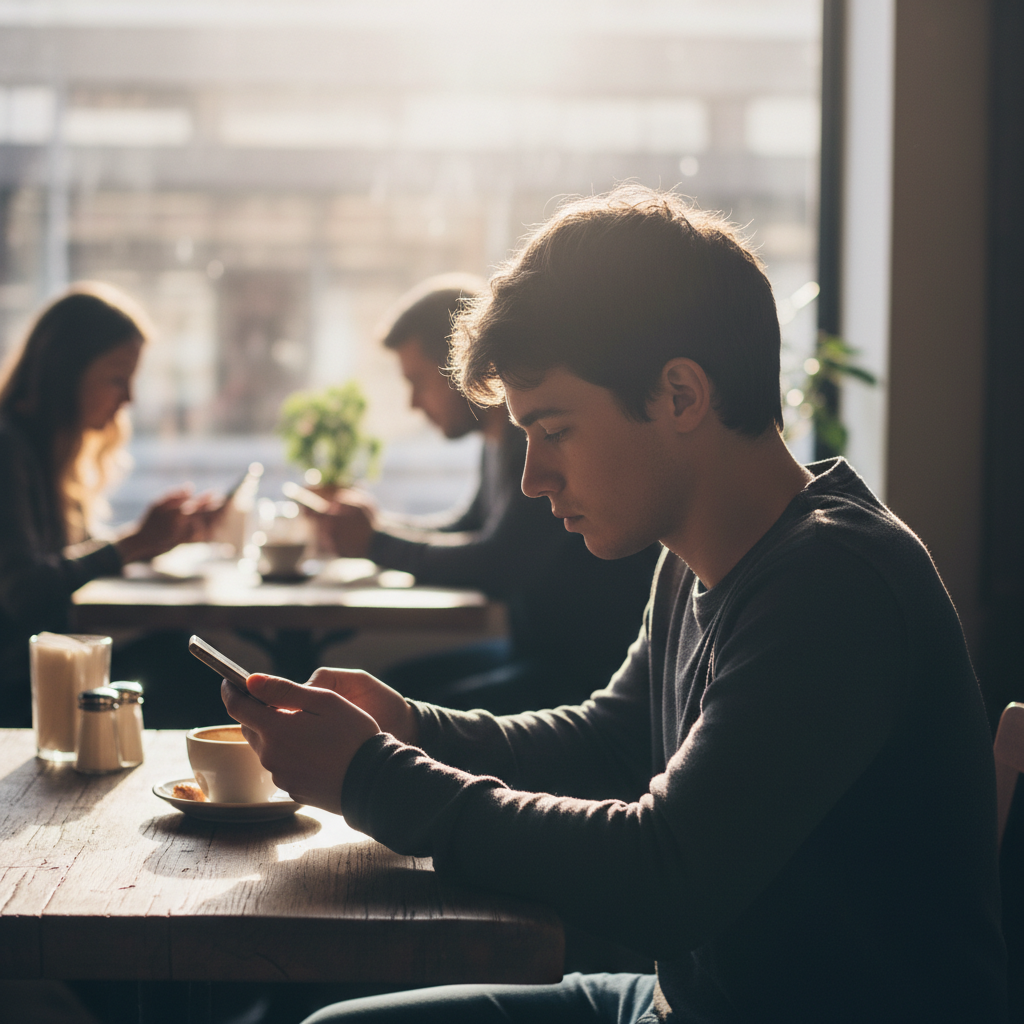
It’s a Tuesday morning. The year is 2026. You wake up, and before your eyes even fully open, your hand reaches for your phone. A quick check of emails, news, maybe a scroll through social media. This is the new normal. It’s a moment so ingrained in our daily routines that we barely question it. But why is this the case? And what is it doing to us?
The Rise of the Always-On Habit
The always-on habit, that constant checking of our phones, has become deeply woven into our lives. Back in the early days of smartphones, it was a novelty, a cool way to check emails on the go. Now, with more than 4.69 billion smartphone users worldwide, our phones have become essential. They are our communication hubs, our entertainment centers, and our information portals. Smartphones have revolutionized the way we communicate and have boosted our productivity.
It is important to remember the early 2000s when the introduction of smartphones changed the mobile phone landscape dramatically. The introduction of the first iPhone in 2007, with its large touch screen, intuitive interface, and access to the internet, apps, and multimedia, redefined what a mobile phone could do.
This shift happened gradually. First came the notifications, the buzzes and dings that signaled new messages, likes, and breaking news. Then came the apps, each vying for our attention. Social media, news aggregators, and games designed to keep us engaged, leading to the situation we find ourselves in today. This digital behavior is not just a habit, but an addiction affecting the majority of the population. Studies show that many people now experience anxiety when separated from their phones.
Why It Became Normal
Several factors converged to make constant phone checking the norm.
* **Convenience:** Smartphones offer unparalleled convenience. Information, communication, and entertainment are all readily available in one pocket-sized device.
* **Social Pressure:** Social media platforms encourage constant connection. The fear of missing out (FOMO) keeps us checking our phones, ensuring that we never miss any information.
* **Design:** App developers use behavioral psychology to design products that are addictive. These apps are designed to keep people engaged.
Hidden Effects on Focus, Time, and Routines
The constant accessibility of our phones comes with a cost. The ability of people to sustain attention has been negatively affected by the rapid and frequent stimulus provided by social networks.
* **Diminished Focus:** Constant notifications and the temptation to check our phones disrupt our ability to concentrate. Research shows that attention spans have decreased significantly in recent years. The average attention span on any screen was two and a half minutes in 2004, but in the last five or six years, the average attention span is about 47 seconds.
* **Time Fragmentation:** Our days are sliced into smaller and smaller chunks of time. Instead of dedicating blocks of time to important tasks, we are constantly multitasking, switching between different apps and activities.
* **Disrupted Routines:** Phone usage can disrupt our sleep, work, and relationships. It can affect our mental health, which leads to depression, anxiety, and severe isolation.
Common Mistakes People Repeat
Even if you know this is not an ideal behavior, it is still hard to change. Many people find themselves trapped in a cycle of constant phone checking, repeating these common mistakes:
* **Ignoring Notifications:** Turning off notifications on all but the most essential apps.
* **Reaching for the Phone First Thing:** This sets the tone for a day of distraction. Try not looking at your phone for an hour or two after you wake up, or even at all.
* **Multitasking:** While the phone allows us to do several things at once, multitasking often leads to poor results. It is better to focus on a single task.
Simple, Realistic Habit Shifts
Changing this habit doesn’t require a complete digital detox. A few simple shifts can have a significant impact:
* **Designated Phone-Free Zones:** Set specific times and places where phones are not allowed, like the dinner table or the bedroom.
* **Scheduled Phone Checks:** Instead of checking constantly, schedule specific times to check your phone.
* **Mindful Use:** Before picking up your phone, ask yourself what you hope to achieve.
Modern Relevance (2026 Apps & Devices)
Technology is evolving. Smartwatches, augmented reality (AR) glasses, and virtual reality (VR) headsets are becoming more sophisticated. The question is, how will this affect our habits?
* **Wearables:** Smartwatches can further blur the lines between our digital and physical worlds. While they offer convenience, they can also contribute to constant connectivity.
* **AR/VR:** With AR/VR, the digital world will be even more immersive. This could lead to a further blurring of boundaries.
FAQ
Here are some common questions about phone usage:
**1. How much time do people spend on their phones?**
In 2026, Americans spend an average of 4 hours and 30 minutes on their phones each day. However, this number will rise to 4 hours and 39 minutes by the end of 2025.
**2. Is excessive phone use bad for you?**
Yes, excessive phone use has been linked to decreased attention spans, increased anxiety, and disrupted sleep patterns.
**3. How can I reduce my phone usage?**
Start with small steps like turning off notifications, setting designated phone-free times, and being mindful of your phone use. Several apps can help with this.
**4. Are there apps that can help me manage my screen time?**
Yes, there are many screen time management apps available for both iOS and Android. Some popular choices include Freedom, Forest, and One Sec. For free social media blocking, your device’s built-in tools are often the most effective.
**5. How does phone usage affect my attention span?**
Constant notifications and the temptation to check your phone can disrupt your ability to concentrate. Studies show that attention spans have decreased significantly in recent years.
**6. What are the best apps to reduce screen time in 2026?**
Some of the best apps to reduce screen time include Freedom, Forest, One Sec, Apple Screen Time, and Digital Wellbeing.
**7. How has smartphone usage changed over time?**
Smartphones have evolved from simple communication tools to essential devices that shape every aspect of our lives. Between 2015 and 2022, the number of people using their smartphones for several common tasks increased drastically.
**8. Is it possible to go more than 24 hours without my phone?**
53% of people say they have never gone more than 24 hours without their phone.
Conclusion
In 2026, the phone is more than just a device. It is an extension of ourselves, an omnipresent companion. It is up to you to regain control over your attention, time, and well-being. By being mindful of your habits and making a few simple changes, you can create a healthier relationship with your phone.