Remember when “smart lighting” meant screwing in a fancy new bulb and maybe, just maybe, connecting it to an app? Those days are fading fast. In 2026, smart lighting is transforming from a novelty to a cornerstone of a truly smart home, and it’s about much more than just changing colors or turning lights on with your voice. It’s about creating a living space that anticipates your needs, conserves energy, and seamlessly integrates with the rhythm of your life.
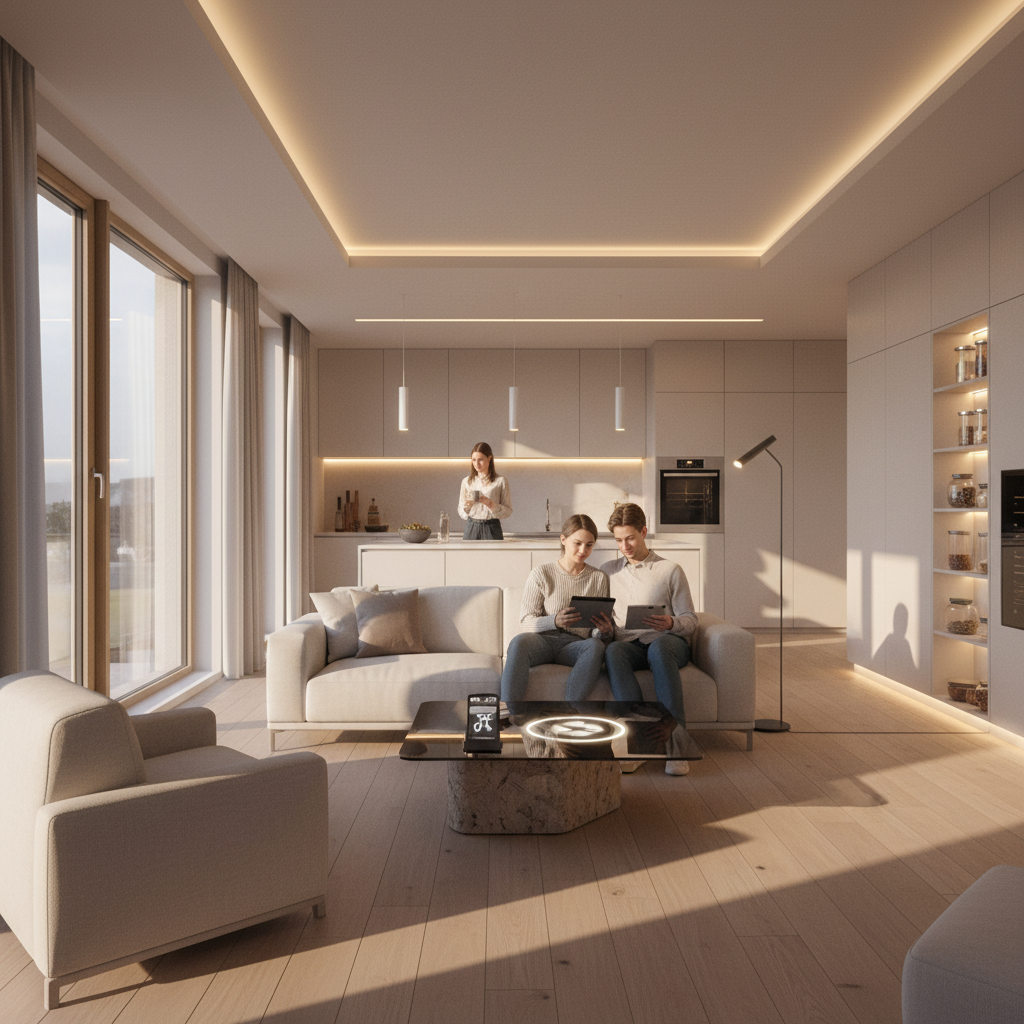
The Evolution of Light: From Simple Control to Intelligent Systems
The earliest smart lights were a revolution, allowing you to control your home’s ambiance from your phone. You could dim the lights for movie night or switch them off from bed. But they often came with a clunky interface, spotty Wi-Fi connections, and a lot of troubleshooting. As The Quiet Hijack: How Phone Notifications Changed Our Days details, even simple technology can become a burden. Smart lighting faced similar hurdles, and many people found the “smart” aspect more trouble than it was worth.
Fast forward to 2026, and the game has changed. What was once a collection of individual bulbs and switches is becoming a sophisticated, integrated system. The focus is shifting from simple remote control to intelligent automation. We’re seeing:
- Improved Interoperability: Thanks to standards like Matter, devices from different brands are playing nicely together. This means fewer headaches and a more cohesive smart home experience.
- Local Processing: Instead of relying solely on the cloud, many smart lighting systems now process information locally, leading to faster response times and improved reliability. This also enhances privacy.
- Advanced Sensors: Smart lighting is now paired with sophisticated sensors that can detect presence, ambient light, and even the number of people in a room.
The Misconceptions and Missed Opportunities of Smart Lighting
Despite these advancements, many homeowners still misunderstand or misuse smart lighting. Let’s look at the common pitfalls:
- Overcomplicating the Setup: The initial appeal of smart home tech can lead to overzealous installations. It’s tempting to automate *everything*, but a simpler, more focused approach is often better.
- Ignoring the “Smart” in Smart Lighting: Some people use smart bulbs simply for remote control, missing out on the energy-saving and convenience benefits of automation.
- Poor Bulb Choices: Not all smart bulbs are created equal. Buying cheap, unreliable bulbs can lead to frequent replacements and a frustrating experience.
- Forgetting About Maintenance: Like any technology, smart lighting requires occasional attention. Software updates, hub maintenance, and even the occasional bulb replacement are necessary for optimal performance.
Smart Habits for the 2026 Home
To get the most out of your smart lighting in 2026, adopt these smart habits:
- Start Small and Scale Up: Begin with a few key areas, like the living room or bedroom. Then, expand your system as you become more comfortable.
- Focus on Automation: Set up routines that automatically adjust your lights based on time of day, occupancy, or even the weather. Consider using presence sensors.
- Prioritize Energy Efficiency: Choose LED smart bulbs. Use dimming features to reduce energy consumption.
- Consider a Smart Hub: A central hub can integrate all your smart devices and automate a more streamlined experience.
- Embrace the “Set it and Forget it” Approach: The best smart home is one that works seamlessly in the background.
The Future-Ready Home: What Actually Matters
In 2026, future-proofing your smart lighting system means focusing on the fundamentals:
- Compatibility: Look for devices that support Matter or other open standards. This will ensure your system remains compatible as technology evolves.
- Reliability: Choose reputable brands with a track record of providing reliable products.
- Local Control: Prioritize systems that can function even if your internet connection goes down.
- Energy Efficiency: Always choose LED bulbs, and consider systems that offer detailed energy monitoring.
- Privacy: Be mindful of data privacy, and select devices from brands that prioritize security.
The smart home market is expected to reach $1.4 trillion by 2034. The advancements in smart home technology are reshaping the industry, creating a surge of innovation. You can explore more on Josephs Well for staying current with home technology advancements.
FAQ: Your Smart Lighting Questions Answered
1. Is smart lighting worth the investment in 2026?
Absolutely, *if* you approach it strategically. The key is to focus on automation, energy efficiency, and a seamless user experience. With the right setup, smart lighting can significantly improve your quality of life and potentially save you money.
2. Which smart lighting system is best for beginners?
Start with a simple setup like the Amazon Echo Dot (for voice control) and smart plugs to automate existing lamps. Wyze Smart Bulbs are also a budget-friendly option.
3. How much energy can I really save with smart lighting?
Smart lighting can reduce your lighting costs by 35% to 70%. The savings come from using energy-efficient LED bulbs and intelligent control features like motion sensors and dimming.
4. Will smart lighting work if my internet goes down?
Some functions, like basic on/off control, may still work. However, advanced automation and remote control typically require an internet connection. Look for systems that prioritize local processing.
5. Are there any privacy concerns with smart lighting?
Yes, as with any connected device. Choose reputable brands, review privacy policies, and be mindful of data collection practices. Consider using a smart hub, which can sometimes provide more control over data privacy.
6. What are some of the common problems with smart lighting?
Early smart lighting systems suffered from connectivity issues, software bugs, and a lack of interoperability. While these problems are less common in 2026, poor product choices or overcomplicated setups can still lead to frustration.
7. What are some of the new smart home gadgets that are changing the game?
At CES 2026, there was a focus on the hands-free entry with UWB smart locks, and the rise of “private security guard”: local AI camera boxes processing footage on-site. Also, robot mowers that are smarter and way more wire-free, and mmWave presence sensing that detects you even when you’re still.