Okay, so you’re thinking about smartening up your home, or maybe you’ve already dipped your toes in the water. Smart TVs, smart speakers, maybe even a smart fridge that tells you when your milk is about to expire. Cool, right? But here’s the thing: all that cool tech can quickly become a headache (and a drain on your wallet) if you don’t approach it with a little bit of smarts yourself. As a HomeTech veteran with over two decades of experience, I’ve seen it all – the triumphs, the tech fails, and the bills that made me wince. Let’s talk about how to make smart home technology work *for* you, not against you.
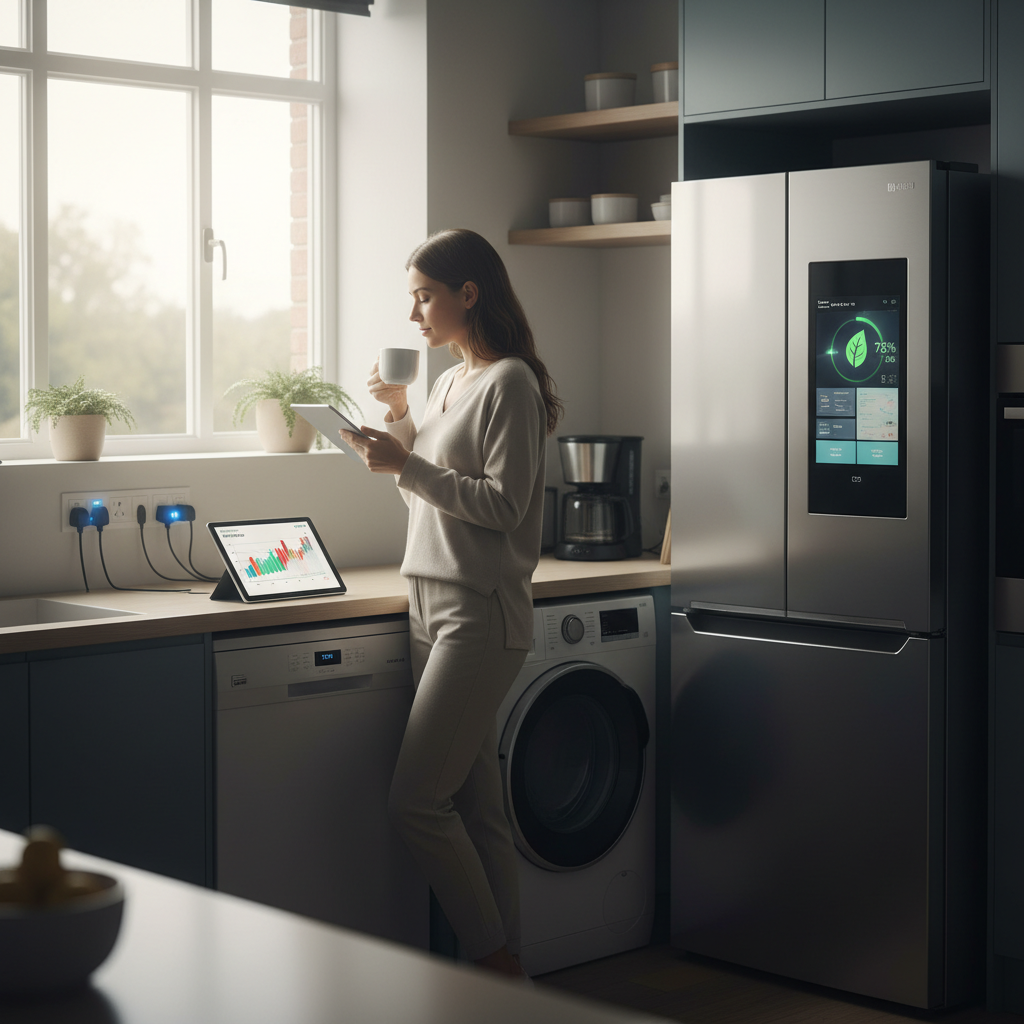
The “Smart” Revolution: Why Now?
First off, why are smart appliances and smart homes such a big deal right now? It’s not just about bragging rights (though, let’s be honest, that’s part of it!). It’s about convenience, efficiency, and, yes, saving money.
Think about it:
* **Convenience:** Imagine preheating your oven from your phone on the way home from work. Or getting a notification when your laundry is done, so you don’t have to run up and down the stairs constantly.
* **Efficiency:** Smart appliances often use less energy and water than their older counterparts. Plus, they can learn your habits and adjust accordingly.
* **Cost Savings:** Lower utility bills are a major draw. Smart thermostats, for example, can automatically adjust the temperature based on your schedule, potentially reducing your heating and cooling costs.
The industry is changing rapidly, with AI-powered appliances becoming the norm. But “smarter” doesn’t automatically mean “better”. The goal is to make your life easier and your home more efficient.
The Dark Side of Smart: Misuse and Misunderstandings
Now, let’s talk about the potential pitfalls. Smart home technology isn’t a magic bullet. In fact, some people misunderstand and misuse it, leading to frustration and wasted money.
Here are a few common mistakes I’ve seen:
* **Buying for the “Cool Factor”:** Don’t get sucked into buying gadgets just because they’re new and shiny. Ask yourself if it solves a real problem or adds genuine value to your life.
* **Ignoring Compatibility:** Not all smart devices play well together. Make sure the devices you choose can “talk” to each other, otherwise you’ll end up with a bunch of isolated gadgets, and potentially a less efficient setup.
* **Over-Reliance on Automation:** While automation is great, don’t completely cede control. Sometimes, manual adjustments are necessary, especially if your routines change.
* **Neglecting Maintenance:** Just because an appliance is smart doesn’t mean it’s maintenance-free. Regular cleaning and upkeep are still essential to ensure longevity.
Long-Term Problems and Hidden Costs
What are some long-term problems you might encounter?
* **Security Concerns:** Smart devices are connected to the internet, which means they can be vulnerable to hacking. It is important to prioritize security measures like strong passwords and regularly updated software.
* **”Phantom Load”:** Many electronics draw power even when turned off. Smart plugs can help to cut this waste.
* **Shortened Lifespan:** While it might seem counterintuitive, the added complexity of smart appliances can sometimes lead to shorter lifespans compared to older, more basic models.
* **Subscription Fees:** Some smart features require subscriptions, which can add up over time.
Smart Habits for a Smarter Home
So, how do you navigate this tech landscape and make the most of your smart home investment?
Here are some smart habits I recommend:
* **Plan Before You Buy:** Make a list of your needs and wants. Research products and read reviews. Determine what is necessary for your home and how smart devices will make your life easier.
* **Prioritize Energy Efficiency:** Look for ENERGY STAR-certified appliances. Use smart plugs to eliminate phantom loads and optimize settings to conserve energy.
* **Automate Strategically:** Use automation to simplify your routines, but don’t overdo it. Ensure the system is user-friendly and doesn’t create more work for you.
* **Regularly Update Firmware:** Keep your devices up to date with the latest software updates to ensure optimal performance and security.
* **Monitor Energy Consumption:** Use smart home apps and energy monitoring tools to track your energy usage and identify areas for improvement.
* **Learn the Manual:** Read the manual of any new appliance. This helps with proper cleaning, maintenance, and overall product knowledge.
* **Consider a Home Warranty:** To avoid unexpected repair costs, consider a home warranty plan to protect against any unexpected issues.
If you are looking for more information on the best ways to incorporate smart technology into your home, then consider visiting Josephs Well.
The Future-Ready Home: What Actually Matters
So, what about the future? What smart home features are worth investing in, and which are just gimmicks?
Here’s my take:
* **Focus on the Essentials:** Smart lighting, smart thermostats, and smart plugs are still the most impactful smart home upgrades in terms of energy savings and convenience.
* **Prioritize Interoperability:** Look for devices that work seamlessly together, regardless of the brand.
* **Embrace AI (But Cautiously):** AI-powered appliances are becoming more common. However, focus on how they enhance your daily life and improve efficiency.
* **Think Long-Term:** Choose durable, reliable products from reputable brands. Consider the lifespan of the appliance and the potential for future upgrades or replacements.
* **Sustainability is Key:** With more focus on the environment, look for appliances made with sustainable and eco-friendly materials.
The best smart home is one that blends seamlessly into your life, making things easier, more efficient, and more enjoyable. It’s not about having the latest gadget; it’s about creating a home that works *for* you, not the other way around.
FAQs: Your Smart Home Questions Answered
Here are some frequently asked questions about smart homes, answered based on my experience:
**Q: Will smart appliances actually save me money?**
**A:** Potentially, yes. Smart thermostats, lighting, and appliances with energy-saving modes can reduce your utility bills. However, savings depend on your usage habits and the specific features of the devices.
**Q: Are smart appliances difficult to set up?**
**A:** Setup varies. Some are very user-friendly, while others can be more complex. Read reviews and choose devices that are compatible with your existing smart home ecosystem, if you have one.
**Q: How long will smart appliances last?**
**A:** It depends. Appliance life expectancies vary. Maintenance is crucial. Check the manufacturer’s documentation for details.
**Q: Are smart homes secure?**
**A:** Security is essential. Use strong passwords, keep software updated, and research the security features of any smart devices before you buy them.
**Q: Do I need a smart home hub?**
**A:** Not always. Some devices work directly with Wi-Fi, while others require a hub. A hub can be helpful for consolidating control and enabling more complex automation.
**Q: How much energy do smart devices consume?**
**A:** The amount varies, but a moderately equipped smart home with 25-50 devices might use 50-150 watts continuously. This is usually 2-6% of your total household electricity usage.
**Q: Should I upgrade my old appliances to smart versions?**
**A:** Only if your old appliances are nearing the end of their lifespan or if the smart features offer significant benefits that align with your needs. Evaluate the cost-benefit before making the switch.
Final Thoughts: Smart is Good, Smart is Better
Smart home technology is here to stay, and it’s constantly evolving. The key is to approach it with a level head, a clear understanding of your needs, and a commitment to smart habits. By focusing on convenience, efficiency, and sustainability, you can create a smart home that truly enhances your life and your wallet.