It’s a Tuesday, just like any other. You’re waiting for your coffee to brew, that brief interlude before the day truly begins. Your hand, almost without conscious thought, reaches for your phone. You unlock it. A quick scan of emails. A scroll through a couple of social feeds. Maybe a peek at the news. The coffee’s ready, but that initial “quick glance” has already taken a few minutes. Sound familiar? This small, almost imperceptible habit has become a cornerstone of our daily routines. It’s a habit so ingrained, we rarely question it.
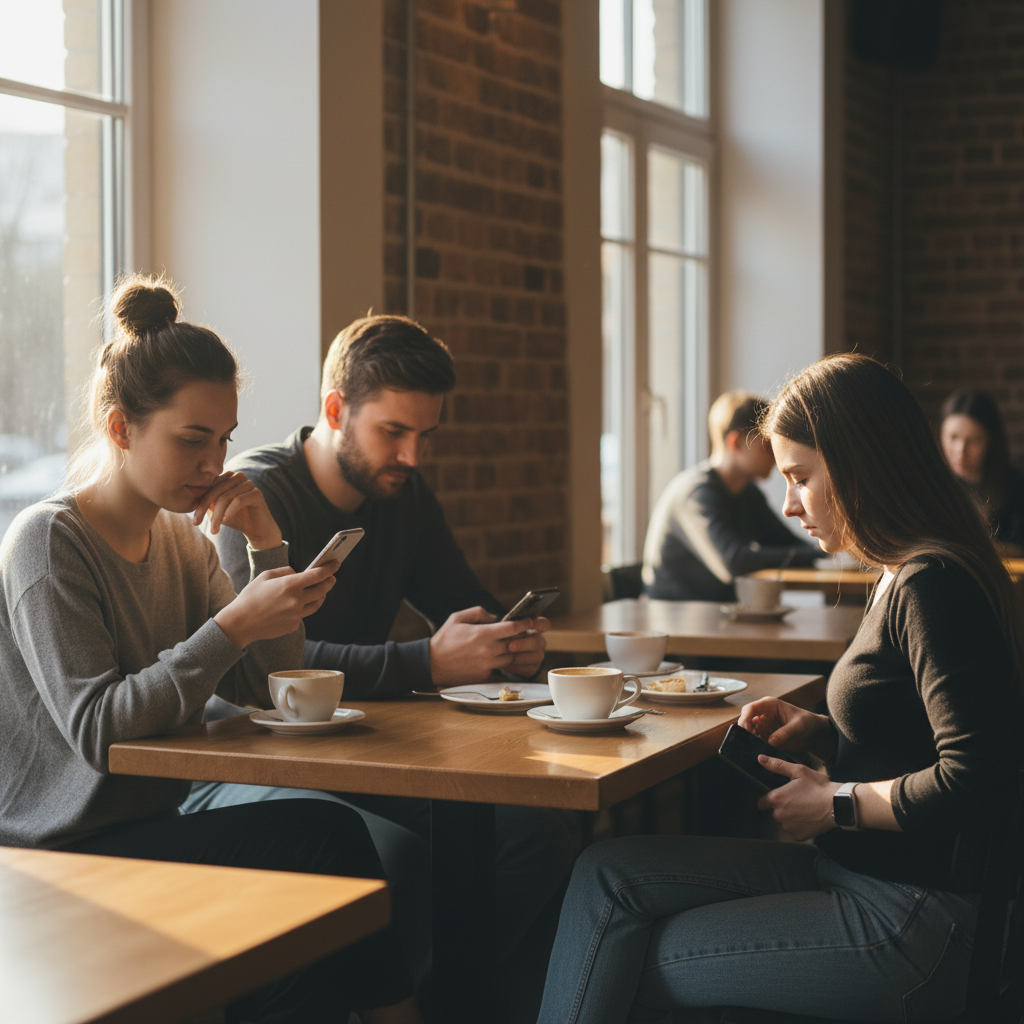
Why the “Quick Glance” Became Normal
Think back. Smartphones, once a luxury, are now essential. They’re our calendars, our communication hubs, our sources of information, and our entertainment centers. This convergence has made the phone an extension of ourselves. Over time, as apps and features have multiplied, the perceived *need* to check our phones has intensified.
Here’s how this habit became so normal:
* **Always-on Connectivity:** The constant stream of notifications, updates, and messages encourages us to check our phones frequently. The fear of missing out (FOMO) is a powerful driver.
* **Instant Gratification:** Social media, news, and games are designed to provide quick hits of dopamine, reinforcing the habit loop of checking and scrolling.
* **Convenience and Efficiency (or the Illusion of it):** We tell ourselves we’re staying informed or being productive. But those “quick glances” can often derail our focus.
In 2026, the average person spends over 5 hours a day on their smartphone. That’s a significant chunk of time, and a good portion of it is likely spent on these quick, habitual checks.
Hidden Effects: Focus, Time, and Routines
The seemingly harmless “quick glance” has some surprising consequences. It subtly reshapes our focus, our perception of time, and even the structure of our daily routines.
* **The Fragmented Mind:** Constant checking trains our brains to crave novelty and immediate rewards. This can make it harder to concentrate on longer, more demanding tasks. Research suggests that heavy smartphone use may weaken patience for slower, deeper thinking.
* **Time Distortion:** Minutes spent scrolling quickly add up. A few “quick glances” throughout the day can easily steal an hour or more of your time.
* **Routine Disruption:** The “quick glance” can hijack our routines. It can interrupt focused work sessions, derail morning rituals, and even interfere with sleep.
Common Mistakes We Repeat
Many of us are aware that our phone habits could be better, yet we keep repeating the same mistakes. Here are some of the most common ones:
* **Unnecessary Notifications:** Leaving notifications on for every app creates a constant source of distraction and interruption.
* **Phone as a Default Activity:** Reaching for the phone out of boredom or habit, rather than choosing a more mindful activity.
* **Multitasking:** Trying to do too many things at once, switching between apps and tasks constantly, which can decrease productivity.
* **Using the Phone as a Sleep Aid:** Scrolling through social media or news right before bed can interfere with sleep quality.
Simple Habit Shifts for a Better Balance
Changing any habit takes time and effort. Here are some small, realistic shifts you can try to regain control over your phone usage:
* **Notification Management:** Turn off non-essential notifications. Choose which apps truly need your immediate attention.
* **Phone-Free Zones:** Designate specific times and places where your phone is off-limits. This could be during meals, in the bedroom, or while working on a specific task.
* **Scheduled Checks:** Instead of constant checking, set specific times to review your phone. This helps you to manage the time spent on the phone more efficiently.
* **Mindful Alternatives:** When you feel the urge to reach for your phone, pause and choose a different activity. Read a book, go for a walk, or simply take a few deep breaths.
* **Embrace the “Analog Lifestyle”:** Some are embracing older technologies to reduce their reliance on phones.
Modern Relevance: Apps and Devices in 2026
Technology continues to evolve rapidly. Here’s how some of the latest developments are impacting our phone habits:
* **AI Assistants:** AI-powered assistants are becoming more integrated into our phones, offering personalized recommendations, managing our schedules, and even helping us filter information overload.
* **Focus Mode & Digital Wellbeing Features:** Most smartphones now have built-in tools to track screen time, set limits, and manage notifications. Use them.
* **Smart Home Integration:** Your phone is likely becoming the central hub for managing your smart home. This further blurs the lines between our digital and physical lives.
* **Newer, More Personalized Apps:** Apps are being created with the understanding that users are multitasking.
The trend of adopting the “analog lifestyle” is still alive, with many seeking a more balanced approach to technology. Some are switching to “dumbphones” or using older technology.
FAQ: Addressing Common Questions
Here are some frequently asked questions about phone habits:
**How much screen time is considered too much?**
>There’s no single “magic number.” It varies based on age, lifestyle, and individual needs. However, if your phone use is interfering with your work, relationships, or sleep, it’s a sign that you might need to adjust your habits.
**Are all notifications bad?**
>No. Some notifications are essential, like important messages or calendar reminders. The key is to customize your settings and turn off anything that isn’t truly necessary.
**Do screen time trackers really work?**
>They can. Screen time trackers can increase awareness of your phone habits and help you identify areas for improvement.
**Is there such a thing as phone addiction?**
>Yes. Excessive smartphone use can lead to addiction, causing sleep deprivation, increased stress, and anxiety.
**Can smartphones affect children’s brains?**
>Yes, studies show that excessive screen time in children can affect brain development and may be linked to ADHD symptoms.
**How do I break the habit of checking my phone first thing in the morning?**
>Try leaving your phone in another room overnight. Create a morning routine that doesn’t involve your phone, such as reading, exercising, or journaling.
**Is it possible to use my phone mindfully?**
>Absolutely. Mindfulness involves being present and intentional in your actions. Using your phone mindfully means being aware of how you’re using it and choosing activities that serve your goals.
**What if I need my phone for work?**
>Even if you need your phone for work, you can still set boundaries. Schedule specific times to check emails and messages. Use features like Do Not Disturb to minimize interruptions during focused work.
Finding the Balance
In 2026, our phones are here to stay. They are valuable tools. The key is to develop a healthy relationship with them. It is about understanding the triggers that lead you to open your phone, and then making small, consistent changes. It’s not about complete digital detox, but about living consciously in a digital world. It’s about making sure your phone serves *you*, and not the other way around. Consider Home Energy Efficiency in 2026: Smart Choices for a Comfortable & Sustainable Home as you try to make changes.